

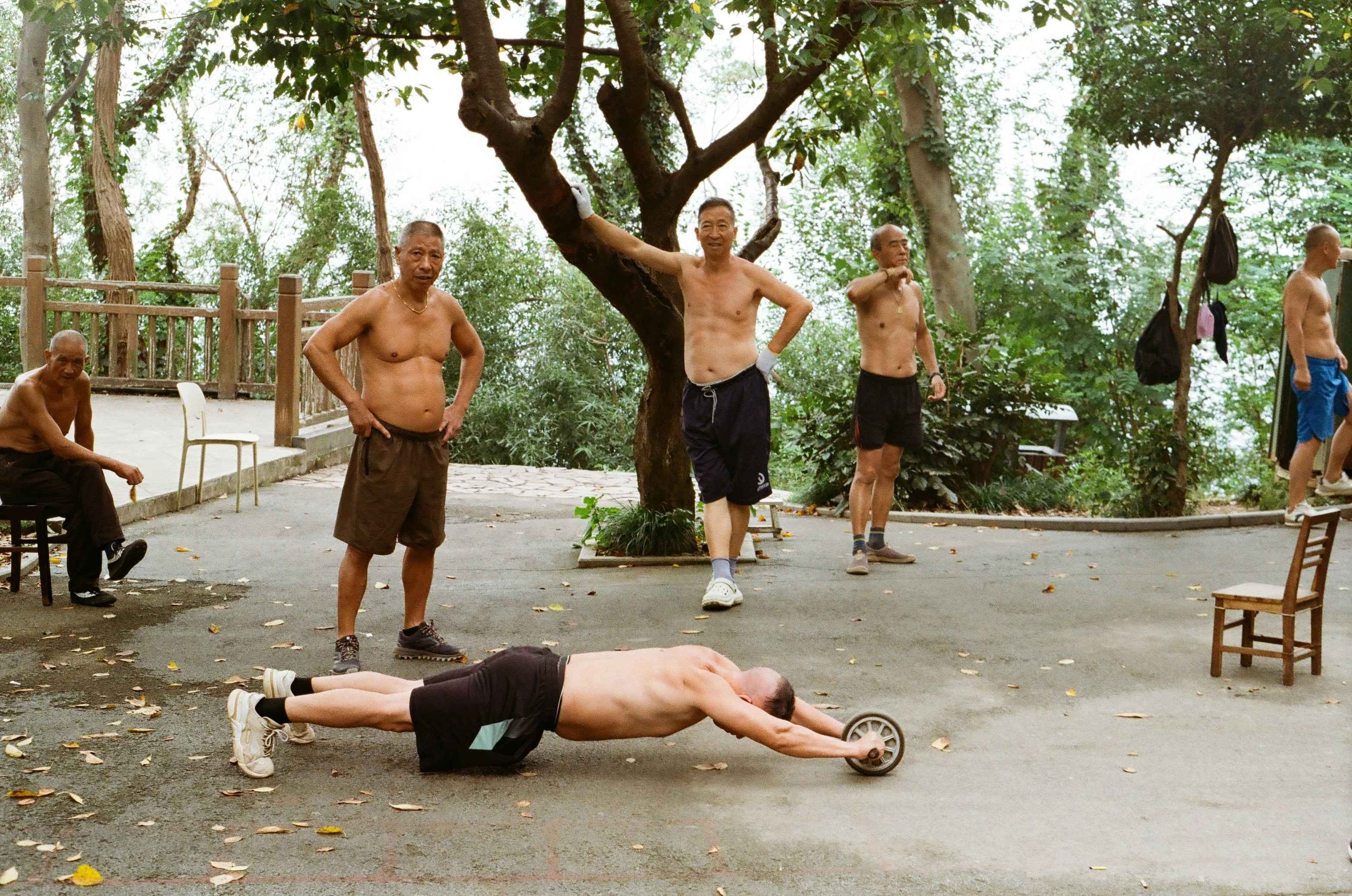
Getting older does not mean slowing down. But it means you're smarter. After reaching your 60s, regular exercise is one of the most powerful tools you have to stay independent, pain-free, and full of energyBut what poses a challenge is that many older adults remain sedentary because they don't know where to start or worry that exercise might do more harm than good.
The truth? Your body was built to move at every age. In fact, the CDC reports that physically active adults over 65 have a 30–35% lower risk of early death compared to inactive peers.
This guide covers the best exercises for seniors across four key areas: strength, balance, flexibility, and cardio with specific movements, a sample weekly plan, and everything you need to get started safely and confidently.
Why Exercise Is Essential for Seniors
There is plenty of evidence that senior people benefit from regular exercise.
According to the CDC, adults aged 65 and older who meet weekly physical activity guidelines have a 30–35% lower risk of early death compared to inactive peers.
Enhances Balance and Falls Prevention: Falls are the number one cause of injury among adults aged 65 and older. According to CDC reports, 1 out of 4 elderly Americans fall annually, and a majority of the falls are reported to cause more than 3 million emergency room visits every year. The positive bit: fall take-up can be reduced by up to 23% with specific balance exercises, as found in a Cochrane review of more than 100 studies.
Maintains Muscle Mass and Strength: The extent of muscle loss in adults does not reduce to any significant degree below the age of 30 years. The rate of muscle loss is approximately 3-5% per decade, a condition known as sarcopenia. This becomes pronounced by age 70. Investigations in the Journal of Cachexia, Sarcopenia and Muscle have determined that this tendency can be reversed through the use of resistance training 2-3 times a week enhances muscle mass and function, even in elderly people in their 80s.
Supports Heart Health: The most common cause of death in adults aged above 65 is cardiovascular disease. The American Heart Association suggests at least 150 minutes of moderate-intensity aerobic activity per week. Research indicates that the simplest activity of walking 30 minutes daily, 5 days a week, can minimize the chance of heart disease by as much as 35%.
Improves Cognition and Recollection: A groundbreaking study conducted at Harvard Medical School found that aerobic exercise enlarges the hippocampus, an area of the brain associated with memory and learning. Exercise can also decrease symptoms of depression and anxiety by up to 48, and can also decrease the possibility of developing dementia by almost 30.
Key Exercise Types Seniors Should Include
The most popular types of exercises that seniors take are.
Strength Training: Resistance training builds and maintains muscle mass, helps preserve bone density, and supports a lively metabolism. It is not necessarily about gaining weight, but about being functionally strong in daily activities.
Balance Exercises: Balance training focuses directly on the neuromuscular system to help you stand up and maintain balance. Balance training as little as 10-15 minutes 3 times a week has been found to be significantly effective in reducing the risk of falls.
Flexibility and Stretching: The loss of flexibility accelerates the aging process and leads to poor posture and diminished range of motion. Stretching helps to maintain the muscles and connective tissues flexible, enhances the blood flow to the joints, and may reduce chronic aches and pains.
Low-Impact Cardio: For seniors, walking, swimming, and cycling are preferable, as they provide cardio with circulatory and metabolic benefits while reducing injury to the knee, hip, and ankle.
Best Strength Exercises for Seniors
Strength training in the elderly is becoming quite common nowadays. While these exercises might be challenging at first, they have been proven beneficial for elders.
Chair Squats
Be in a strong, upright chair, feet 6 inches apart. Gently get yourself down as though you were sitting down, barely over the seat, and then get yourself up again.
Aim for 2–3 sets of 10–12 reps.
Benefits:
Strengthens the legs, especially their quadriceps and glutes.
Keeps joints and knees stable.
Trains the sit-to-stand movement, directly used dozens of times a day.
Wall Push-Ups
Keep at a distance of a wall, an arm. Lean your palms against the wall at the level of the chest. Bend your arms gradually and bring your chest close to the wall, then push it away.
Aim for 2–3 sets of 10–15 reps.
Benefits:
Develops strength in the chest, shoulders, and triceps.
Light on the knees, no longer to stoop on the floor.
Enhances pushing power in day-to-day activities.
Seated Dumbbell Curls
Sit in a firm chair with a light dumbbell in each hand, palms facing up. Both weights, which have been curled to an extent just above your shoulders, are squeezed at the top and then gradually raised.
Aim for 2–3 sets of 10–12 reps.
Benefits:
Makes the biceps and forearms strong.
Assists with routine chores such as carrying bags, lifting, and working on handles.
It is accessible to individuals who lack balance, as the seated position allows it.
Step-Ups
Sit in front of a low step or a stair. Raise your right foot, raise your left foot up to contact your right foot, and then step down. Alternate leading legs.
Aim for 2 sets of 8–10 reps per leg.
Benefits:
Enhances one leg strength and potency.
Assists with stair climbing and ambulation.
Plans and coordination of trains.
Best Balance Exercises for Seniors
Aside from straight training, balance exercises also fall under the best workouts for seniors. Some of the one to do for any seniors are
Single-Leg Stand
Stand near a counter or wall. Raise one foot partially off the ground and stay there for 10-30 seconds. Switch sides. Progress to this with closed eyes as a greater challenge.
Trains the stabilizing muscles of the ankle, knee, and hip directly.
Helps avoid falls by enhancing reaction and coordination.
Heel-to-Toe Walk
And put your right heel just before the toes on your left foot as though you were walking a tightrope. Take 20 steps by focusing on a point in advance. Repeat 2–3 times.
Improves dynamism and stability in gait.
Strengthens the balance (vestibular) system (inner ear).
Tai Chi
An ancient form of a combination of slow and flowing movements and deep breathing. Several systematic reviews have shown that Tai Chi reduces the risk of falls by 20-45% in patients aged 65 and older.
Light and non-strenuous movements that are safe for pretty much any fitness level.
Enhances body awareness, coordination, and mental tranquility simultaneously.
The Best Flexibility Workouts in Old Age.
Stretch 20-30 seconds, and do not bounce or push a stretch into the possibility of a low level of low-level tension.
Neck Stretch
Tilt your head so your right ear is close to your right shoulder. Hold, then switch sides. You may turn slowly to your right and left, too. Reduces tension and preserves neck range of motion.
Shoulder Rolls
Complete 5-10 circular shoulder movements forward. Relaxes the upper back and shoulders, and reverses the effects of prolonged sitting.
Hamstring Stretch
Have one leg straight, heel on the chair, and bend forward mildly at the hips until you feel the slightest stretch around the back of the thigh. Hold 20–30 seconds per side.
Cat-Cow Stretch
Switch between arching and rounding of your back and breathe deeply with each motion. May be completed sitting in a chair or by crawling on hands and knees.
Benefits:
Minimizes back pain and spinal stiffness.
Enhances spine and body position.
Improves hip and core mobility.
Light enough to perform every day, even on rest days.
Best Cardio Exercises for Seniors
Cardio for the seniors might sound difficult. But what if we tell you these are the most fun and easiest workouts, too?
Walking: One large study of 75,000 participants published in JAMA Internal Medicine found that walking 7,500 steps per day was strongly associated with reduced mortality among older adults. The health benefits are measurable even in 20-30 minutes a day, and it is one of the safest and most easily accessible ways of exercise.
Swimming: Buoyancy of the water reduces joint stress by up to 90% compared to land-based exercise. A total body zero-contact exercise that enhances cardiovascular fitness, strength, and flexibility at the same time.
Cycling: Cycling is an easy, joint-friendly cardiovascular activity that is not hard on knees and hips, whether on the stationary bike or outside. Stationary bikes do not have weather or balance issues, so they can be used at home.
Sample Workout Routine
Day | Activity | Duration |
Monday | Brisk walking + strength training (chair squats, wall push-ups, dumbbell curls) | 40 min |
Tuesday | Rest or gentle stretching (neck, shoulders, hamstrings, cat-cow) | 15–20 min |
Wednesday | Balance training (single-leg stand, heel-to-toe walk) + flexibility exercises | 35 min |
Thursday | Water aerobics or swimming | 30 min |
Friday | Light cardio (walking or cycling) + mobility exercises | 20–30 min |
Saturday | Tai Chi or yoga class | 30–45 min |
Sunday | Complete rest or light walk | As desired |
How Often Should Seniors Exercise?
According to recommendations provided by the WHO and the U.S. Department of Health and Human Services:
Aerobic Activity: 150 minutes of moderate intensity cardio activity per week (brisk walking, bike riding, swimming) spread over at least 3 days or 75 minutes of intense activity.
Strength Training: 2 or more times a week, with focus on all large body parts.
Balance Exercises: At least thrice a week for people at risk of falling.
Flexibility: It is best to stretch out daily. At least, stretch following each exercise.
Exercises Seniors Should Avoid
Jumping exercises (burpees, box jumps, jump rope): Too much load on the joints and possibility of falling.
Unsupervised heavy-weight lifting: Muscle tears, hernias, and spinal compression can occur.
Squatting with deep squats or over-twisting motions may place undue strain on the knees and compress spinal discs.
Sit-ups and crunches: May cause lower back pain and osteoporosis.
Contact sports or high-impact sports: Not suitable due to low bone density.
Safety Tips for Seniors When Exercising
Begin with slow progressions and work up gradually; do not exceed a 10% increase in duration or intensity per week.
Pay attention to good form, rather than weight or repetitions.
Hydrate yourself before, during, and after the exercise.
Use therapeutic shoes with good cushioning and that are not slippery.
Warm-up 5-10 minutes of activity and cool-down with mildly stretching exercises afterward.
Stop and/or seek medical attention instantly when you experience chest pains, dizziness, severe shortness of breath, or sharp joint pains.
Start Moving Today
The ideal workout for seniors is the one that they will perform. It could be a morning walk around the block, a chair yoga video at home, or a water aerobics class at your local pool; all that matters is that it is a consistent thing.
Your body is incredibly plastic-give it the exercise it requires, and it will pay you with a longer, fuller, freer life.
Discuss this with your doctor, choose one of these exercises, and make the first step today.
Trending Now
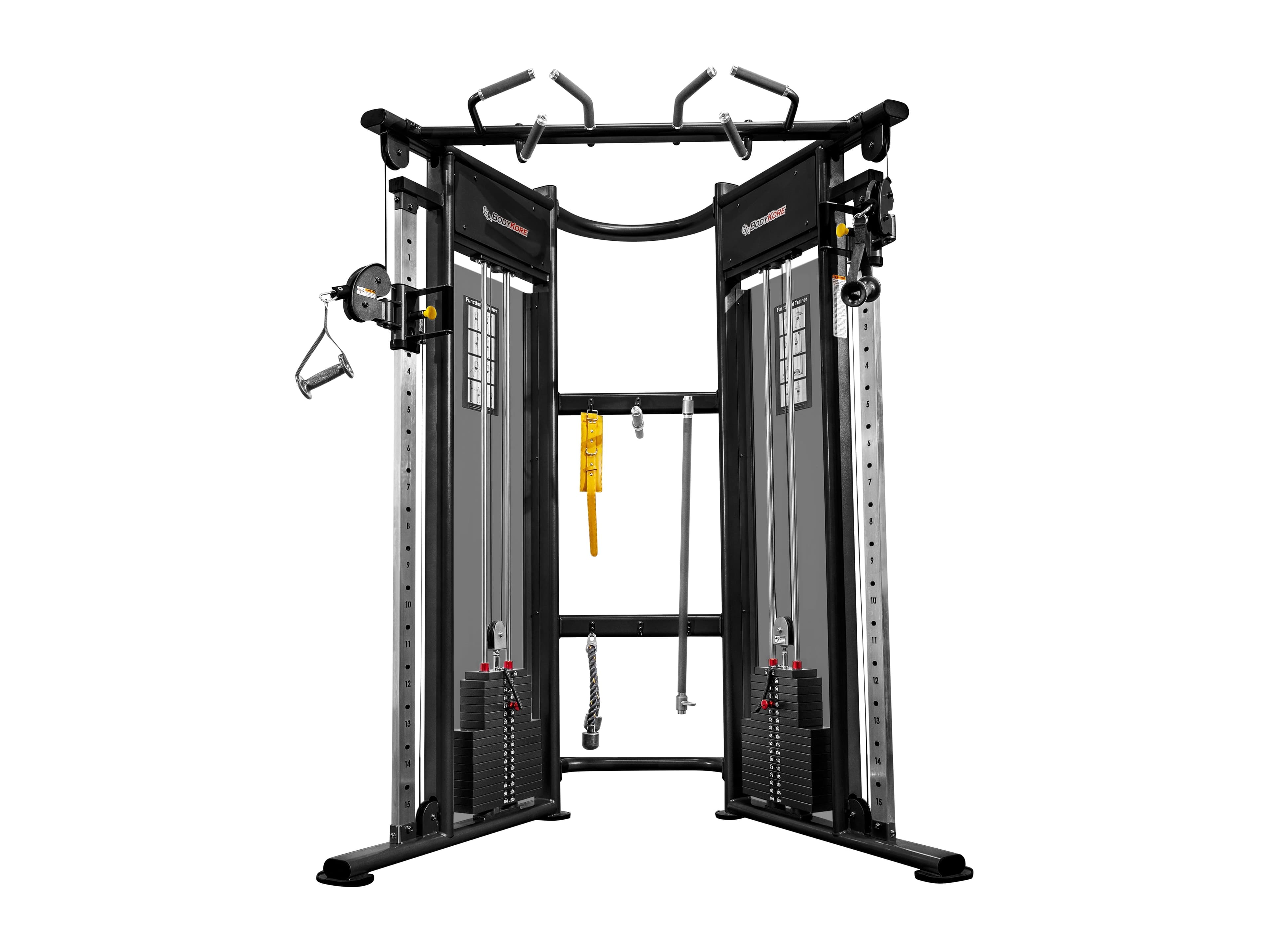
Single Pulley vs Dual Pulley Systems: Which Cable Setup Is Right for You?
Weight Stack vs Plate-Loaded Cable Machines: A Comparison
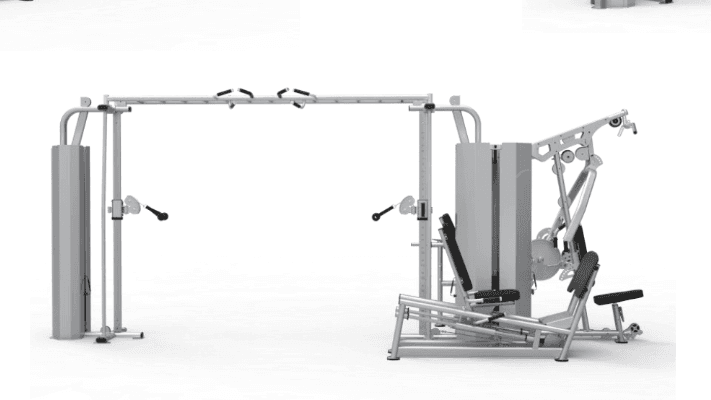
Cable Machines: The Complete Guide
Newsletter
Enter your email and be the first to get the latest blog posts, news, product launches and more from BodyKore.
Stay in the Know
Enter your email and be the first to get the latest blog posts, news, product launches and more from BodyKore.