

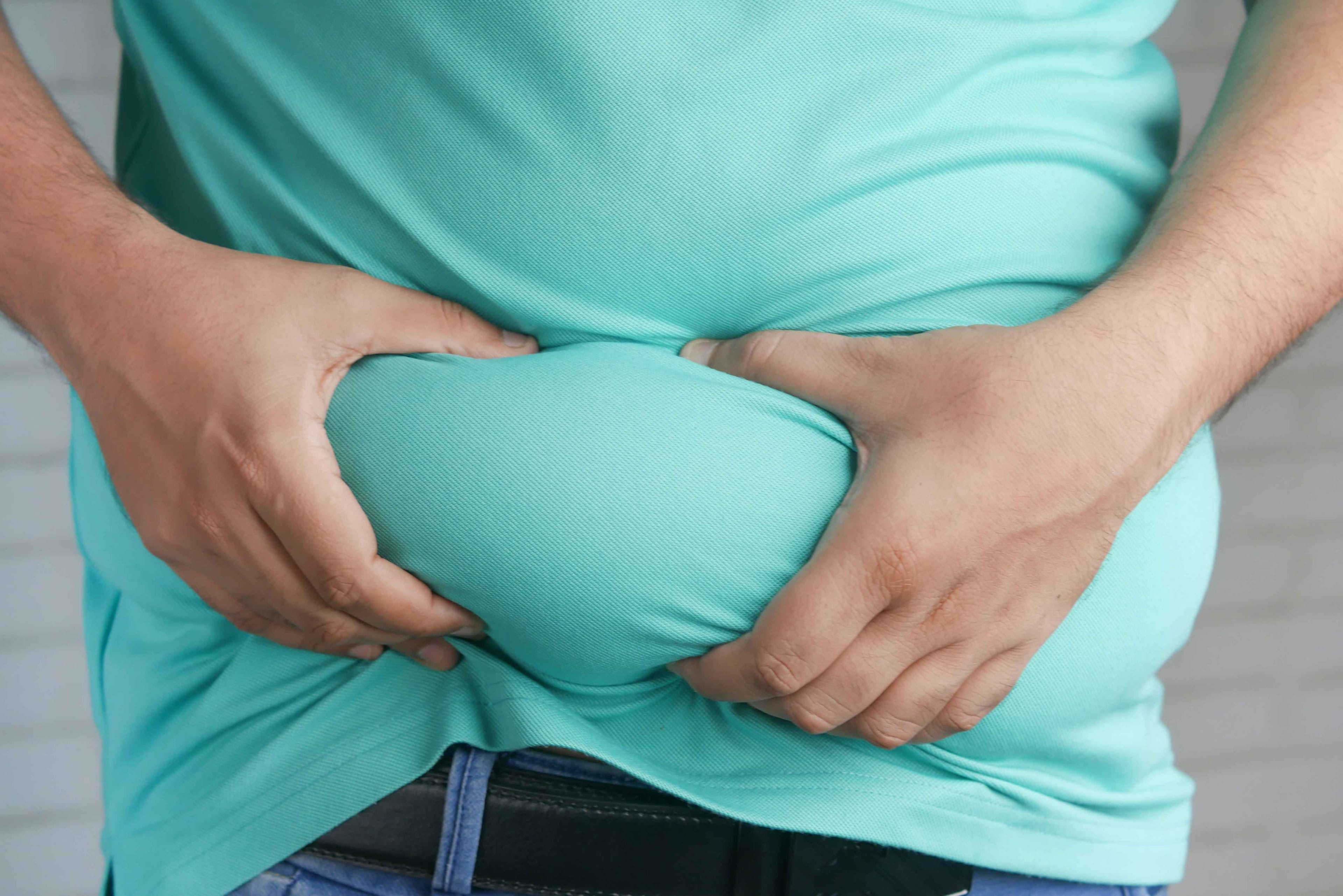
Weight loss is a spell that helps people enter the world of health and fitness. But what helps to be a better version can also be quite confusing, as in the fitness world, there are plenty of trends to help you lose weight. Yet we don't get the desired result. You have been on a diet, cardio, and you will not get the scale to move. Sound familiar?
This is what the majority of humans misunderstand about fat loss: they make it a cardio issue. And though cardio has a role to play, there exists an instrument that silently beats it to the ground in the long-term and sustainability of fat loss, and this is either just not being taken seriously or not taken seriously enough.
That tool is weight training.
Not because lifting burns the most calories per session. It doesn't. However, since resistance training alters how your body burns fat at rest, safeguards the muscle that maintains your metabolism active, and provides an environment in the body that burns fat long after you are out of the gym, hours and even days.
A 2025 study in Frontiers in Endocrinology that followed 304 men and women after resistance training confirmed that weight loss was associated with better outcomes, with much of what was lost being fat rather than muscle.
So, ladies and gentlemen, no fluff, only facts, let us guide you through the weight training program for fat loss, perfect for beginners or experienced fitness enthusiasts as well.
Can Weight Training Really Help You Lose Weight?
The brief answer is yes. Weight training can cause a series of physiological responses to make your body more effective and a long-term fat-burning machine Whenever an individual considers losing weight, the first activity that comes to mind is running or cycling. It is no wonder aerobic exercise offers more calories per session. Nevertheless, an emerging body of evidence shows that resistance training offers a range of fat-loss benefits that cardio alone might not.
A meta-analysis of 58 studies concluded that body fat percentage and body fat mass decrease by 1.46% and 0.55 kg, respectively, with resistance training alone, which is equal to the percentage change with aerobic training. At the same time, the body composition is enhanced through muscle preservation.
The fact that many of us are still unaware is that weight loss and fat loss are the same. Your scale does not tell you what you are losing, be it fat or muscle. In the case of weight training, moderate calorie deficit has always shown better body composition results (less fat, more muscle) than dieting alone, or diet and cardio.
Key Stats:
Remission of body fat decreased by 1.46% (58-study meta-analysis) through resistance training.
average fat mass lost per resistance training intervention (the negative is -0.55kg).
Visceral fat reduction, standardized mean difference -0.49.
2-5% of resting metabolic rate due to muscle gain.
How Muscle Burns More Calories Than Fat?
Many of us do not realise that muscle tissue is much more metabolically expensive to rest than fat tissue. Just by existing, skeletal muscles consume about 10-15 kilocalories per kilogram per day. Comparatively, fat tissue absorbs 3, 6 kcal/kg/day, two to four times less.
Skeletal muscle burns about 10-15kcal\kg\day at rest. Fat tissue burns only 3-6 kcal\kg\day. Preserve or gain 3-4 kg of lean mass, and you burn an extra 60–100 calories daily doing nothing, compounding to 22,000–36,000 extra kilocalories per year, equivalent to 3–5 kg of body fat burned passively.
The Role of Metabolism in Weight Loss
Resting metabolic rate (RMR) accounts for 60-70% of total daily energy expenditure. Exercise contributes 15-30%. Raising RMR has a far greater long-term fat loss impact than any single workout.
Diet-only weight loss suppresses RMR in two ways: adaptive thermogenesis and lean mass loss. Research shows that approximately 25% of the weight lost through caloric restriction alone comes from lean body mass. Every kilogram of muscle lost slows metabolism, making further fat loss harder and weight regain easier.
Resistance training counters both mechanisms by signaling the body to preserve lean tissue under a calorie deficit, protecting RMR, and sustaining fat loss long-term.
Afterburn Effect (EPOC) Explained
After intense resistance training, your body burns calories recovering, replenishing ATP, repairing muscle fibers, clearing lactate, and restoring temperature. Study found that circuit-style resistance training and HIIT both produced at least 168 extra kilocalories burned in the 14 hours post-exercise. At high intensities, EPOC can sustain elevated metabolism for up to 48 hours.
EPOC represents 6–15% of the total net calorie cost of your workout. Over two sessions per week for a year, that accumulates to roughly 6,000–9,000 extra kilocalories, equivalent to 0.8–1.2 kg of body fat from afterburn alone.
Benefits of Weight Training for Weight Loss
The benefits of fat loss from resistance training are cumulative. Each effect is significant on its own. The combination of the two creates a metabolic environment that makes sustainable fat loss a much more practical goal than diet or cardio alone.
Maintains Lean Muscle in Fat Burning: This muscle depletion slows your metabolism, putting you at risk of regaining weight and, obviously, negating the results you are working hard to attain.
Improves Body Composition: The ratio of fat mass to lean mass(body composition) is a far more valuable health measure than body weight. Fat weight loss, not muscle weight loss, was higher as a percentage with aerobic exercise than with no exercise.
Increases Endurance and Strength: Strength training has been shown to support all physical activities, in addition to its direct metabolic effects. The more endowed you are with legs, the less hard the daily movement becomes, and you can exercise more and do non-exercise thermogenesis (NEAT), the amount of energy used by moving the body every day without exercising.
Supports Hormonal Balance: The combination of short 60-90-second rest intervals followed by heavy compound lifts triggers a high level of acute growth hormone secretion from the pituitary glands, which directly supports fat oxidation and muscle repair. At the same time, lifting leads to the depletion of muscular glycogen, which increases insulin sensitivity post-exercise and reduces the amount of circulating insulin that stimulates the storage of abdominal fat. Moderate-intense resistance exercise has been established to normalize cortisols, improve the ratio of testosterone to cortisol, and cause a hormone atmosphere actively oriented to burn fat as opposed to store it.
Weight Training vs Cardio for Weight Loss
Factor | Weight Training | Cardio |
Calories burned per session | 200–600 kcal/hr | 300–700+ kcal/hr |
Post-exercise burn (EPOC) | Elevated 14–48 hours | Returns to baseline in 15–30 min |
Lean muscle preservation | Strong | Weak |
Fat mass reduction | −1.46% body fat; −0.55 kg | −0.52 kg per 30 min/week |
Resting metabolic rate | Raised 2–5% | Minimal lasting change |
Visceral fat reduction | Strong (SMD −0.49) | Strong at high volumes |
Beginner Weight Training Plan for Fat Loss
A full body programme on 3 days per week with rest days in between sessions is encouraged by research studies as the best frequency training programme for beginners to use, as they have time to develop the neural and muscle adaptations required to lose fat, but have sufficient rest hours.
Full-Body Workout Routine (3 Days a Week)
Day A: Full Body Compound Focus (~45–55 minutes)
Exercise | Sets | Reps | Rest |
Barbell or Goblet Squat | 3 | 10–12 | 75 sec |
Romanian Deadlift | 3 | 10 | 75 sec |
Dumbbell Bench Press | 3 | 10–12 | 60 sec |
Cable or Dumbbell Row | 3 | 10–12 | 60 sec |
Plank | 3 | 30–45 sec | 45 sec |
Day B: Full Body Functional Focus (~45–55 minutes)
Exercise | Sets | Reps | Rest |
Walking Lunges | 3 | 12/leg | 60 sec |
Hip Thrust (Glute Bridge) | 3 | 12–15 | 60 sec |
Dumbbell Shoulder Press | 3 | 10–12 | 60 sec |
Lat Pulldown | 3 | 10–12 | 60 sec |
Kettlebell Swing | 3 | 15 | 45 sec |
Sample Weekly Training Schedule
Mon | Tue | Wed | Thu | Fri | Sat | Sun |
Day A | Rest / Walk | Day B | Rest / Cardio | Day A | Active Rest | Full Rest |
Recommended Sets and Reps for Fat Loss
Goal | Sets | Reps | Rest Period |
Fat Loss (Primary) | 3–4 | 8–15 | 60–90 sec |
Strength + Fat Loss | 4–5 | 5–8 | 2–3 min |
Muscular Endurance | 2–3 | 15–20 | 30–45 sec |
Power / EPOC Max | 4–6 | 4–6 | 90–120 sec |
Nutrition Tips to Support Weight Training and Fat Loss
Protein Intake: A meta-analysis found that each 0.1 g/kg/day increase in protein intake led to subjects maintaining an additional -0.1 kg of lean mass during weight loss, a cumulative effect that directly protects RMR and body composition in the long run.
Calorie Deficit: The Scandinavian Journal of Medicine and Science in Sports study validated this argument, stating that the muscle-preserving effects of resistance training were negated by deficits of more than 500 kcal/day, thereby restricting energy for muscle protein synthesis. The moderate deficits permit training to provide its complete metabolic reward.
Post- and Pre-Workout Nutrition: A meal containing 25–40 g of protein and 30–60 g of carbohydrates provides the fuel for optimal training performance and begins stimulating muscle protein synthesis before the session ends. Post-exercise (within 2 hours), 20-40g of fast-digesting protein (whey, eggs, lean meat) and moderate carbohydrates increase the window of muscle protein synthesis when the muscle is most responsive to amino acids and, therefore, needs them most.
Hydration: Already, dehydration of 1-2% significantly decreases strength performance and training volume. The amount of water per kilogram of body weight supported by the research ranges from 35 to 45 ml per day, as well as 400-600 ml of water before training.
Common Mistakes When Using Weight Training for Weight Loss
Lifting too easy: Those that do not push your limits in the last 2-3 reps do not generate an adequate metabolic load or muscle preservation stimulus. The stimulus supported by research must be trained at 65-85% of 1RM to significantly stimulate hormonal and metabolic processes that lead to fat loss.
Recovery is a factor that should not be ignored: Muscle protein synthesis and EPOC occur during rest, not during exercise. Working the same muscle groups on the same day or less than 7 hours of sleep, averaged over less than 7 hours, significantly affects both processes and increases cortisol, blocking fat loss.
Lacking progress tracking, i.e., not recording weight, sets, and rep counts, progressive overload will be an educated guess and will level off. Exercise adherence studies indicate that tracking is among the most effective behaviour habits in terms of fat loss in the long term.
How Long Until You See Results?
Weeks 1- 2: The neural adaptations prevail. Speedy strength gains by enhanced motor recruitment. Minimal visible fat loss. Glycogen-bound water, which increases in weight by 1-2kg, is normal on a temporary basis.
Weeks 3-6: Weeks 3-6 are when the loss of fat is visible. Normal deficit of 0.5 1 kg fat loss per week. The level of energy and sleep quality is usually enhanced.
Weeks 7-12: Changes in clear body composition. The study supports a 25kg total fat reduction over 12 weeks of regular workouts and a moderate deficit.
36 months and above: A 2024 CDC/Prevent Chronic Disease systematic review identified that programs sustained for 6 months or more yielded the most significant and persistent fat-loss effects. The greatest predictor of long-term success is consistency.
Who Should Try Weight Training for Weight Loss?
Beginner: Bodies respond best to new resistance stimuli. Even two or three sessions per week at relatively light intensity lead to considerable changes in body composition in 6-12 weeks.
Women: Resistance training improves body composition, metabolic rate, and visible fat loss. The bulking worry has not been proven true; women simply do not have the testosterone levels necessary to gain the bulk of muscle mass without years of conscious practice.
Individuals above 30 years old: Sarcopenia onset at 30 years old, and declines RMR at 1-2%per decade. The best interventions to overcome this are resistance training, long-term investment in metabolic health, and fat loss.
People on plateaus: the majority of plateaus result from metabolic adaptation due to lean mass loss during prolonged dieting. Resistance training can reintroduce a muscle-preservation stimulus and increase RMR towards baseline, which cannot be achieved with cardio or stricter dieting.
The Bottom Line
Resistance training lowers body fat, maintains lean muscle mass that keeps your metabolism active, enhances your body composition more than the scale would indicate, and positively alters hormonal balance that dictates fat storage. The results are consistent across dozens of studies involving thousands of participants. Whether you are a beginner or you are going through a plateau, weight training is the key ingredient in sustainable fat loss.
Trending Now
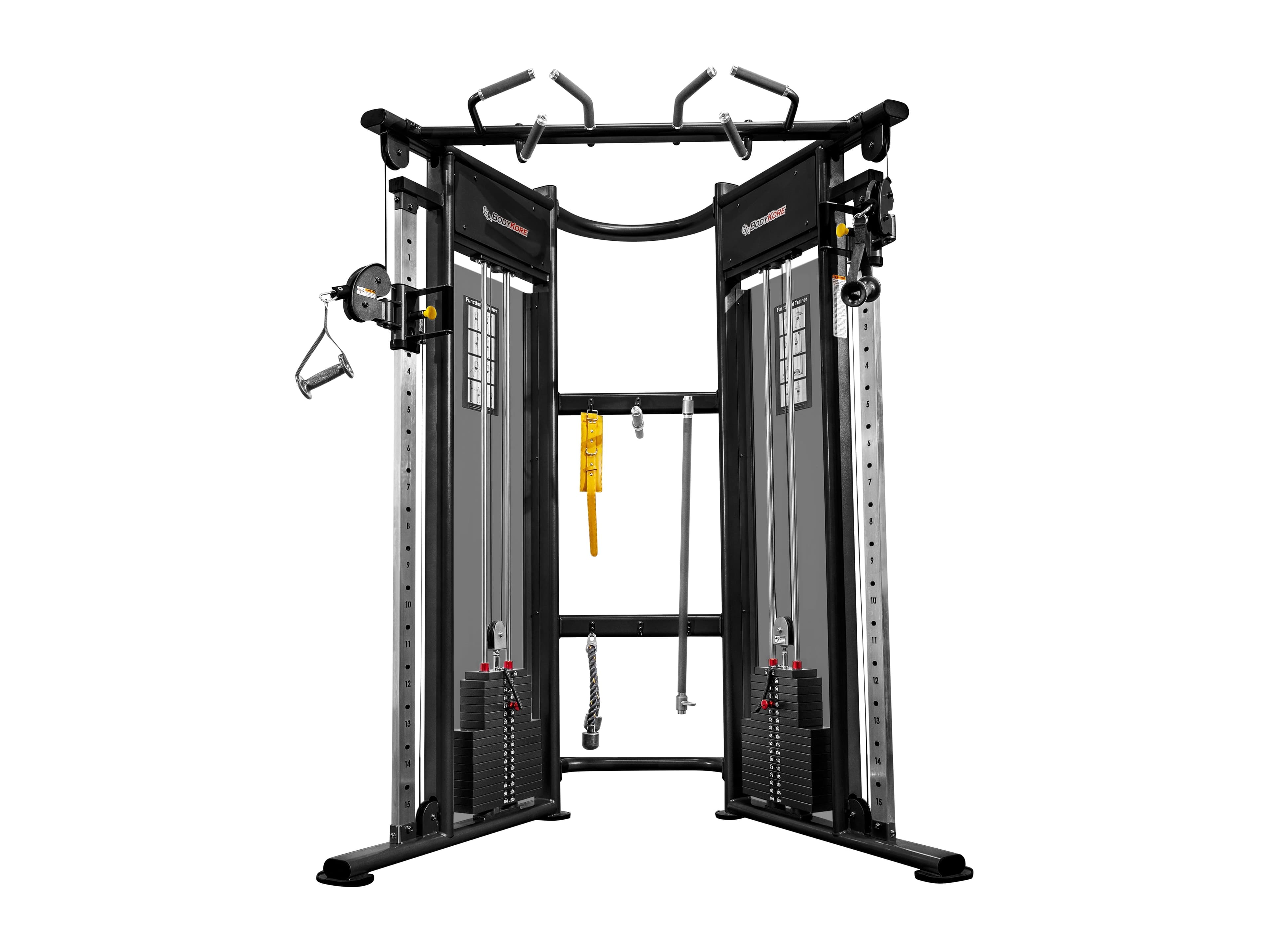
Single Pulley vs Dual Pulley Systems: Which Cable Setup Is Right for You?
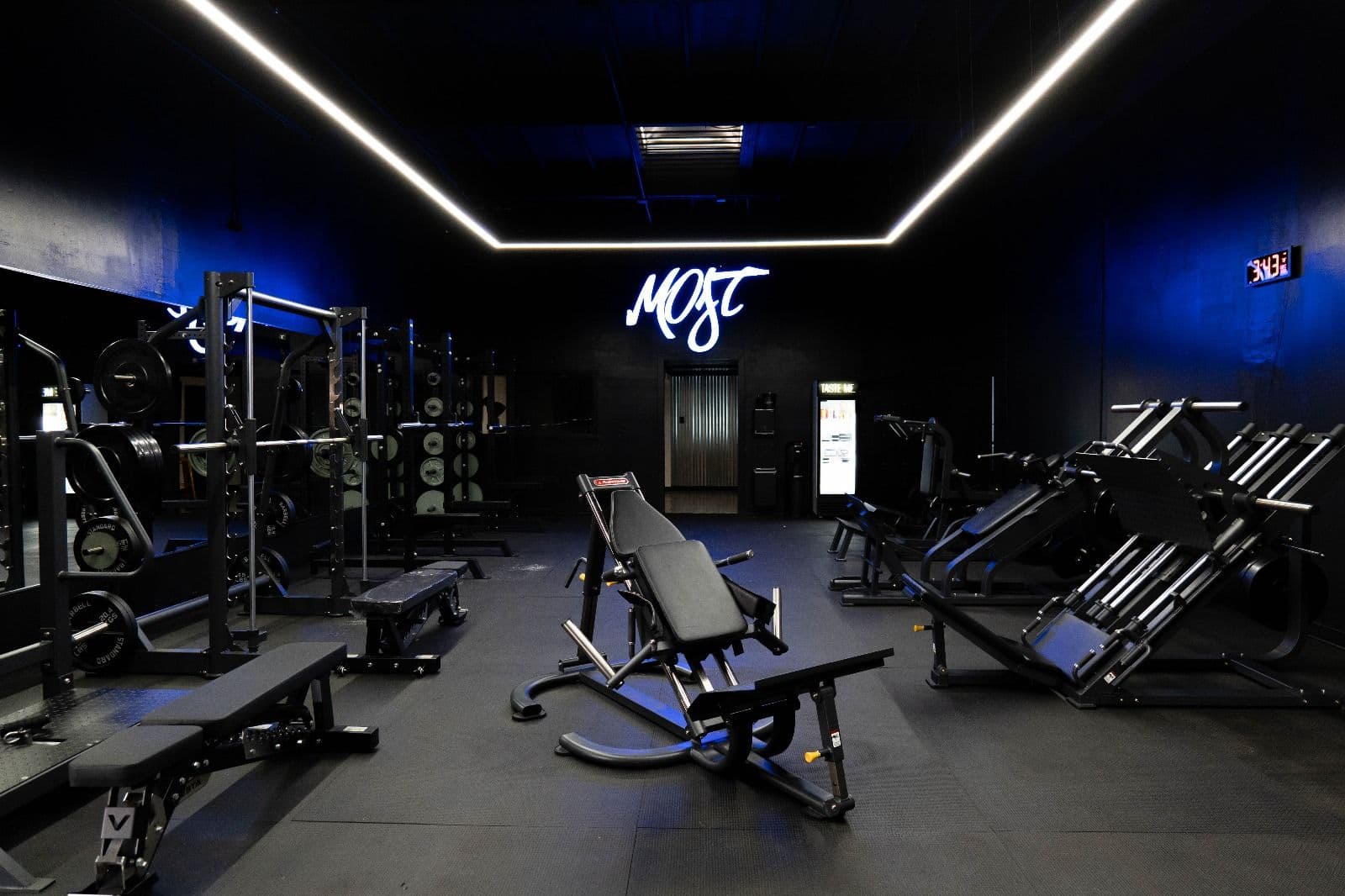
Weight Stack vs Plate-Loaded Cable Machines: A Comparison
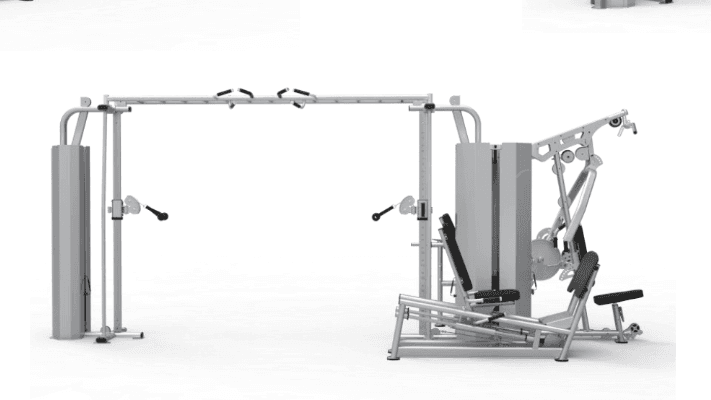
Cable Machines: The Complete Guide
Newsletter
Enter your email and be the first to get the latest blog posts, news, product launches and more from BodyKore.
Stay in the Know
Enter your email and be the first to get the latest blog posts, news, product launches and more from BodyKore.