

Building a strong, muscular back isn’t just about aesthetics. And having a good, strong back is not only about the cosmetic appeal, it is also an important aspect of your overall strength, posture and performance in almost all gym workouts. Back machines are not as good as free weights, but they provide a safer, more controlled means of isolating your specific muscles, such as your lats, traps, rhomboids and erector spinae.
They are ideal for those who are new to correct form, and those experienced lifters who need to work towards hypertrophy without straining the lower back. Pulling and rowing, but also extension and isolating machines, are the right machines that can ensure that your workout becomes better, more efficient, and more enjoyable.
We will use this guide to discuss the top 10 back machines that can assist you in gaining serious muscle and building a powerful back.
Best Back Machines You’ll Find in Most Gyms
In gyms, there are many types of back machines, which are all meant to work on the particular muscles and also build strength in you effectively.
Whether you are looking to broaden your lats, fill out your mid-back or make your lower spine stronger, there is a tool to suit your purpose, whether it is a cable setup, plate-loaded or selectorized machine.
We will consider the 10 most popular back machines that you will probably come across and discuss how each of them can increase your gains.
Lat Pulldown Machine – Widen Your Back, Strengthen Lats and Biceps
The lat pulldown is an exercise that is used to construct a wide, V-shaped back by directly targeting the latissimus dorsi and using the biceps, teres major, rear delts, and forearms as secondary muscles.
Multi-purpose Outer lats are highlighted with a wide overhand grip, creating the appearance of wingshape, and lower lats are addressed with a narrow underhand grip, driving the bicep into action. Maintain a slight backward position (10-15 degrees) and pull the bar up to the upper chest.
Also, keep your core tight and do not swing or pull behind the neck because you use your shoulders. Slow and controlled eccentric movements make the most out of time under tension and hypertrophy.
Variations: Wide-grip, narrow-grip, neutral-grip, single-arm pulldown.
Popular errors: application of momentum, partial range of motion, and over-fainting backwards.
Training trick: 3–4 groups of 812 reps; switch grips every week to engage other lat fibers.
Seated Row Machine – Build Mid-Back Thickness
The rhomboids, middle trapezius, rear delts, and lats are the major muscles that are exercised with seated rows. The machine provides continuous tension, which makes it possible to isolate better compared to free-weight rows. Use the elbows to push and not your hands, and squeeze the shoulder blades together at the top. Keep your chest straight so as not to recruit arms over back muscles. The exercise is very good in terms of thickening the mid back and correcting posture flaws that have been caused by rounded shoulders.
Precautions: Wide-grip, close-grip, V-bar attachment.
Mistakes: Bend over backwards, push and pull with your arms.
Training suggestions: 3-4 groups of 10-15 reps; focus on 2-3 seconds contraction break.
T-Bar Row Machine – Add Density and Strength
T-bar row stabilizes mid and lower traps, rhomboids, lats and erector spinae. The chest-supported T-bar rows minimize lower back strain, but the traditional versions make use of core stabilizers. Concentrate on a gentle pull, pulling in the shoulder blades at the top, and lowering. Density is enhanced with heavy loads, whereas hypertrophy and endurance are enhanced with the light high-rep sets.
Options: Wide/narrow grip, chest-supported/free-standing.
Incidents of error: Swinging the torso, jerking the bar, and overloading without proper form.
Training tip: 3-4 sets of 8-12 reps heavy, then 2 sets of 12-15 light in hypertrophy.
Smith Machine Rows – Safe, Controlled Barbell Rowing
Smith machine rows are known to stabilize the bar with the ability to lift heavy weights safely compared to free-barbell rows. They train lats, traps, rhomboids and biceps that do not require as much core. Torso angle should be about 45 degrees, with the elbows slightly bent back, and the scapula pulled back as much as possible. Avoid motion; slow motion is the best to give maximum back work.
Modifications: overhand, underhand, wide vs narrow grip.
Mistakes that are common: Swinging torso, momentum, and incomplete contraction.
Training tip: 3–4 sets of 1012 reps at controlled tempo.
Assisted Pull-Up Machine – Build Pulling Strength Safely
Assisted pull-ups also enable the novices to slowly build the lats, traps, biceps and teres major. Full-range pull-ups help lose body weight. Grip changes the muscle emphasis: wide grip, lats; neutral, mid-back; underhand, biceps. One should start by gradually giving less help towards unassisted pull-ups.
The typical errors include leg-swinging, half-repetitions and bouncy movement.
Training hint: 3 sets of between 8-12 repetitions; reduce support gradually to develop full pull-up strength.
Chest-Supported Row Machine – Isolate Mid-Back Safely
With the chest-supported rows, the lower back is not involved, and the rhomboids, traps, rear delts and lats are engaged wholly. Delays and breaths at the top enable the most muscle recruitment. It is good when one has lower back problems or when one wants to enhance the mind-muscle coordination of the mid-back.
Alternative: Various handles: wide, neutral, close.
Errors in common: Leaning astern, jerking the levers.
Training hint: 3-4 groups of 12-15 repetitions; focus on contraction and slow eccentricity.
Cable Machine – Versatile for Complete Back Development
Cable machines offer tension and numerous exercises of the back: face pulls, straight-arm pulldowns, single-arm row, and so on. Face pulls are good workouts to strengthen the rear delts and traps, enhance posture and shoulder stability, whereas straight-arm pulldowns make the lats isolated. Unilateral cable work fixes the imbalance, and the height of the pulley is adjustable to varying angles.
Bad habits: One will lock out elbows, improper form, and reps with momentum.
Training tip: Alternate high-rep (1520) with moderate-rep (812); keep the tension on.
Reverse Pec Deck – Target Rear Delts and Traps
The reverse pec deck separates rear delts, traps and rhomboids, usually overlooked in pressing programs. Lean against the pad with your chest and move the handles backwards in a broad circle. Wait at the point of contraction to achieve optimum contraction. It aids in correct posture and stabilizes the dominant upper body-pressing training, and tightens the stabilizing muscles of the shoulders.
Errors: Momentum, shrugged shoulders, half range.
Training: 3-4 groups of 12-15 slow reps; mind-muscle connection.
Hyperextension / Back Extension Bench – Strengthen Lower Back
Hyperextensions aid erector spinae, glutes, and hamstrings to enhance posture, stability of the spine, and injury prevention. Pad position with the pivot point on the hips, with the spine in a neutral position without overextension. It is challenging when weight is added gradually.
Improper methods: Too much arching, rapid repetitions and momentum.
Training: 3 sessions of 1220 contractions; hold a peak position of 12s of maximum contraction.
Iso-Lateral Row Machine- Supports balanced back development.
Iso-lateral rows train one side at a time, which enhances symmetry in lats, traps and rear delts. It is ideal in terms of rectifying asymmetries; both sides need to be worked equally and controlled.
Mistakes: Side dominance, leaning of torso.
Exercise hint: 3-5 series of 10-12 reps; concentrate on controlled and even reps on each side.
Conclusion
Back machines are an awesome piece of equipment for creating a great, broad and thick back securely and justifiably. Through exercising certain muscles such as the lats, traps, rhomboids, rear delts and lower back, you can achieve the highest growth in the least time possible and also reduce the risk of an injury. By combining various machines in a strategic manner, the back is well developed, imbalance is rectified, and general strength and posture are improved.
Get serious and build the muscle on your back. Go to your gym and test these best machines, or visit BodyKore to discuss them, get recommendations on the equipment, and plan a back workout program that will ensure you get the most.
Trending Now
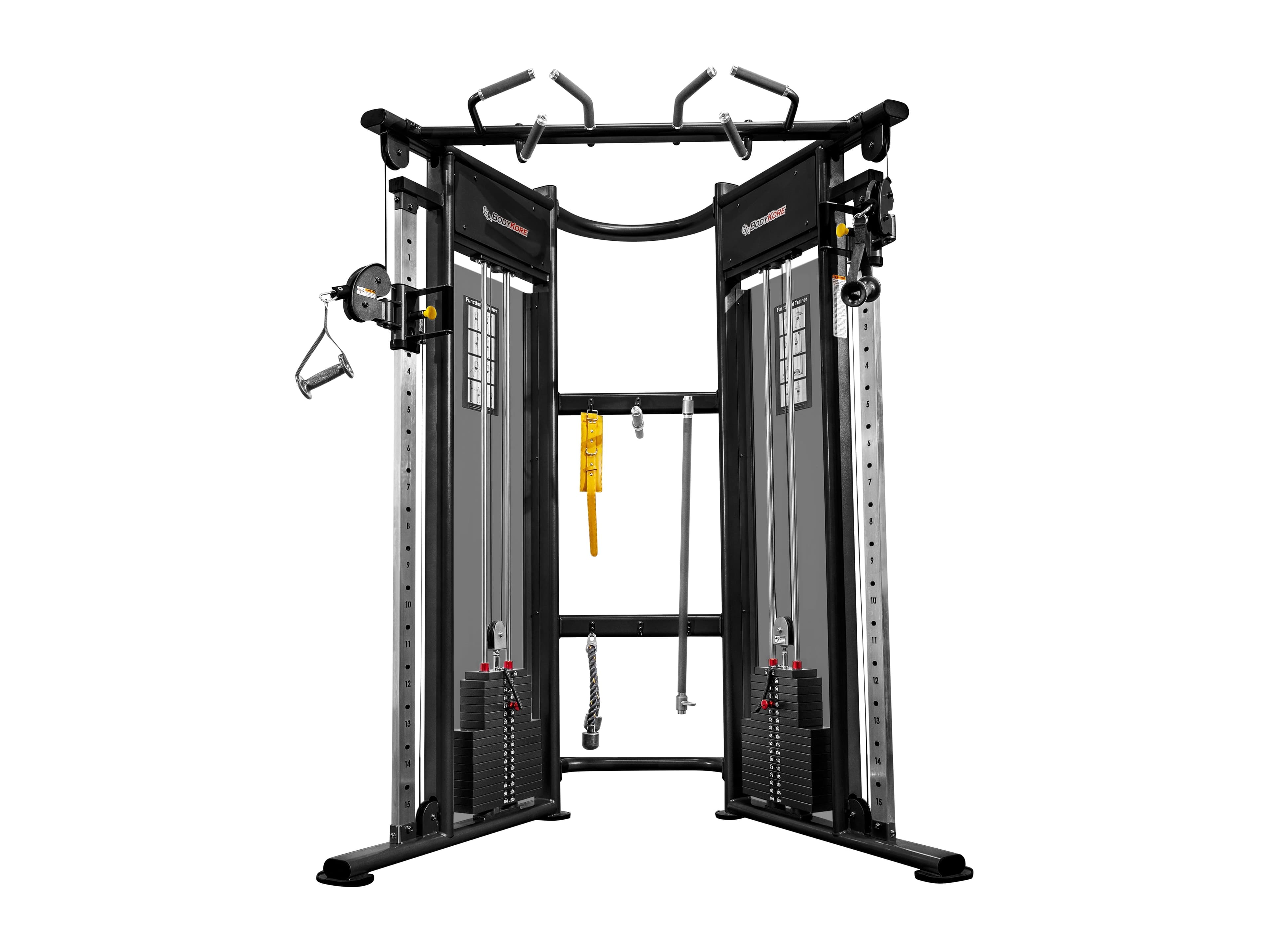
Single Pulley vs Dual Pulley Systems: Which Cable Setup Is Right for You?
Weight Stack vs Plate-Loaded Cable Machines: A Comparison
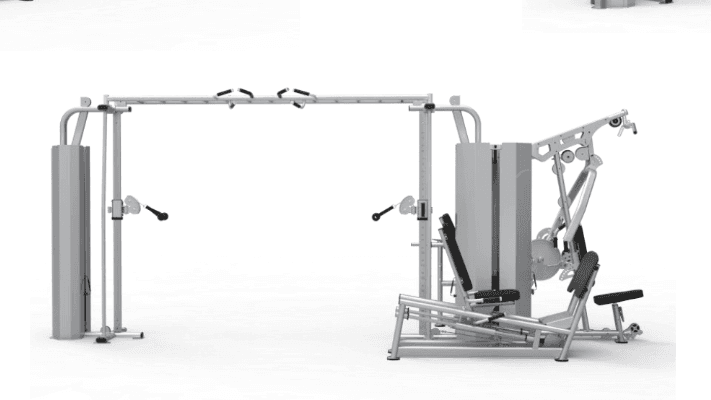
Cable Machines: The Complete Guide
Newsletter
Enter your email and be the first to get the latest blog posts, news, product launches and more from BodyKore.
Stay in the Know
Enter your email and be the first to get the latest blog posts, news, product launches and more from BodyKore.