

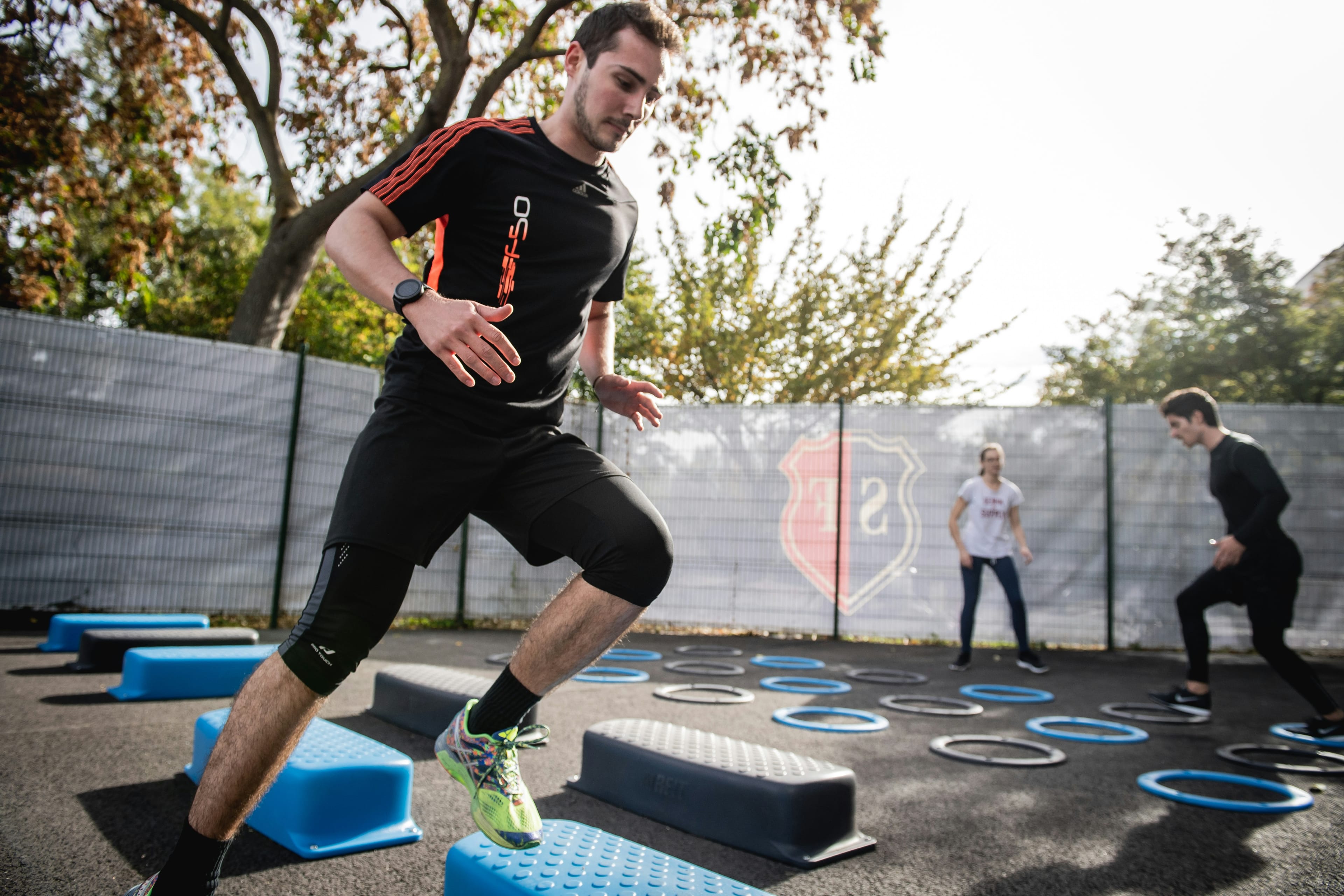
It is not hard to notice the distinction in just about any gym. On the one hand, lifters are on the way to strength, muscle, and a well-known after-workout burn. On the other hand, cardio faithful are racking up miles, endurance, sweat, and calories. There are two methods, both good, but oddly out of touch.
Fitness culture, somewhere along the way, made people believe they had to choose between being strong and cardio, since the body is half-and-half. Endurance-based athletes reach their limit, tire more easily, and often struggle with stubborn fat or sore muscles. Movement slows, motivation decreases, and training becomes harder than it needs to be.
This is where the hybrid model sneakily makes the difference. A combination of structured strength training and Zone 2 cardio creates a system that simultaneously promotes muscle development, endurance, fat loss, and recovery.
Zone 2 might not seem very impressive; it seems almost too simple, yet that slow and controlled exercise is precisely what makes the body more efficient, resilient, and metabolically adaptable. Combine it with smarter lifting, and exercises become easier. Energy stabilizes. Recovery speeds up. Fitness is not only intense but sustainable.
And the moment when this balance clicks, the training will cease to feel like a struggle and become a progression once again. That is where it becomes interesting.
What Is Zone 2 Cardio?
Zone 2 Cardio is an aerobic workout that focuses on a specific heart rate range, usually 60-70% of your maximum heart rate. This is an intermediate intensity that is expected to last for long periods, usually 30-90 minutes or more, without fatigue.
The overall aim of the Zone 2 training is to enhance cardiovascular health, aerobic endurance, and fat-burning capacity. Physiologically, Zone 2 exercise helps strengthen the heart by increasing the volume of stroke (the amount of blood pumped with each beat) and the density of mitochondria in muscle cells, thereby increasing energy production within the cells.
Heart Rate Zone Concept
Zone 1: Recovery zone, very light (approximately 50 to 60% maximum HR) zone.
Zone 2: light to moderate, aerobic zone (~60-70% max HR)
Zone 3: Moderate to high, tempo zone (~70-80 % max HR)
Zone 4: High, anaerobic zone (approximately, 80-90 % max HR)
Zone 5: Maximum effort (>90% max HR)
Features of Zone 2 Cardio
Sustainable pace: You can do it for 30-90+ minutes without getting exhausted.
Talk test: You ought to talk in complete sentences, but not sing without any problem.
Primary energy source: Fat provides the foundation for energy, enabling the body to burn it efficiently.
The Science-Backed Benefits of Zone 2 Training
Moderate-intensity aerobic exercise, or Zone 2 training, involves working at 55–75% of your maximum heart rate. In the way that you will be working out and comfortably holding a conversation as well. This is because at this rate, your body uses fat as its primary source of energy, and as a result, training becomes less complicated.
Mitochondrial Adaptations
When you do 45-90 minute sessions 3-4 times a week, it is beneficial because it helps your cells develop and enhance mitochondria. It is the energy producers that make your body more efficient in energy production.
Research demonstrates that within only six weeks, mitochondrial size can increase by 55%, the activity of essential enzymes can increase by 44%, and extended programs can further enhance your body's ability to use fat as energy.
Performance Enhancements
Zone 2 helps increase VO₂max by 5-15% in 8-12 weeks. Further, it increases capillary density and stroke volume and improves metabolic flexibility. Studies show the Zone 2 exercise allows your body to alternate between fat and carbohydrate metabolism during mixed efforts.
Following the 80/20 polarized model, where 80% of training volume is Zone 2, to build endurance effectively while keeping overtraining at bay.
Why Strength Training Alone Is Not Enough
Strength training is essential for muscle development, bone density, and functional power. Although heavy lifting or organized resistance exercise increases muscle size and anaerobic capacity, it has little or no effect on the heart's efficiency or the body's ability to sustain a prolonged workload. It may be counterproductive over time, leading to lower recovery rates, increased fatigue buildup, and performance or fat-loss plateaus.
This limitation is supported by much research. Like the recent research by the University of Jyväskylä, Finland, the study found that participants who engaged in resistance training alone for 12 weeks showed an increase in muscle strength (15-20 %) with little significant increase in aerobic capacity (VO₂max).
Conversely, the combination of even moderate aerobic exercise and strength training had beneficial cardiovascular and muscular results. Likewise, experiments revealed that resistance-only models do not induce capillary growth or mitochondrial adaptations in skeletal muscle, thereby restricting endurance and metabolic capacity in the long term.
Why Zone 2 Cardio Alone Is Also Not Enough
Zone 2 cardio will develop a great aerobic base, a stronger heart, and higher fat metabolism, but when it is the only activity, the other areas of performance will not be well developed. Over time, only aerobic training may result in loss of muscle mass, strength, and a decrease in resting metabolic rate, particularly when resistance training is overlooked.
Higher-intensity efforts may also take longer to recover from, since the neuromuscular system is not conditioned to work with heavy loads.
The Hybrid Training Model Explained
The hybrid training model is to be used to integrate Zone 2 cardio with engineered strength training to form an enhanced, high-performance equilibrium. Instead of prioritizing one over the other, this method aims to leverage the physiological advantages of both and develop adaptations that neither can manage on its own.
What Hybrid Training Is
Concurrent training, also known as hybrid training, involves combining aerobic and anaerobic training programs. The idea is not too complicated: preserve or increase muscle strength and size while simultaneously improving cardiovascular efficiency, fat burning, and recovery. It is not about combining two different workouts at random, but about structuring training to increase adaptation while reducing interference and fatigue.
Physiological Synergy
Hybrid training used properly will produce a synergistic effect between the cardiovascular and muscle systems:
Aerobic Component (Zone 2): Develops mitochondrial density, capillary development, and fat burning. Enhances the inter-set and inter-session recovery through improving oxygenation and metabolic efficiency.
Strength Component: Increases muscle mass, neuromuscular coordination, and enhances bone strength. It also increases your resting metabolism, so fat loss is not followed by lean loss.
Combined Effect: Studies supporting this indicate that concurrent training can enhance VO2 max by 10-15 % in 8-12 weeks and, at the same time, improve muscle strength by 10-20 %. In other words, it can bring both endurance and power gains into a unified system.
Why Zone 2 Is Ideal for Hybrid Programs
Zone 2 cardio is ideal to use alongside strength training, as it is low-intensity and not taxing. It does not burden the central nervous system as much as HIIT or all-out cardio and does not interfere with heavy lifting sessions. This allows:
Increased speed of recovery between strength sessions.
The ability to train repeatedly, thus making it easier to sustain.
Increased burning of fats without damaging muscle growth.
For most gym-goers, hybrid training delivers real results across several areas: greater stamina, more muscle mass, improved body image, and more productive rest.
How to Structure Weekly Hybrid Training for Maximum Results?
Day | Strength Training Focus | Zone 2 Cardio | Duration / Notes | Key Data / Adaptation Focus |
Monday | Upper Body (Push: Chest, Shoulders, Triceps) | 20–30 min | 45–60 min total | Muscle hypertrophy: 10–15% increase in strength over 8–12 weeks |
Tuesday | Lower Body (Legs: Quads, Hamstrings, Glutes) | Zone 2 30–45 min | Moderate-intensity walk, cycling, or row | Capillary density + mitochondrial improvements (~15–20% increase over 8–12 weeks) |
Wednesday | Rest / Active Recovery | Optional 20 min light Zone 2 | Focus on mobility, stretching | Supports recovery, reduces DOMS, maintains fat oxidation |
Thursday | Full Body Strength / Compound Focus | 20 min Zone 2 | Squats, deadlifts, presses | Strength gains and improved oxygen utilization |
Friday | Upper Body (Pull: Back, Biceps) | Zone 2 30 min | Moderate steady-state | Endurance and fat oxidation improvements |
Saturday | Lower Body / Functional Strength | 20–30 min Zone 2 | Lighter weights, high reps, functional moves | Supports muscular endurance and cardiovascular efficiency |
Sunday | Rest / Optional Light Zone 2 | 20–30 min | Walk, bike, or swim | Recovery, metabolic flexibility, low stress |
How Long Should Zone 2 Sessions Be for Maximum Benefit?
The optimal length of Zone 2 training is based on the purpose of training, experience, and the total amount of training per week. Beginners should not work for more than 20 to 30 minutes per session to stimulate aerobic fitness without overfatiguing themselves. Most intermediate and advanced trainees target a range of 30-60 minutes per session, 35 times per week, and 120-300 minutes of Zone 2 each week.
The maximum session duration of up to 90 minutes may enhance mitochondrial density and fat oxidation, whereas adequate recovery and nutrition are essential. It is better to be consistent than to be lengthy; more frequent, short sessions usually yield better results than rare, long ones.
In the case of hybrid athletes, it is necessary to improve the aerobic capacity without decreasing the strength; thus, it is essential to balance the Volume of Zone 2 with lifting days.
Common Beginner Mistakes in Hybrid Training and How to Avoid Them
Understanding these common pitfalls and how to navigate them is the first step toward improving the benefits of hybrid training while staying safe and consistent.
Going Too Hard in Zone 2
Error: Zone 2 is similar to HIIT and should be run at or above 70.
Avoidance: SPE: Heart rate monitors or the talk test- should be capable of speaking in complete sentences.
Neglecting Recovery
Error: Zone 2 immediately before and after vigorous lifting with no rest.
Avoidance: Schedule Zone 2 on more light-lifting days or as separate sessions.
Overloading Strength Work
Error: Excessive sets or intense training during the inclusion of Zone 2 and fatigue, and plateaus.
Avoidance: Use 3-5 sets per session and concentrate on compound lifts; please allow at least 48 hours between muscle groups.
To set Progressive Overload aside.
Error: The same weights and Zone 2 and intensity each week.
Avoidance: Increase the weights, reps, or Zone 2 time every week to induce adaptation.
Water Dehydration and Malnutrition.
Error: The inability to fuel correctly as per the dual aerobic and strength training needs.
Avoidance: Consume more protein to enhance muscle recovery, consume moderate carbohydrates before and after physical exercise, and drink plenty of water.
Who Should Follow Hybrid Training and Who Should Modify It
Ideal Candidates:
The people who desire to be strong, have endurance, and at the same time, lose fat.
Sportsmen who must maintain or build muscle.
Anything and everyone who wants to be fit in the long run and is not too exhausted.
Who Should Modify:
Newcomers who are very unfit start with shorter Zone 2 workouts and light weight training; progressively escalate.
Problems with recovery or fatigue in athletes either slow down the rate or intensity of the training to avoid overtraining.
People were focused on either maximal power or hypertrophy, keeping Zone 2 light and limiting it to 1-2 bouts/week.
Hybrid training is versatile; the intensity, time, and frequency can be adjusted according to the objectives, rest, and level of experience, so that everyone can gain without losing.
Conclusion
Fusion training, a blend of Zone 2 running and managed strength training, offers a well-balanced, effective, and sustainable approach to fitness. Begin with small, manageable Zone 2 sessions, gradually increase the weight, and tune to your body. The gains are silent but strong.
Ready to take your fitness to the next level?
Check out BodyKore here and start building a smarter, stronger, and more resilient body today.
Trending Now
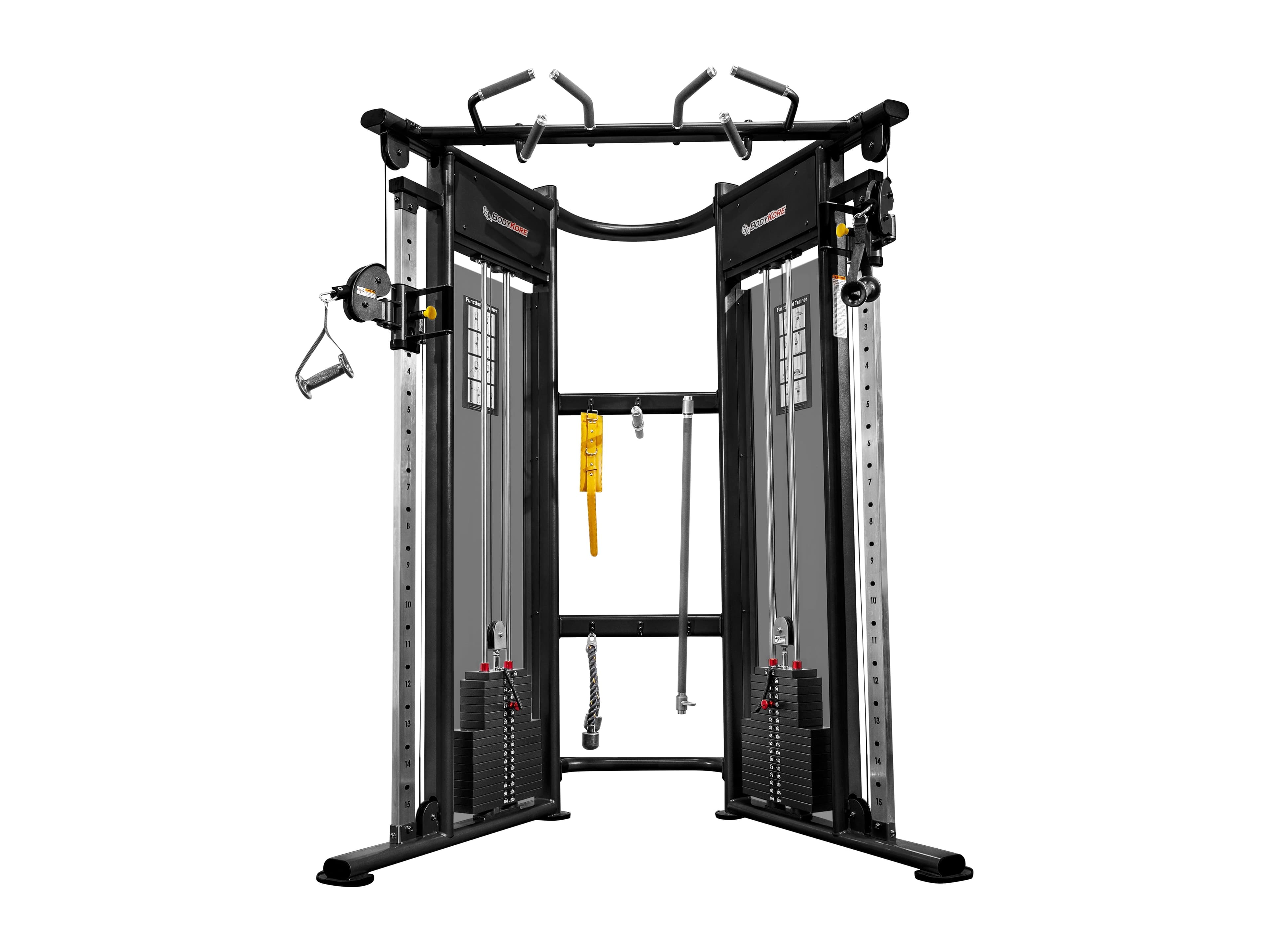
Single Pulley vs Dual Pulley Systems: Which Cable Setup Is Right for You?
Weight Stack vs Plate-Loaded Cable Machines: A Comparison
Cable Machines: The Complete Guide
Newsletter
Enter your email and be the first to get the latest blog posts, news, product launches and more from BodyKore.
Stay in the Know
Enter your email and be the first to get the latest blog posts, news, product launches and more from BodyKore.