

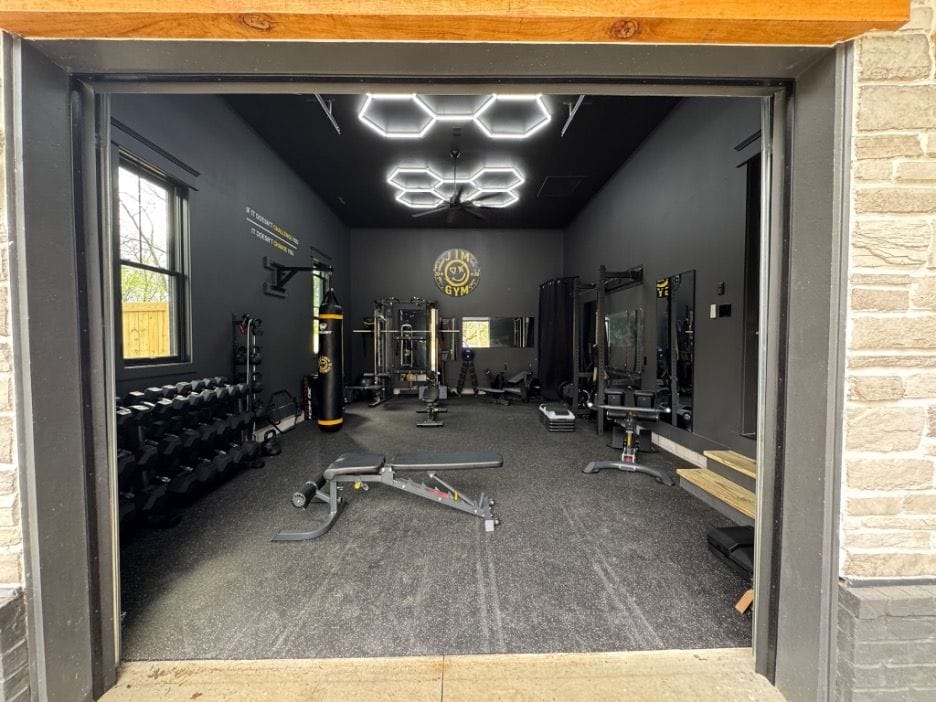
The foundation beneath your gym absorbs years of impact, stress, and moisture, which can silently damage the structure. Gyms hold some of the heaviest and most vibration-intensive equipment found in commercial settings, making them especially prone to wear and tear beneath the surface. If these signs go unnoticed, they can eventually lead to significant structural problems, including the need for urgent foundation repair and basement waterproofing. While most gym owners focus on equipment upgrades and memberships, understanding the impact of weight on the building's concrete foundation can reduce your major expenses in the long run. Let's explore how exactly this happens and what you can do about it.
Why Your Gym’s Foundation Deserves Attention
Your gym’s foundation is the structural backbone of your entire facility. In high-traffic, high-load environments like fitness centers, this backbone is constantly under stress. Ignoring the integrity of the foundation doesn't just risk causing building damage; it can compromise user safety, disrupt operations, and drastically reduce property value over time.
The Impact of Heavy Gym Equipment on Concrete Foundations
Concrete floors in gyms experience heightened stress due to static loads and dynamic forces. Here's how heavy machines and constant activity affect the foundation beneath.
Repetitive Impact and Static Loads
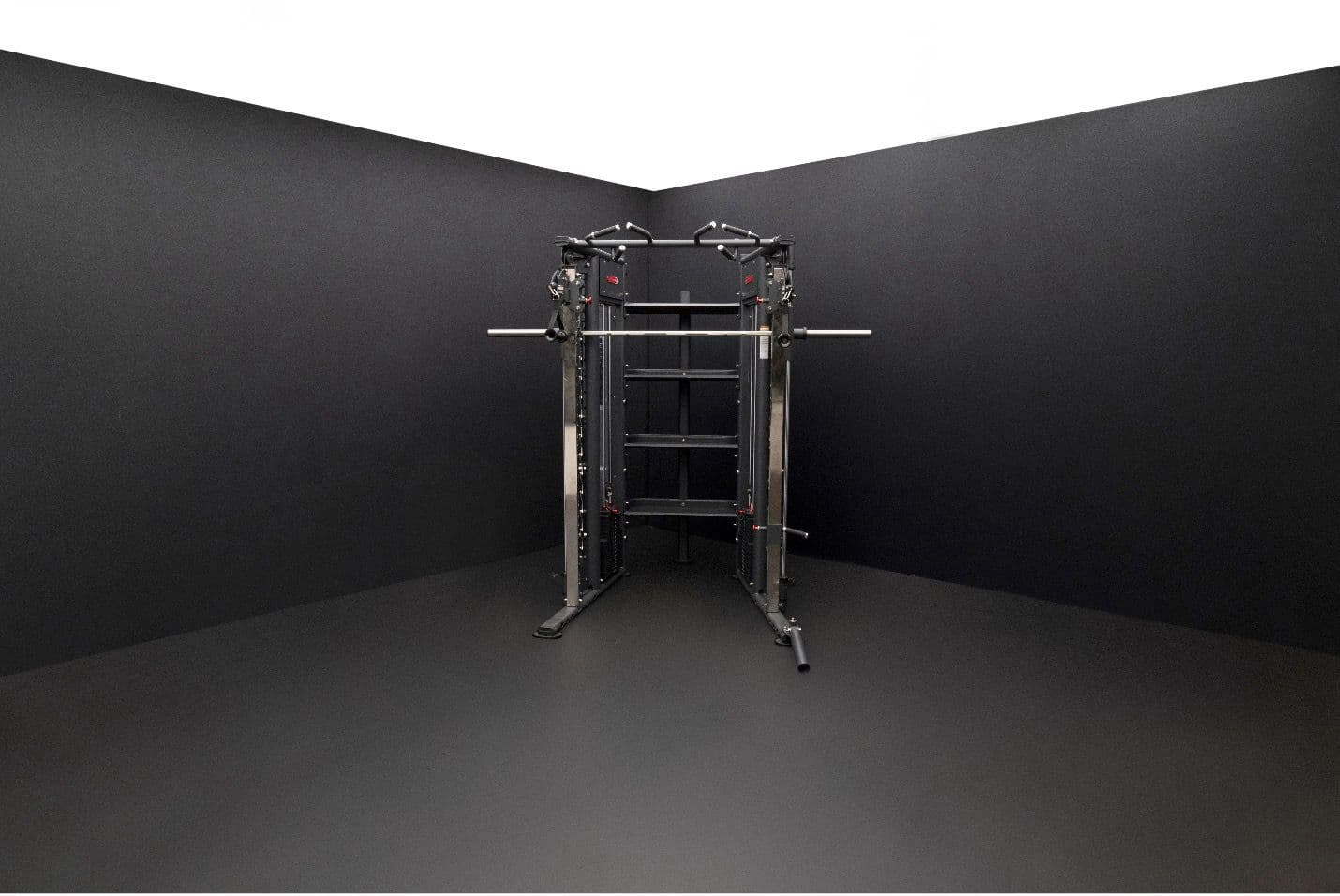
Heavy gym equipment, especially weight racks, squat machines, and leg presses, applies continuous pressure on specific areas of your foundation. When gym members drop barbells or kettlebells, even on padded floors, the impact reverberates through the concrete. Over time, this causes microfractures and hairline cracks that slowly widen. Concrete has tremendous compressive strength but little elasticity, so repeated force can potentially impact its strength and degrade its integrity.
Uneven Weight Distribution
If your gym layout concentrates heavy machines in one area, that section of the foundation experiences more load than the others. Uneven loading increases the risk of foundation settlement or slab shifting, especially in buildings constructed over expansive clay soil or poorly compacted soil. This imbalance may result in visible sloping, equipment wobbling, or cracked tiles and flooring.
Moisture and Foundation Deterioration
Gyms are naturally humid spaces. Sweat, showers, cleaning, and humidity from the HVAC system provide a multitude of opportunities for moisture intrusion. If you are in a basement or below grade, this will only compound your problems. Moisture can lead to decay and contribute to mold and mildew growth.
Common Foundation Issues in Gyms
Understanding common problems helps you identify issues early and seek solutions before they escalate and get worse.
Cracked Slabs and Hairline Fractures
Cracking in your slab or visible damage on your concrete surface may be the first indication of stress. Hairline fractures may not seem like a big issue, but they often indicate settlement or movement of the foundation. Larger cracks can allow water ingress, increase pest risks, and cause the floor to become uneven, affecting gym operations and safety.
Sinking or Uneven Floors
If you have noticed that there is a slight dip or a slope in certain areas of your gym or fitness studio, you may be dealing with some foundation settlement. This can result in trip hazards and other equipment stability concerns. Even subtle variations in slope can cause treadmills and bikes to lean and cause equipment malfunction or bad injuries.
Water Intrusion and Mold
Basement gyms or gyms over high water tables often face moisture issues. Cracks in the foundation can allow moisture to intrude and create musty smells, visible mold, and unsafe, slippery floors. Possible mold exposure can have a profound effect on the health of gym members and staff.
Why Foundation Repair Shouldn’t Be Delayed
Foundation problems can worsen over time and become harder to repair the longer they are ignored. Minor cracks can expand, structural shifts can become permanent, and water damage can be quick and widespread. Updating issues sooner rather than later, and remedying them with foundation repairs, can also keep your restoration costs down in the future. In extreme cases, leaving the issue too long can also lead to partial shutdowns to fix damages, which would otherwise require rebuilding the entire foundation. Additionally, insurance claims may become complicated if property damage is tied to neglected structural issues. Repairing your issues is always going to be more cost-effective.
The Role of Basement Waterproofing in Preventing Damage
Water management and control are critical if your gym has lower levels or high humidity conditions. Waterproofing is not specifically for basements of someone's home; it can also be highly relevant for commercial fitness facilities.
Interior vs. External Waterproofing
Interior waterproofing refers to sealants and proper drainage systems that redirect water from the inside of the foundation towards sump pumps or drains. Exterior waterproofing means that water is kept away from the foundation to a sufficient extent, including sealing the foundation walls and improving the exterior drainage. Depending on your gym's structure, interior and exterior waterproofing may be necessary to ensure long-term dryness and avoid water damage.
Benefits of Waterproofing for Commercial Gyms
Waterproofing provides the following benefits:
Prevents mold and mildew buildup
Protects equipment from corrosion or moisture-related failure
Improves air quality
Maximizes structures lifespan
Even if flooding or leaks are not an existing issue, investing in basement waterproofing
can drastically improve your gym’s resilience.
How to Maintain and Protect Your Gym’s Foundation
There are many proactive maintenance actions that you can take as a gym owner to avoid long-term damage. Here are ways to protect your concrete foundation:
Proper Equipment Placement and Load Distribution
Ensure that aerobic and heavy machines are evenly distributed throughout the gym facility as much as possible, versus packing all machines in one location. Use shock-absorbing mats or rubberized flooring to reduce vibration impact from heavy machines. Do not directly place heavy machines and equipment over previously cracked or repaired cracks or joints.
Schedule Regular Structural Inspections
Hire a foundation specialist to inspect the gym at least once every 12 months. Annual structural inspections provide the opportunity to find out if there are repairs required to address any problems quickly, so you can reduce repair costs in the long run.
Monitor Moisture and Drainage
Service your HVAC units, ventilation, dehumidifiers, and continually check and find leaks in plumbing that drip on exterior surfaces. Do regular checks for moisture in high-humidity spaces, as well as checking for water pooling near the foundation of the gym. If moisture is a consistent issue, install dehumidifiers in areas where humidity is consistently high.
When to Call a Foundation Repair Specialist
Knowing when to seek professional help is key. While minor cracks can be monitored, the following signs should prompt immediate action:
Persistent or widening cracks in the floors or walls
Uneven or sagging floors
Musty odors or visible water damage
Equipment instability not caused by mechanical issues
A qualified specialist can assess the condition of your foundation and recommend solutions such as slab lifting, crack sealing, or reinforcement techniques.
Final Thoughts
Caring about your commercial or private gym does not end at customer retention or ongoing maintenance and sanitation of your exercise equipment. It starts from the ground up. Understanding how heavy equipment affects your foundation over time gives you the knowledge to take preventive steps and avoid costly disruptions. By investing in periodic inspections, timely foundation repair, and proper basement waterproofing, you can ensure your facility stays safe, strong, and fully functional, no matter how much weight gets lifted.
Trending Now
Single Pulley vs Dual Pulley Systems: Which Cable Setup Is Right for You?
Weight Stack vs Plate-Loaded Cable Machines: A Comparison
Cable Machines: The Complete Guide
Newsletter
Enter your email and be the first to get the latest blog posts, news, product launches and more from BodyKore.

Stay in the Know
Enter your email and be the first to get the latest blog posts, news, product launches and more from BodyKore.