

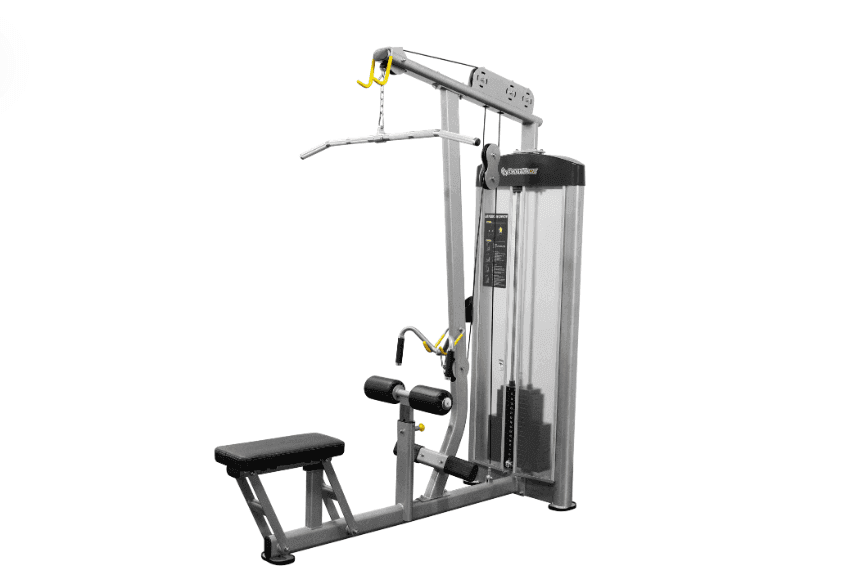
After that broad, barn door behind, and will there be no lat pulldown machine at your disposal? It is a normal issue, whether you are held up in a busy gym, exercising at home or simply need to change the routine. Lat pulldown is an excellent method of giving you the V-shaped appearance and targeting your lats, but really speaking, it is not the only method of creating a strong, wide back.
A combination of free weights, cables and body weight exercises will enable you to hit your lats, and even add to the overall back thickness and strength.
We are going to discuss the most effective lat pulldown substitutes in this guide. We will deconstruct the mechanism of each exercise and demonstrate how to optimally combine them to achieve the greatest benefits without a machine.
Why Do People Look for Lat Pulldown Alternatives?
The lat pulldown is commonly regarded as the solution to the go-to machine when it comes to constructing a wide, barn door back. It is easy, does not get out of hand and isolates your lats. Nevertheless, its popularity makes many lifters start in search of alternatives, and there are a number of good reasons why.
Limited Gym Access or Equipment
A lat pull-down machine is not available in all gyms, and when you are training at home, you are unlikely to have one. Machines, even in commercial gyms, are full during peak time, which means that you have to wait or do without your back set. Pull-ups, resistance bands, or cable rows can intervene and give the same lat activation without the delay.
Desire for Functional Strength
Machines are awesome in isolation; however, machines are not always equivalent to actual strength or movement patterns in actual life. Exercises involving free-weight and variations on bodyweight, as well as exercises on cables, demand more stabilization involving not only your lats but also traps, rhomboids, and core. The result of this is a better-balanced back that works both in and out of the gym.
Plateauing on the Lat Pulldown
It is common to find many lifters leveling off following months of taking lat pulldowns. Muscles become accustomed very fast, and the progress becomes slow. The change of exercises also keeps your lats active and gets them in new positions, grips, resistance forms, etc., to grow and not plateau.
Variation and Muscle Engagement
Lat pulldown options accentuate other sections of the back. To illustrate, pull-ups and chin-ups will work the upper lats and biceps in different ways, and T-bar rows or single-arm dumbbell rows will work mid-back thickness. Diversity not only enhances the general back development, but it also makes your exercises interesting and motivational.
Injury Prevention and Joint Health
There are even cases when machines impose a fixed pattern of movement that does not fit your body mechanics to a certain extent. This may, over time, put strain on your shoulders or your elbows. Strain would be minimized by performing alternative exercises that provide a natural range of motion but still provide growth.
Which Exercises Best Mimic the Lat Pulldown Movement?
In case you are running the barn door back without a lat pulldown machine, you should know what exercises to do on the same muscles with the same intensity. The lat pulldown isolates the lats very well, but there are a number of others that can produce similar results:
Pull-Ups and Chin-Ups
Pull-ups and chin-ups are standard body weight exercises that mimic the downward pulling action of a lat pull-down. They use the lats, traps, and biceps, and it enhances grip strength.
Hints: The trick is to work your lats using different grips (wide, neutral, underhand). Progressively add weight using a dip belt.
Cable Rows or Single-Arm Cable Pulldowns
The tension of the cables is maintained over the movement, as with a lat pull-down. Single-arm versions assist in correcting imbalances and enhance the mind-muscle connection.
Tips: The shoulder blades: Squeeze them at the end of every repetition to ensure optimal activity.
Resistance Band Lat Pulldowns
Bands follow the action of a lat pulldown with the added resistance of variable loads- light at the top, heavy at the bottom. Ideal when you are at home or on the road.
Advice: Position the band firmly over your head and make the movements slowly, managing the eccentric stage.
Dumbbell or Barbell Rows (T-Bar or Bent-Over)
Rows will address mid-back and lats as well as develop thickness and strength. Other exercises that recruit the core are the bent-over rows, which are used to stabilize the core.
Tips: Do not round off your lower back. Always pull with your elbows, but not your hands.
Inverted Rows
Inverted rows that are easier to scale, attack the mid-back and lats, and train the proper scapular retraction.
How to Target Lats Without a Machine?
The lats are targeted without a lat pulldown machine and are reduced to movement patterns, angles and strength. You want to pull either at an angle or upwards so that you engage the lat muscles to their maximum. It can be done in the following way:
1. Emphasis on Pulling Movements.
Vertical pull exercises such as pull-ups and chin-ups strike the lats directly. The presence of wide grips highlights the outer lats, making them wider, whereas the underhand grips highlight the lower lats.
2. Use Free Weights for Rows
Dumbbell, barbell and T-bar rows are concerned with the mid-back and thickness. Pulling with your elbows to the side and the squeeze at the top to get the most lat activation.
3. Leverage Cables and Bands
Cables and resistance bands create tension during the movement, which allows your lats to be engaged during the entire movement. Change angles and grips to strike various fiber groups of muscle.
4. Concentrate on Mind-Muscle Connection.
The slow and controlled reps make sure that your lats are working instead of letting your arms or shoulders take over. And not only are your hands pulled.
5. Progressive Overload is Key
Similar to a machine, by slowly adding resistance (weight, reps, or time under tension), you can be sure that your lats keep growing.
6. Incorporate Variety
Alternating between vertical pulls, horizontal pulls and body weight options achieves lats in a variety of angles maximizing the overall back development and avoiding plateaus.
What’s the Ideal Training Plan for a Barn Door Back Without Lat Pulldowns?
With an ordered plan, you can create width and thickness even without a machine. The important factors are sets, reps, order and frequency.
Which are the Best Sets and Reps in Back Exercises, Compromising with Width?
In case of hypertrophy, 3 to 4 sets of 8 to 12 reps will be sufficient. Bodyweight exercises such as the pull-ups may be performed with variable numbers of reps ranging between 6 and 15, as the weight and support are collected.
Concentrate on slow and gradual movements so as to achieve as much late involvement as possible.
Which is the most appropriate sequence to Mix Alternative Exercises?
Begin the pulling exercises that are directed vertically, such as pull-ups or chin-ups, to pre-exhaust the lats.
Pull horizontally with rows to reach the mid-back thickness.
Add isolation work or cable/band exercises to get the additional pump and mind-muscle contact.
Is It Better to Train Lats Three Times a Week?
Yes, 2 back-focused sessions a week provide enough volume and rest and induce hypertrophy without excessive training. Change exercises to prevent stress repetition.
Conclusion
Constructing a back door of a barn does not necessarily depend only on the lat pulldown machine. The combination of pull-ups, rows and resistance-based options can work on all the sections of your lats and mid-back, which will provide width, thickness, and functional power. Pay attention to good form, gradual overload and change in order to keep your muscles challenged and avoid plateaus.
Feeling like you want to go a notch higher in your gains. Begin using these lat pulldown options in your BodyKore program and experience the difference in having a wide, powerful and well-defined back shape of the one you are pursuing today.
Trending Now
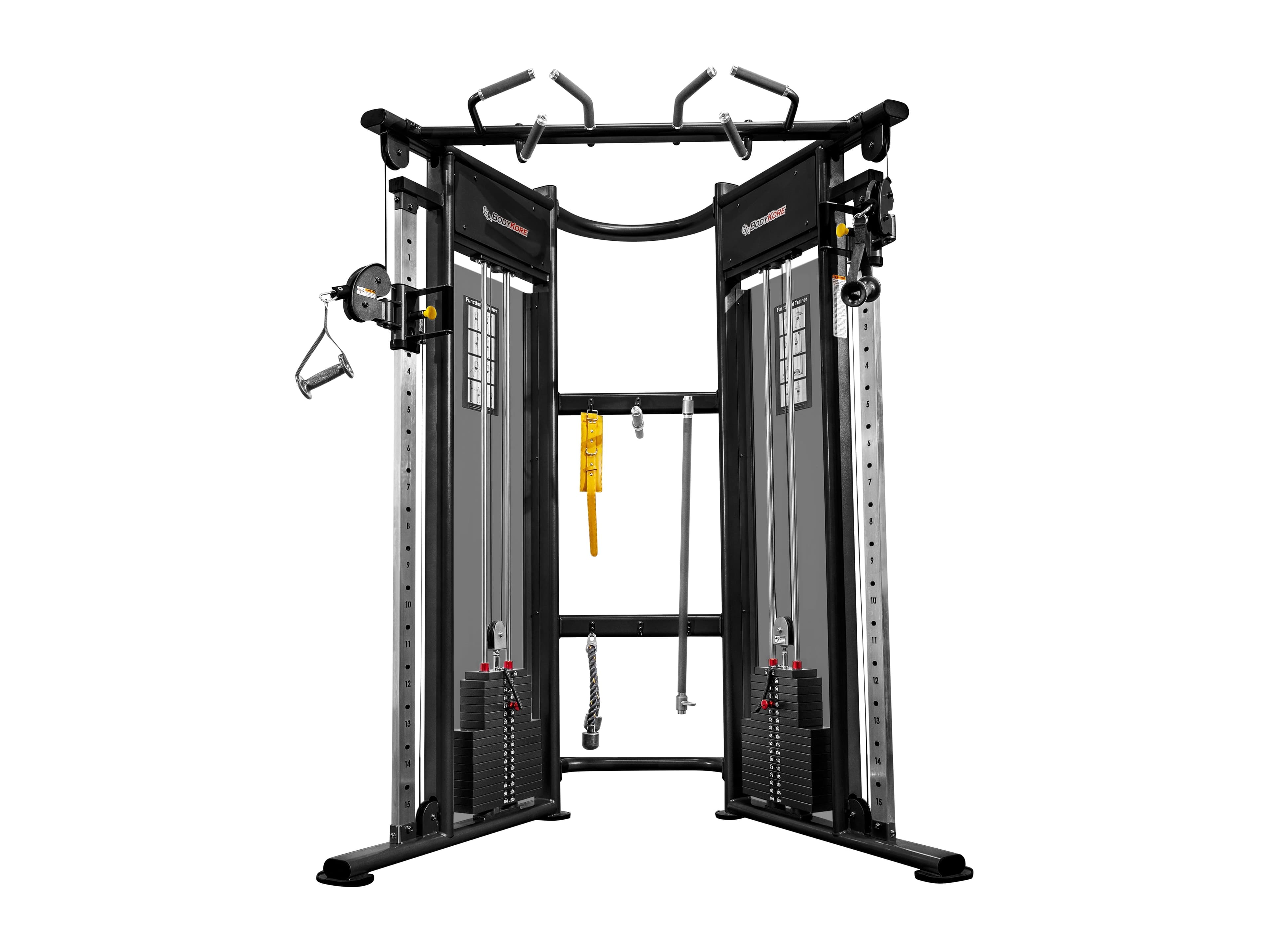
Single Pulley vs Dual Pulley Systems: Which Cable Setup Is Right for You?
Weight Stack vs Plate-Loaded Cable Machines: A Comparison
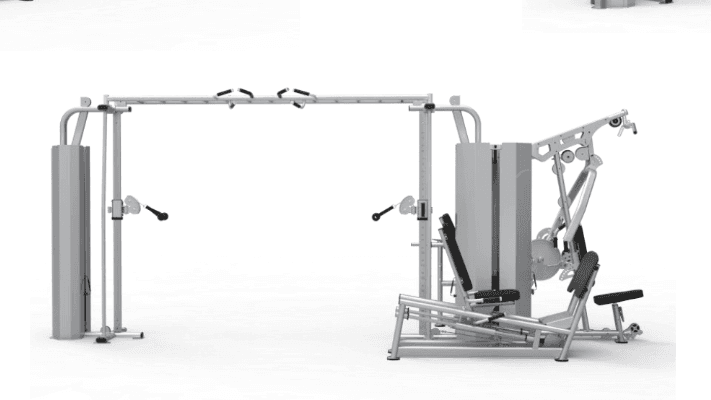
Cable Machines: The Complete Guide
Newsletter
Enter your email and be the first to get the latest blog posts, news, product launches and more from BodyKore.
Stay in the Know
Enter your email and be the first to get the latest blog posts, news, product launches and more from BodyKore.