

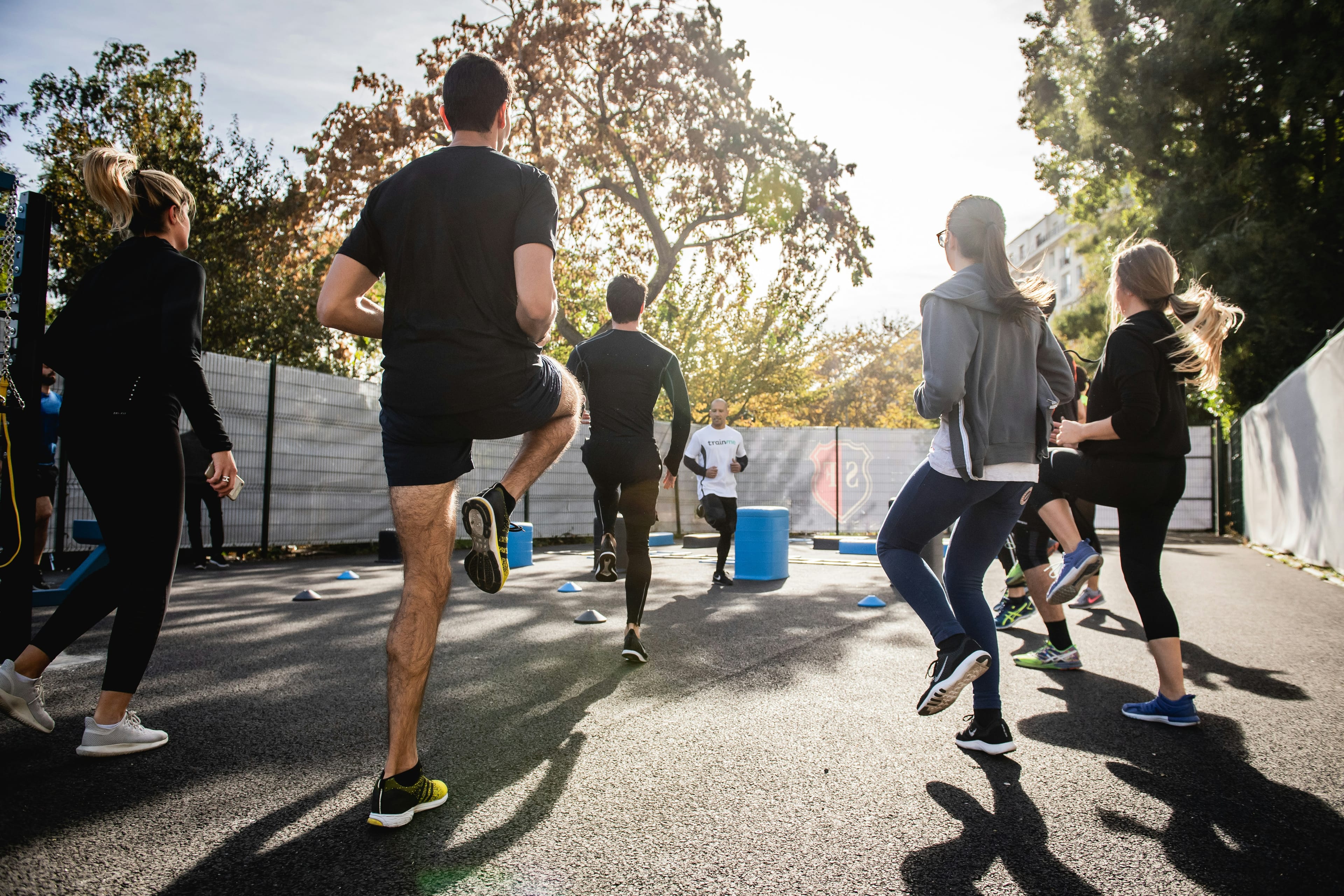
You know how there are days when you are just swallowed? Meetings pile on, emails never end, and suddenly you find it impossible to find an hour to go to the gym. Well, maybe tomorrow. However, the point is that in this case, you do not necessarily need a lengthy workout. Enter snack-sized workouts.
Such small spurts of action, five, perhaps ten minutes, may be laughable in the short term, but practiced in a regular manner, actually cause an addition. Remarkably, several mini sessions a day can produce nearly the same effects as a one-hour workout. Your metabolism is kicked into high gear, your heart is given a jolt and all of a sudden, your vitality is not completely exhausted by mid-afternoon. It is as if fitness will creep in between the seams of your hectic schedule- little, easy and oddly pleasing.
Imagine giving yourself a mental snack, just like a physical exercise. You do not require costly equipment or even space. One side of your living room, a corridor, a row of office flooring- it is all open. It is not about perfection, but it is about consistency, the minor habitual tips that will ultimately become quantifiable benefits.
As we proceed with the rest of the paper, we are going to get into what exactly these snack workouts are, why they are supported by science, and how you can incorporate them into your day-to-day rhythm, yet again, without feeling like a burden. Towards the end, you are likely to be convinced that those five-minute breaks are not merely a gimmick; they could actually be the most intelligent way to make exercise a part of life as it is being played out.
What are Snack-Sized Workouts?
Snack-sized exercises, also known as exercise snacks, are exactly what they sound like: short, intense bursts of exercise that don't require an hour-long commitment or a gym membership. Imagine them as mini-fits: a few squats while your coffee is brewing, two push-ups during your work break, or even a quick yoga session in your living room before getting back into your emails.
The beauty of such mini sessions is that they are simple. No complex equipment, no frightening training. Right movement- pure, practical and usable by almost anybody. Novices feel less intimidated about starting their exercise, and experienced exercisers can incorporate them as a rest day or even to break up their routine.
They are also remarkably flexible. Other individuals emphasize power bodyweight exercises such as squats, planks or lunges. Others use them to get cardio bursts, such as jumping jacks, running up the stairs, or a mini HIIT workout. Then there are the mobility-oriented ones: short flows of yoga, stretches, or joint-friendly motions that awaken stiff muscles. You can even literally fit them anywhere, like a hallway, kitchen, or the corner of an office.
Advantages of Mini Workout Sessions.
Training without getting tired of it - Brief, repeated exercises help you adhere to a regimen. Forming a habit is easier because sessions are convenient.
Reduced injury risk - Mini sessions are less stressful on muscles and joints than long, high-intensity workouts, which are less threatening to novices and those who have taken a break.
Vitality and energy are enhanced- Even 5-10 minutes of exercise can cause better circulation and more flow of oxygen, with a discernible surge in both daily energy and concentration.
Metabolic advantages - A cumulative activity throughout the day helps sustain glucose metabolism, reduces weight, and minimally raises the basal metabolic rate.
Better posture and movement - Consistent movement snacks, such as stretches or mobility flows, will help counteract stiffness caused by long sitting, improving flexibility and posture in the long run.
Mental health support - Brief physical activities trigger endorphin release and reduce stress, offering an emotional restorative on a hectic or inactive day.
The Science Behind Short Workouts
On the face of it, five or ten minutes of exercise sprinkled all through the day may almost be too good to be true. Nonetheless, studies have consistently demonstrated that repeated periods of activity can provide substantial cardiovascular, metabolic, and mental health benefits.
A 2024 study published in the American Journal of Lifestyle Medicine found that when adults engaged in repeated 10-minute aerobic bursts (such as brisk walking, stair climbing, or short cycling sessions), they enhanced cardiovascular fitness and were more likely to remain consistent than participants who did fewer, longer workouts. No small doses of activity, repeated throughout the day, can be very effective.
Equally, an article by Innovavita (2023) indicates that mini workouts can help reduce the adverse effects of prolonged sitting. Even 3 to 5 minutes of motion per hour can improve blood circulation, boost muscle endurance, and help counter the metabolic slowdown associated with a sedentary lifestyle. Mood, alertness, and concentration are also enhanced by hormonal responses during these brief sessions (endorphins and catecholamines).
They have also discovered that these snacks in the form of exercises can be equally effective in terms of metabolic and weight-management benefits as a full-length session, provided that they are frequent and regular. It may take 10 minutes here and 10 minutes there, for a total of 30 to 40 minutes of deliberate movement throughout the day, so that you will never spend 1 entire hour in the gym.
Regular use will lead to long-term gains in endurance, blood flow, muscle strength, and overall metabolic health, proving that the shortest sessions can make a considerable impact.
Who Should Try Snack Workouts
Office workers or anyone who sits a lot can intersperse sedentary time with brief exercises such as desk squats, chair dips, or a brisk stroll down the hallway.
Novices or gym-fearful patients: New exercisers can begin small and not feel intimidated, gradually gaining confidence and strength.
Parents or caregivers: Short sessions are easy to fit into childcare, household activities, or meal planning, and the person can move without needing a specific gym slot.
Individuals experiencing joint problems or post-injury rehabilitation: Low-impact mini-exercises (such as light yoga flows or bodyweight exercises) help build strength in a controlled environment.
More advanced exercisers: Snack workouts are active recovery days, mobility maintenance workouts, or variety added without overtraining even the most experienced athletes.
People wanting a mental pick-me-up: Mini workouts not only keep the body active but also offer little reset buttons to help alleviate stress and uplift mood during the day.
Best 5–10 Minute Workout Formats
Minimal workouts need not be complex. The trick lies in choosing formats that are appropriate to your ambitions, space, and energy. Here are some proven options:
HIIT Bursts
Micro doses of High-Intensity Interval Training. Example: Burpees 30 sec, rest 15 sec: repeat with mountain climbers or jumping jacks in 3-5 sets. Brief and vigorous, and surprisingly helpful in cardiovascular exercise and calorie consumption.
Strength Circuits
Practice functional strength with bodyweight. Push-ups, squats, lunges, and planks are ideal. There are two sets of 10-15 reps of every move, which, without excessive fatigue, leave the muscles in a nice state of fatigue.
Mobility Flows
Stretched fast poses influenced by yoga or stretching. Poses such as cat-cow, downward dog, and torso bends enhance flexibility, posture, and joint health. Good at interrupting the sitting sessions.
Cardio Snacks
Easy lunges to lift the heartbeat. Jumping rope, running up and down brisk stairs, or even marching are all effective. Go to your full body, not just your arms and legs.
Common Mistakes to Avoid
Although the snack-sized workouts are brief and easy to follow, even a minor error can diminish their quality or even lead to minor injury if neglected. The positive aspect is that every error is not difficult to fix once identified. These pitfalls can make mini workouts much more effective, safe, and enjoyable, and focusing on them can help achieve those.
Rushing Reps
Issue: Many people try to get through their mini workouts as quickly as possible, believing that haste is the equal of effort. This can lead to poor form, muscle strain, and joint strain. Even several minutes of careless rehearsal can add up over time, diminishing the benefits and increasing the risk of injury.
Way to Avoid: Concentrate on purposeful, conscious movements. To be more specific, proper alignment and breathing should be observed in squats or push-ups, though this may require fewer repetitions. It is never worth rushing; slow, conscious movements are more effective in short sessions.
Skipping Consistency
Issue: Mini workouts are usually considered as extras or optional, which reduces their cumulative impact. Here and there, doing a few random five-minute sessions hardly seems likely to bear any significant fruit.
Way to Avoid: Ensure that every mini workout is an appointment. Place phone alarms, calendar reminders, or anchor sessions on routine activities of your day, such as after making coffee in the morning, lunch, or before going to sleep. The practice that is frequently repeated and predictable strengthens habit formation, as the short bursts of the activity are much more effective in the long run.
Overloading Variety
Issue: Adding too many new exercises at once can confuse the body, cause loss of concentration, and make the routines more difficult to attend to. Novices, especially, may have a problem with technique when they have too many moves.
Way to Avoid: Begin with 3-5 well-known exercises in a session. Learn movement and gradually add variations. As an example, start with squats, planks, and push-ups, and once they become comfortable, switch to lunges, burpees, or mobility flows. Short workouts require consistency and mastery more than complexity.
Ignoring Warm-Up/Preparation
Issue: Even short mini-workouts, such as 5-minute sessions, can strain muscles, joints, or connective tissue, especially when not followed by any activity. The absence of a warm-up may also decrease performance and interest in the session.
Way to Avoid: Take 1-3 minutes warming up before starting. Even basic activities such as circling the arms, swinging the legs, twisting the torso, or marching could be sufficient to warm up the blood, stretch the tight muscles, and prepare the body to respond to safe and effective exercise.
Neglecting Recovery
Issue: Workouts of small scale generate micro-stress on muscles and joints. Doing mini sessions every day that are not accompanied by mobility work or stretching will cause fatigue, tightness, or overuse injuries in the long run.
Way to Avoid: Incorporate a brief recovery between sessions or end of the day. The flow of light mobility, light stretching, or light-intensity movement may aid in resetting the muscles, keeping them flexible, and avoiding soreness for making it sustainable and valuable.
Tips for Staying Consistent and Successful
Start Minimal - In the beginning, 2-3 mini-sessions per day. By focusing on habit change rather than intensity, burnout can be reduced and long-term adherence improved.
Anchor Exercise to Everyday Habits - Use an exercise with activities one already performs regularly, e.g., coffee in the morning before work, a lunch break, or at the end of work calls. This generates psychological stimuli and eases training.
Measure Performance Journals, applications, or simple checklists produce visible evidence of uniformity. Documenting even small successes like getting through two push-ups or a flight of steps is empowering.
Assign a Workout Space: A small, free area or mat indicates the presence of a workout mode. It will ease the beginning and friction, and will build a mental association that will become habitual.
Trending Now
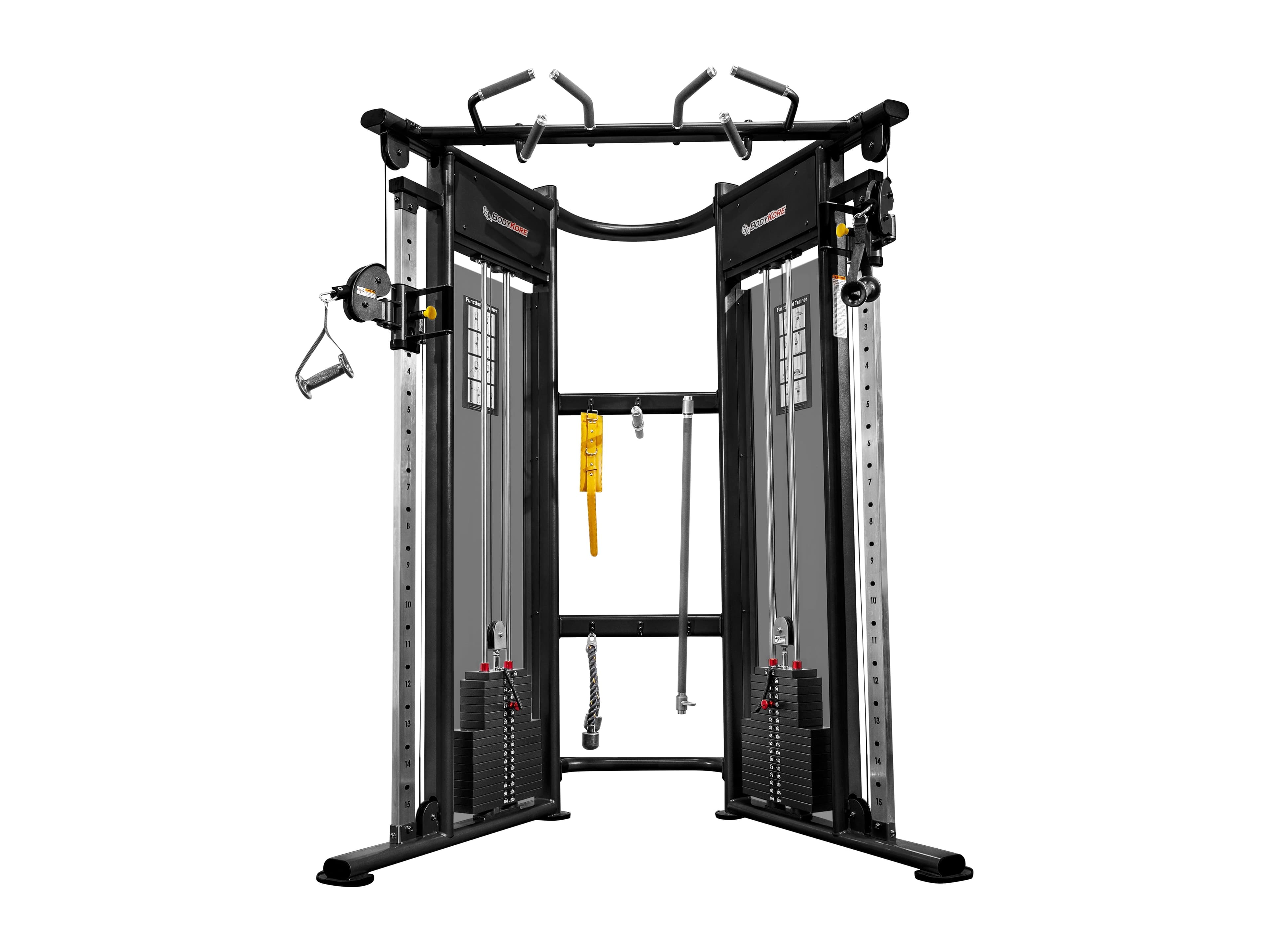
Single Pulley vs Dual Pulley Systems: Which Cable Setup Is Right for You?
Weight Stack vs Plate-Loaded Cable Machines: A Comparison
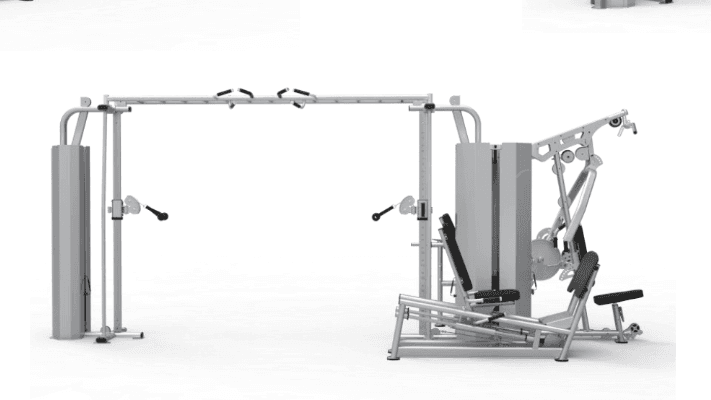
Cable Machines: The Complete Guide
Newsletter
Enter your email and be the first to get the latest blog posts, news, product launches and more from BodyKore.
Stay in the Know
Enter your email and be the first to get the latest blog posts, news, product launches and more from BodyKore.