

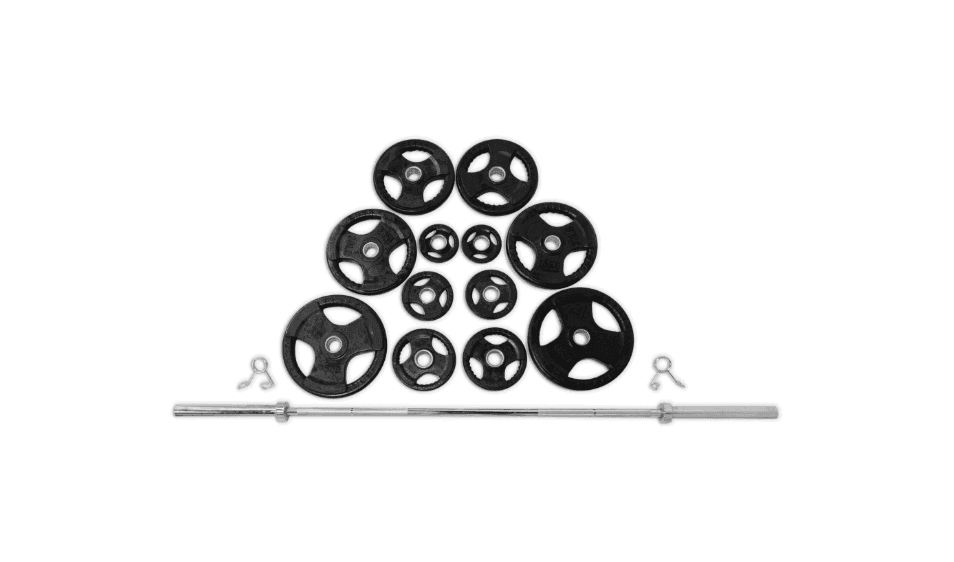
It is amusing that the majority of people get into weight training without even considering the plates themselves. You take any you find on the rack, fill up, and that is it. However, once you begin constructing a home gym or attempt to lift a larger weight, the distinction between normal and Olympic weights becomes a more significant issue all at once.
One has an influence on the level of smoothness in your reps, while the other affects the degree to which you can load anything, and both can impact your budget if you make a wrong decision.
It is probably better to take a moment to actually determine what is between the two. Not in some sophisticated, engineering-understanding manner, but in the way of use, comfort, long-term use, all that stuff that becomes important after you have been training with me for more than a few weeks.
Everything is neatly divided in this guide. Definitional specifications, the actual advantages and disadvantages, and when either type is actually reasonable. By the conclusion, you will be well aware of which direction your gym (or your wallet) needs to be leaning.
What Are Standard Weights?
The common and basic weights are known as standard weights, which are typical in home gyms. The holes in them are typically approximately 1 inch (25mm) in diameter, which is the standard thickness of bars. They are made of standard materials such as cast iron or cement with a bit of PVC coating that makes them solid without being too heavy, and hence easy to handle.
The most common weights used in small home gyms or as entry-level requirements are standard weights, where lifters emphasize lighter weights and speed, and simple strength training, rather than heavy-duty Olympic lifts.
Pros:
Inexpensive: Ideal when cost savings are required.
Will be everywhere: They can be readily located at the majority of sporting goods stores or online.
Small and easy to fit: Plates are thinner and can be piled.
Best at light to moderate weight lifting: Ideal when training casually and when a beginner must develop initial strength.
Cons:
Not suitable for heavy loads: Bars and plates may bend or wear when subjected to extremely heavy weights.
Weaker: Construction and materials are not made to be used in heavy lifting on a long-term basis.
Poor fit with racks/attachments: Not all accessories and gym racks are compatible with standard bars.
No rotation of the bar sleeve: Dynamic lifts, such as cleans or snatches, may seem stiff and strain the wrists or elbows.
Specifications:
Bar diameter: 1 inch (25mm)
Plate hole size: 1 inch
Types of collars: Normal collar, typically of lower weight capacity (around 200300 lbs)
Weight capacity: Suitable for beginners and medium weights.
Who They’re Best For?
Novices: New lifters in training acquisition.
Budget-conscious customers of home goods: Low-priced and small.
What Are Olympic Weights?
Olympic weights are intended to train hard and perform dynamic lifts. The diameter of the holes is 2 inches (50mm) to accommodate Olympic bars with rotating sleeves, thereby minimizing strain on wrists and elbows during workouts such as cleans, snatches, and bench presses.
Such plates are typically manufactured from high-quality steel or cast iron. Occasionally, rubber is applied to make them more durable and reduce noise. They are designed to take the weight and can be used frequently; hence, they are the most popular in commercial gyms and serious home installations.
Pros:
Bears heavy weight: Designed to support advanced exercises.
The rotation of sleeves improves the comfort of the joints: The rotation allows the sleeves to minimize the load on the wrists, elbows, and shoulders.
Specific weight tolerance: Lifting is ensured as the plates are made to the utmost degree of accuracy.
Wide compatibility: Compatible with commercial bars, racks and gym equipment.
Cons:
Premier: It is very expensive because it is high quality and durable.
Consumes more space: Plates are much thicker and occupy more space.
Big: It can be daunting to those who are just starting.
More difficult to use: Heavy plates and bars are challenging to work with without the proper instructions.
Specifications:
Bar grip: Larger than the regular bars.
Sleeve mechanism: Allows the motion of rotation to protect joints during dynamic lifts.
Accuracy of the plate weights: very accurate.
Weight capacity: 1000 lbs or more, owing to weight.
Who They’re Best For
Intermediate-advanced lifters: Strength and technique development.
Strength athletes: Power lifters, Olympic lifters and serious trainers.
Commercial gyms or strong home systems: Can be used in intensive, vigorous exercising and dynamic lifts.
Main Differences between Standard and Olympic weights.
The key differences between regular and Olympic weights are reduced size, construction, suitability, and intended use. Having this will help you determine the right setup to achieve your goals.
Bar Compatibility and Centre Hole Size
In standard weights, the center hole is 1 inch (25mm) and the standard barbells are of similar diameter.
Olympic plates are often characterized by a steel core and a rubber, or polyurethane, covering that makes them strong and impact-resistant, suited to an intended use of a combination of specialized lifting, dropping, and competing.
Olympic bars cannot be safely placed on standard plates, and Olympic plates cannot be safely placed on standard bars, which impacts safety and stability during lifts.
Plate and Bar Dimensions
The diameter and thickness of Olympic plates are usually greater than those of normal plates of equal weight, resulting in a higher load-bearing capacity.
The Olympic bars are longer (approximately 7 feet), heavier (33-44 lbs), and constructed to handle heavy weights.
Standard bars are shorter, lighter (1319 lbs), and are designed for light lifting.
Material and Durability
Olympic plates are often characterized by a steel core and a rubber, or polyurethane, covering that makes them strong and impact-resistant, suited to an intended use of a combination of specialized lifting, dropping, and competing.
Standard weights are cheap and convenient to use, and it is appropriate in case of informal use in the home gym, yet they lack in features of both durability and weight capacity and advanced lifts.
Usage and Purpose
Olympic gear is of IWF standard, which is suitable for competitive lifting, powerlifting, and serious training.
Standard weights are inexpensive and easy to use, which is suitable for informal home gym use, but they are limited in terms of durability, weight capacity, and suitability for advanced lifts.
Which One Should You Choose?
Depending on their level of experience, beginners are satisfied with ordinary weights, intermediate and advanced lifters use Olympic ones.
According to Training Style, the general fitness and light strength exercises are performed with regular weights, whereas the dynamic exercises, such as Olympic lifts, are performed with Olympic plates.
Depending on the Budget and Space, Standard weights are cheaper and smaller in size in comparison to Olympic weights, which are not only an investment but also very heavy to lift.
Conclusion
A decision between regular and Olympic weight is dependent on your level of experience, training method, and budget. The standard weights are best suited for beginners or amateur home gym equipment, as they are not very costly and not bulky.
Instead, Olympic weights are for serious lifters. They are more durable, have a greater weight capacity, and are able to be used on advanced lifts. Understanding the difference, you will be able to make a choice that enables you to achieve your fitness goals and foster long-term growth.
Are you ready to further your training? To make your home gym or commercial gym the best place to begin working smarter today, choose among the best BodyKore products to use by deciding between the premium quality weight plates and bars.
Trending Now
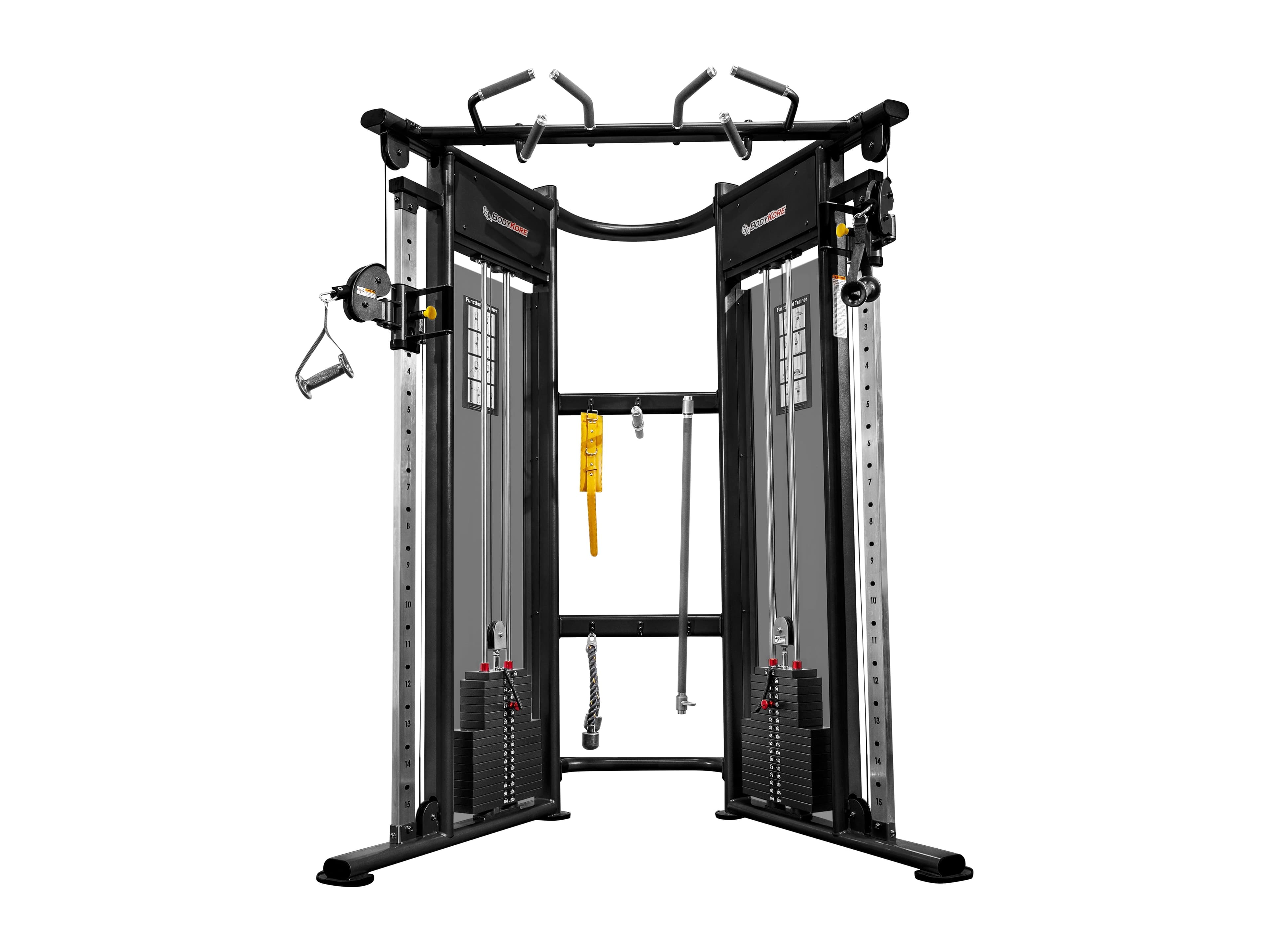
Single Pulley vs Dual Pulley Systems: Which Cable Setup Is Right for You?
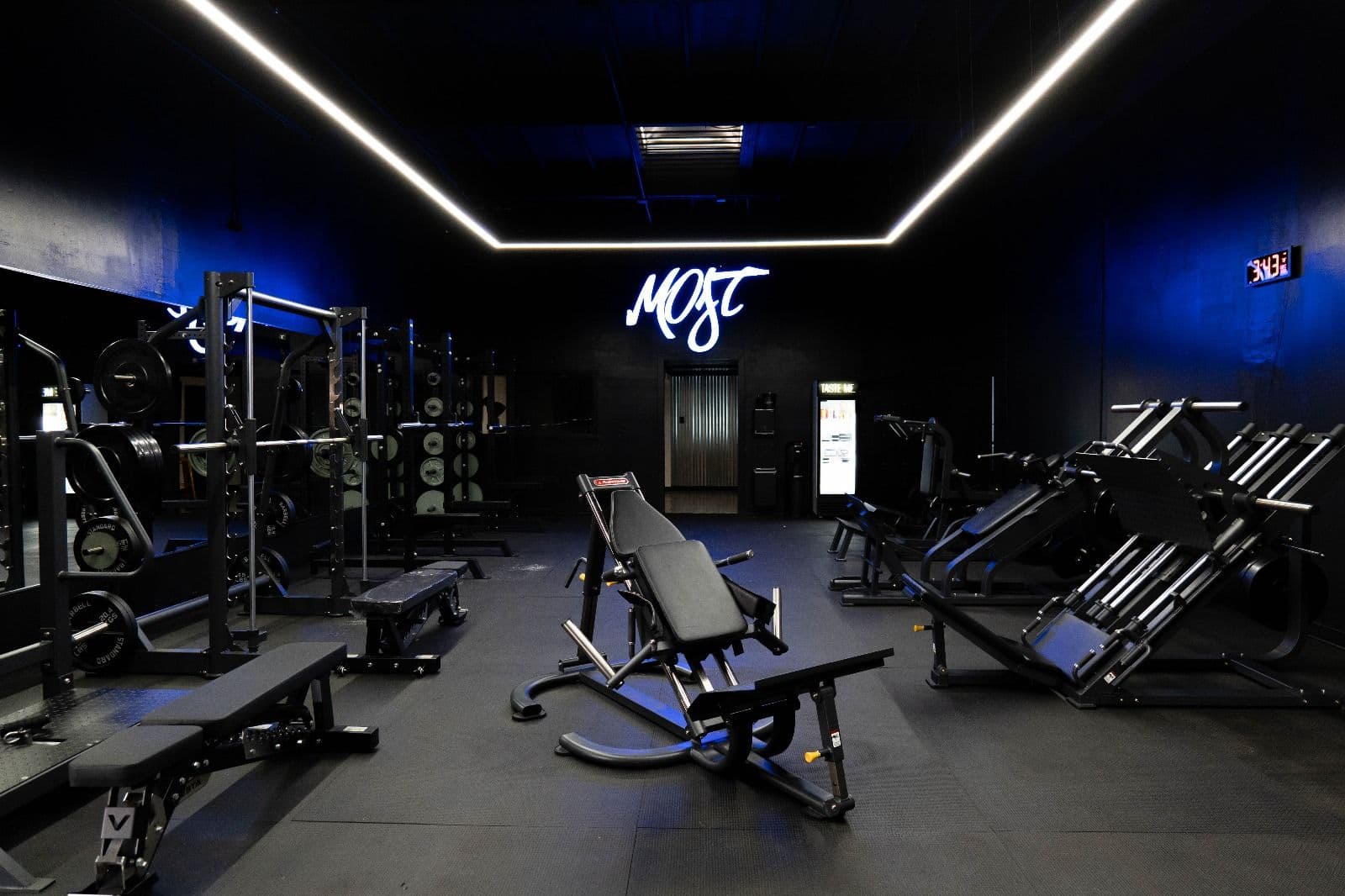
Weight Stack vs Plate-Loaded Cable Machines: A Comparison
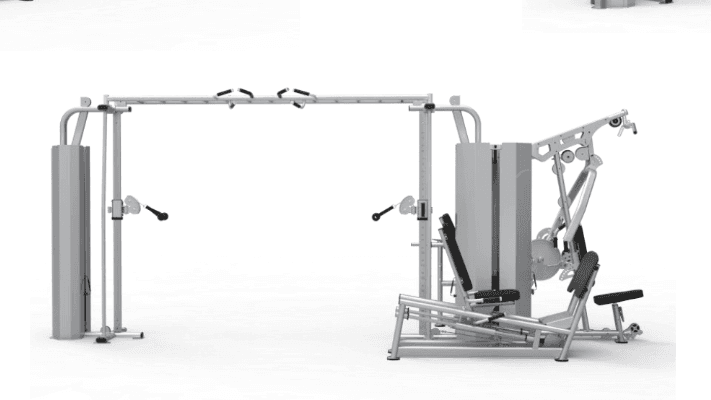
Cable Machines: The Complete Guide
Newsletter
Enter your email and be the first to get the latest blog posts, news, product launches and more from BodyKore.
Stay in the Know
Enter your email and be the first to get the latest blog posts, news, product launches and more from BodyKore.