

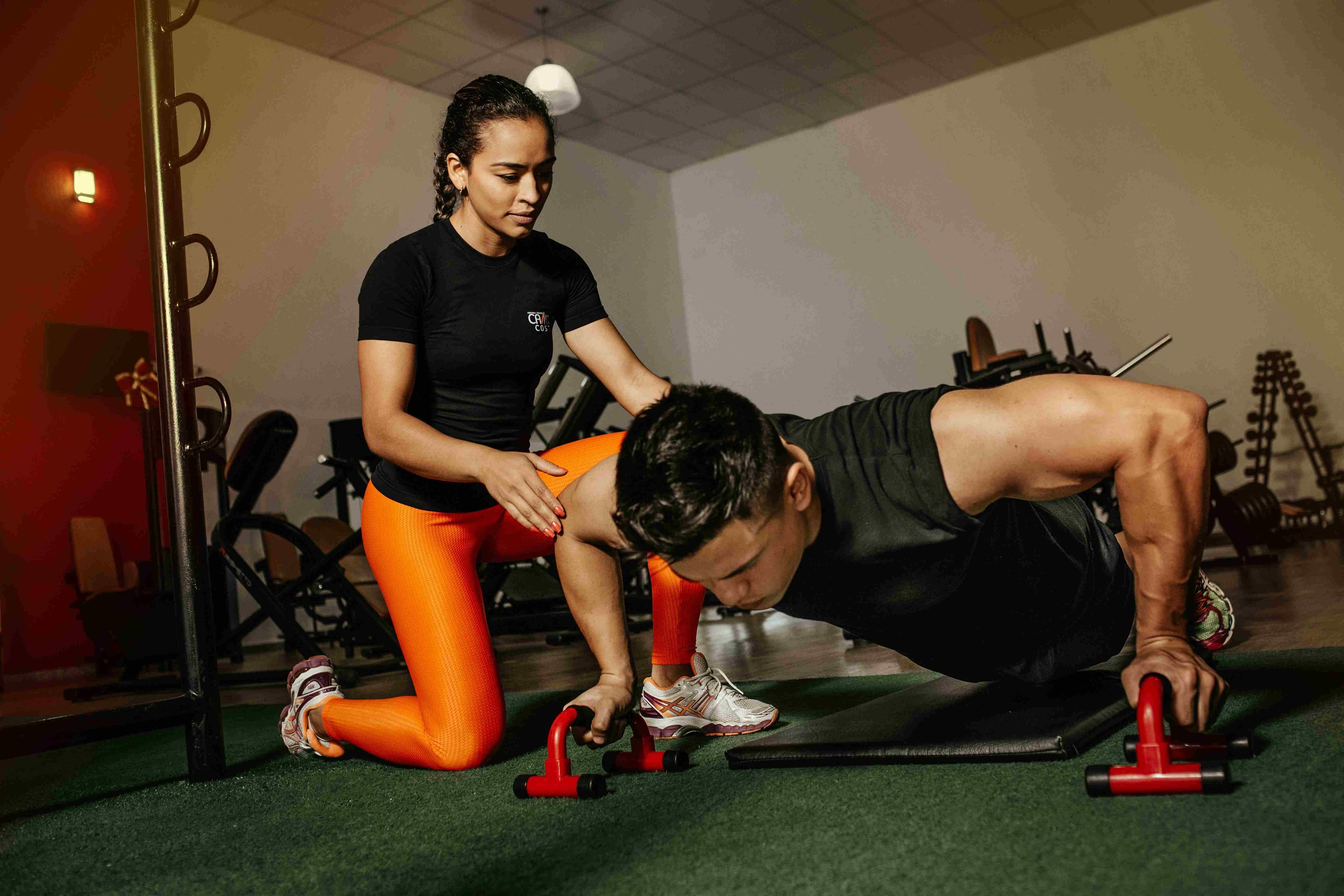
Stepping into the gym for the first time. Aside from trying to figure out dozens of things. There is one thing you should give extra effort to. Having the right personal trainer by your side can make an enormous difference.
A personal trainer by your side is not just about counting reps or telling you to push through one more set. They will understand your body, lifestyle limitations, and ambitions. Further, they take time and design a structured program tailored specifically to your needs, rather than just a generic plan from the internet
In recent times, fitness instruction has been a bit crowded, and personal trainers range from highly qualified professionals with years of specialised experience to individuals with little more than a weekend certification and an enthusiastic Instagram account.
So choosing the wrong one can waste your money, time, and effort. That's exactly why we have put together these practices to help you make a well-informed decision and find the personal trainer who will help you achieve the results you're working toward.
1. Define Your Goals Before You Start Searching
The first step everyone should take is to understand their goal. Before you browse trainers' profiles, take time to write down your goals using the SMART framework. It is Specific, Measurable, Achievable, Relevant, and Time-bound. Rather than saying "I want to get fitter," think along the lines of "I want to build lower body strength over the next three months."
But why does it matter? Because personal trainers specialize in very different areas. Some focus on bodybuilding and hypertrophy. At the same time, other experts focus on injury rehabilitation, endurance sports, weight loss, or functional fitness.
For instance, if your goal is Zone 2 cardio improvement, you need a trainer who understands those specific demands, not someone whose entire background is competitive powerlifting. Clarity about your goals is what allows you to filter the right candidates from the start
2. Verify Certifications and Qualifications
The fitness industry is unregulated in many countries. It means anyone can technically call themselves a personal trainer. That's why verifying credentials is non-negotiable. Look for trainers certified by recognized, reputable organizations such as NASM (National Academy of Sports Medicine), ACE (American Council on Exercise), ISSA (International Sports Sciences Association), or NSCA (National Strength and Conditioning Association). These certifications show a trainer has passed rigorous assessments in anatomy, exercise programs, nutrition basics, and client safety.
Don't just take their word for it. You should ask to see their certificate and check expiry dates. Many top trainers also hold advanced qualifications in areas like sports medicine, exercise physiology, or corrective exercise. It can be particularly valuable if you are dealing with injuries or complex fitness goals. Working with an uncertified trainer will highly increase the risk of poor technique guidance and preventable injury.
3. Review Their Experience and Specialisations
While certifications tell you about a trainer's theoretical knowledge. But their experience tells you they can actually apply it. When you evaluate a trainer, ask how long they have been working with clients and, more specifically, what types of clients they've worked with. If you want to train for endurance or prepare for a high-altitude hike, a trainer who has primarily worked with bodybuilders may not be your best match.
Moreover, you ask for references or case studies. An expert and seasoned trainer will be more than happy to share success stories from former clients, preferably those with objectives like yours.
Simultaneously, the question arises of how they keep track of their knowledge. The field of fitness science is constantly evolving, and a trainer can stay abreast of these changes by investing in continuing education, workshops, and new certifications.
4. Read Client Reviews and Online Feedback
In the age of connectivity, you can get a great deal of insight into a trainer before you meet. Take time to search for their name or business on Google, Yelp, and local fitness directories, and pay close attention to patterns in the reviews. Do clients always compliment their communication and their capacity to lead results? Or do you have some form of grumble-grumble cancellations, generic programmers, or a lack of follow-through?
You should have gone beyond the star rating and read the actual text. These positive reviews that include specific results are more valuable, such as losing 8kg in 12 weeks or a recommendation from someone who helped me recover after knee surgery. In addition, scrutinize their social media account. Professional trainers who share client transformations, training materials, and behind-the-scenes training are more active and enthusiastic about their work.
5. Schedule a Consultation or Trial Session
The majority of good personal trainers will offer a free initial meeting or a discounted trial session. Take full advantage of this. The consultation is the time when you can test not only their knowledge. But how they listen to you, how they speak, and whether their philosophy is what you can expect of them. The clue to watch during the consultation is whether the trainer inquires about your health history, fitness background, lifestyle, and objectives in a descriptive way or whether the consultant moves on to a sales pitch.
A trainer who takes the time to get to know you as a person before prescribing a programme will always be inclined to provide you with a custom-made, effective plan. Besides, you can use this session to assess the facility, equipment, and the environment in general, particularly when the quality of equipment is important to your particular training objectives.
6. Test Personality and Communication Style
What most of us do not realize is that a fitness process is never short-term. It will be a lengthy journey with some hard days, when motivation is low, and improvement is slow. The personality of your trainer is important on days like these. You need to question yourself: Am I really comfortable with this person? Do they motivate me, but not pressurize and judge? A trainer has different things with different people.
Not all clients will do well with energy; no excuses for a coach who works hard. Others work best by taking their time and being calm to earn confidence. The answer is not right or wrong, but one has to find the appropriate one for him or her.
The most common reason for dropping the personal training program before achieving significant outcomes is a discrepancy between personality and communication style.
7. Evaluate their Coaching Process
On top of personality, you must learn how a trainer really coaches. Request that they take you through their standard procedure for writing a program for a client with your aspirations. Are they obsessed with progressive overload and systematic periodisation? Do they ensure variety to avoid boredom and plateaus in adaptation? Are technique coaching and form correction involved, or do they turn you out on the equipment?
Even the best trainers do not just look at the gym floor. They will discuss recovery, sleep quality, and overall nutrition. When a trainer talks about sufficient protein intake, proper stress management, or the balance between training and rest, it indicates that the individual appreciates fitness in its entirety.
Watch out against trainers who either prescribe radical or unsustainable methods, high levels of cardio without resistance, crash diets, and cookie-cutter plans that they sell to one client after another.
8. Check Availability, Location, and Logistics
Suppose you have the most personal trainer to suit your purposes. However, when your logistics fail, it could be a problem. You should be able to put them into your schedule before committing them. Consider the hours of the day you will be most apt to train: always early in the morning, after a working day, and on weekends. Make sure trainers can book slots during these windows.
Location matters too. The aspect of commute time can also be a problem, since lengthy, inconvenient travel would become an automatic excuse to miss sessions once life becomes hectic. If you are interested in a home gym, enquire whether the coach offers online coaching or house calls. Already, there are lots of trained trainers who can work with clients remotely, and they may provide you with more opportunities.
In addition, you are to inquire about their cancellation and rescheduling policies. Life occurs, and a trainer having flexible and clear policed will produce less friction and will develop a long-term sustainable plan
9. Compare Pricing and Understand the Value Pricing
Pricing is an investment, and just as with most investments, the lowest-priced option is not always the best. With this said, it does not necessarily mean that being costly equates to being better. The thing is to see what you really get from the money.
Get quotes from at least 3 trainers and compare the packages they offer. Does the price include only in-session time, or does it also include a written programme, frequent progress check-ins, nutrition advice, or WhatsApp support between sessions?
A more holistic service provided by the trainers will tend to yield quicker, more sustainable results; that is, the price you pay per unit of progress may even be lower than the less expensive option that leaves you to your own devices.
Enquire about package deals and discounts for block bookings, and find out whether there is a trial period or a satisfaction guarantee.
10. Ask the Right Questions Before You Commit
Before committing to anything, you should prepare a shortlist of targeted questions to reveal a trainer's professionalism, honesty, and experience. You should consider asking:
What results have you achieved with clients who had similar goals to mine?
What would you do with a client who is no longer making progress?
What do you do to monitor and measure client progress?
Is there a trial period or any flexibility before a long-term commitment?
The answer for trainers will be as informative as they say. A professional who gives thoughtful, specific responses and who admits limitations honestly is worth far more than one who overpromises. Good trainers understand results require effort from both sides, and they'll set realistic expectations rather than telling you only what you want to hear.
Conclusion
You should take time and research upfront to get the right personal trainers, but it is an effort to pays dividends throughout your entire fitness journey. When you match your special family trainer who has the right expertise, qualifications, personality, and coaching approach, you create the conditions for genuinely transformative progress.
Browse the Bodykore equipment range now and find everything you need to train like a professional
Trending Now
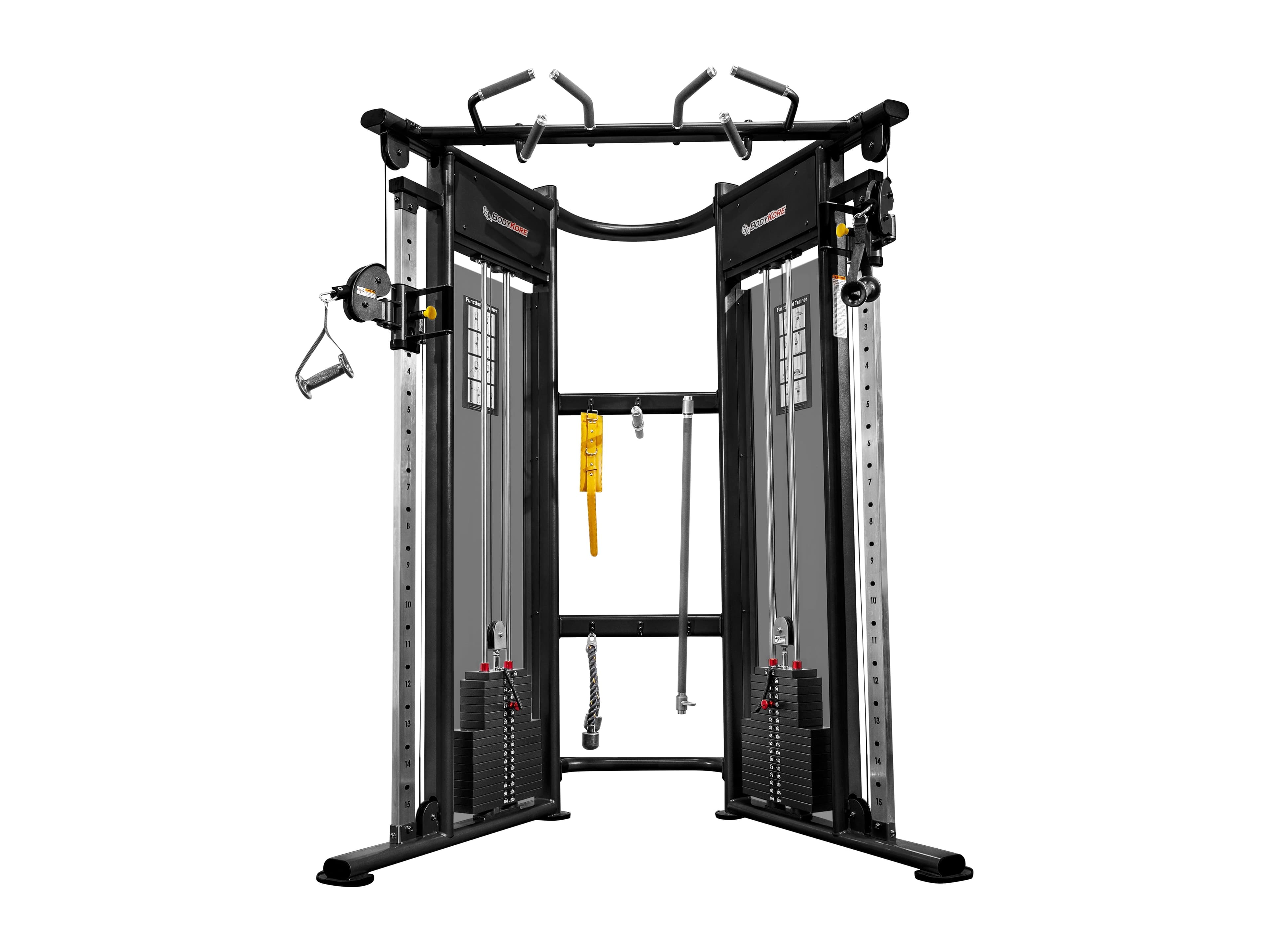
Single Pulley vs Dual Pulley Systems: Which Cable Setup Is Right for You?
Weight Stack vs Plate-Loaded Cable Machines: A Comparison
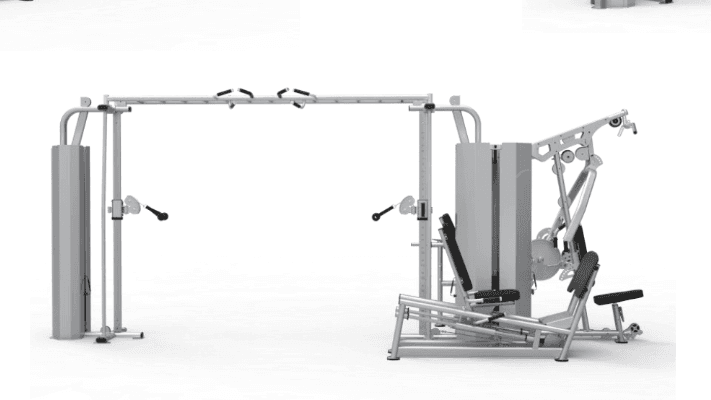
Cable Machines: The Complete Guide
Newsletter
Enter your email and be the first to get the latest blog posts, news, product launches and more from BodyKore.
Stay in the Know
Enter your email and be the first to get the latest blog posts, news, product launches and more from BodyKore.