


Every bite you take is more than just food; it's information. It tells your body how to feel, how to move, how to show up in the world. And behind all of it? Three powerful nutrients work quietly in the background: protein, carbohydrates, and fats.
These are the building blocks of energy for your strength and health. Even for lifting weights, chasing deadlines, or simply getting through a busy day, your body depends on the right balance of these macronutrients to function at its best.
So we’re here to unpack what macronutrients really are in very plain and simple words, with helpful insight to help you make better choices at your own pace.
What Are Macronutrients?
Macronutrients are the nutrients your body needs in large amounts to stay healthy and full of energy. They help your body grow, repair itself, and keep everything running smoothly from your brain to your muscles.
There are three main types of macronutrients: protein, carbohydrates, and fats. Each one plays a different role, but all three are essential for your body to work properly every day.
Protein: The Building Block
Protein is a vital nutrient made up of amino acids that the body needs to grow, repair cells, and function properly. It forms a major part of muscles, skin, bones, hair, and organs, as explained by Medical News Today and Oklahoma State Extension.
Proteins consist of long chains of 20 amino acids, nine of which are essential and must come from the diet because the body cannot produce them on its own.
Functions of Protein in the Body
Protein builds and repairs tissues, including muscles, bones, skin, and organs, produces enzymes and hormones that regulate bodily functions, maintains pH and fluid balance, supports the immune system by making antibodies, and helps transport and store nutrients.
While carbohydrates and fats are the body’s preferred energy sources, protein can provide 4 calories per gram and serve as an energy source, especially during fasting or when carbohydrate intake is low.
Common Protein Sources
Protein comes from animal-based foods like meat, fish, eggs, and dairy products, which are considered complete proteins containing all essential amino acids.
Plant-based sources include legumes such as beans and lentils, nuts, seeds, and grains are often incomplete proteins but can be combined to provide all essential amino acids.
Daily Protein Requirements
Protein needs vary depending on age, sex, weight, and health status. General guidelines recommend that 10-35% of daily calories come from protein.
Children, pregnant women, and nursing women require higher protein intake per pound of body weight due to growth and development needs. Most adults meet their protein requirements through a balanced diet.
Benefits and Risks of Too Little or Too Much Protein
Insufficient protein intake can impair muscle maintenance, immune function, and overall health. On the other hand, consuming excessive protein is often unnecessary and may carry health risks, particularly with very high-protein diets.
Typically, protein is best utilized for tissue repair, and any excess protein may be converted to fat if total calorie intake is sufficient.
Carbohydrates: The Body’s Main Energy Source
Carbohydrates are macronutrients that provide energy by breaking down into glucose, which is the body's preferred fuel source for most cells. According to the National Institutes of Health, carbohydrates are essential for brain function and physical activity.
Types of Carbohydrates: Simple vs. Complex
Carbohydrates come in two main types: simple and complex. Simple carbohydrates, such as sugars, provide quick bursts of energy, while complex carbohydrates, found in starches and fiber, offer sustained energy and help maintain digestive health (Healthline).
How Carbohydrates are Used for Energy
Once eaten, carbohydrates are broken down into glucose, which almost every cell in the body uses immediately for energy. Glucose is especially important for the brain and muscles during exercise.
Common Sources of Carbohydrates
Carbohydrates are found in a variety of foods, including fruits, vegetables, grains, legumes, and dairy products. Whole grains and fiber-rich vegetables provide complex carbs, while sugary snacks contain mostly simple carbs.
Effects of Consuming Too Many or Too Few Carbohydrates
Eating too many carbohydrates, especially refined sugars, can contribute to weight gain and increase the risk of metabolic diseases like type 2 diabetes.
On the other hand, consuming too few carbs may cause low energy levels and force the body to use protein for fuel, which is less efficient and can affect muscle maintenance
Fats: Essential and Energy-Dense
Fats are macronutrients that provide the highest amount of energy among the macronutrients, supplying 9 calories per gram. They are essential for many bodily functions, including hormone production, nutrient absorption, and cell structure.
Types of Fats: Saturated, Unsaturated, Trans Fats
Fats come in different types: saturated fats, typically solid at room temperature and found in animal products; unsaturated fats, usually liquid at room temperature and found in plant oils, nuts, and fish; and trans fats, which are artificially produced and linked to negative health effects (Healthline).
Roles of Fats in the Body
Fats help maintain the integrity of cell membranes, support hormone production, and are crucial for absorbing fat-soluble vitamins like A, D, E, and K. They also serve as long-term energy storage and provide insulation for organs (Better Health Victoria).
Healthy Fat Sources
Healthy fats are found in foods such as olive oil, nuts, seeds, avocados, and fatty fish like salmon. These unsaturated fats are beneficial for heart health and overall wellness.
Myths and Facts About Dietary Fat
Not all fats are harmful. Unsaturated fats can improve cholesterol levels and reduce heart disease risk, while trans fats, commonly found in processed foods, should be avoided due to their harmful effects on heart health.
How Macronutrients Work Together?
Macronutrients, protein, carbohydrates, and fats don’t work alone. They work as a team to keep your body healthy and energized. Finding the right balance between them is key to supporting health and helping your body function well every day.
When you eat a good balance of macronutrients, your metabolism works smoothly. Protein helps build and repair tissues, carbs give quick energy for your brain and muscles, and fats support long-term energy and hormone production. Together, they help your body burn calories efficiently and maintain a healthy weight.
For example, a balanced meal might include grilled chicken (protein), brown rice or quinoa (complex carbohydrates), and steamed vegetables tossed in olive oil (healthy fats). Another example could be a hearty salad with mixed greens, chickpeas, avocado, and a boiled egg.
Practical Tips for Managing Macronutrients
-
Use apps like MyFitnessPal to easily track your daily protein, carbs, and fats.
-
Always read nutrition labels to know the macronutrient content of your food.
-
Focus on whole foods that provide quality protein, complex carbs, and healthy fats.
-
Plan your meals ahead to ensure a balanced mix of macronutrients every time.
-
Adjust your macronutrient intake based on your activity level and health goals.
Common Misconceptions About Macronutrients
Many people believe that carbs make you fat or that all fats are bad, but these ideas aren’t true. Carbohydrates are your body’s main energy source, and when eaten in the right amounts, they don’t cause weight gain. Similarly, healthy fats like those found in nuts and avocados are essential for brain health and hormone balance.
Popular diets often confuse people by demonizing one macronutrient while praising another. The truth is, a balanced intake of protein, carbs, and fats is important for long-term health. Extreme diets that cut out entire macronutrient groups can lead to nutrient imbalances and aren’t sustainable for most people.
Understanding how each macronutrient works can help you make smarter choices instead of following myths or fad diets.
Wrapping Up
Understanding macronutrients, protein, carbohydrates, and fats, and how they work together is essential for fueling your body, boosting your energy, and reaching your fitness goals. Making smart choices about these nutrients helps you build strength, improve performance, and feel your best every day.
To support your journey, BodyKore offers high-quality fitness equipment designed to help you train effectively and stay motivated at home or in the gym. Elevate your workouts and unlock your full potential with BodyKore today!
Trending Now
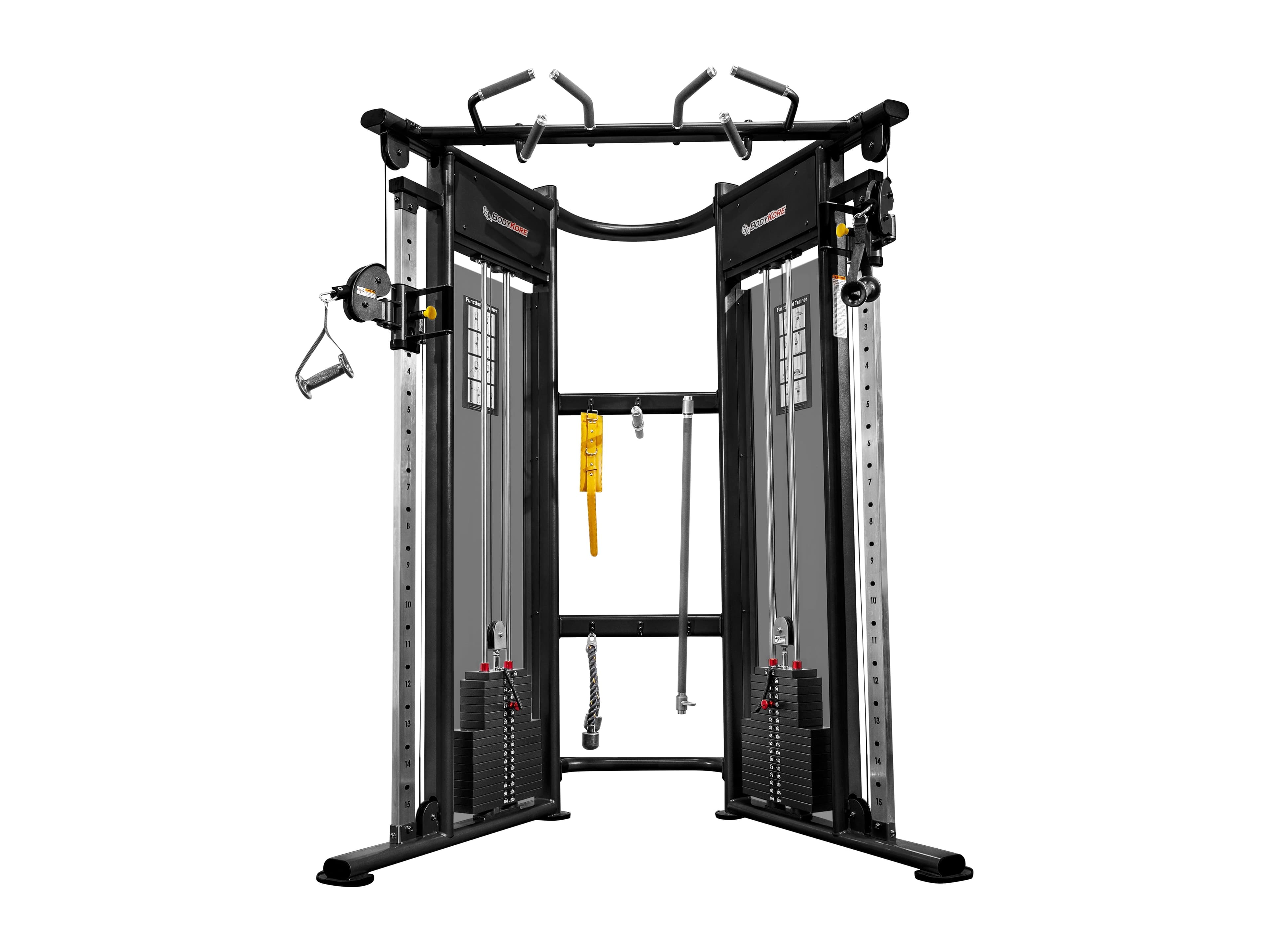
Single Pulley vs Dual Pulley Systems: Which Cable Setup Is Right for You?

Weight Stack vs Plate-Loaded Cable Machines: A Comparison
Cable Machines: The Complete Guide
Newsletter
Enter your email and be the first to get the latest blog posts, news, product launches and more from BodyKore.



Stay in the Know
Enter your email and be the first to get the latest blog posts, news, product launches and more from BodyKore.