

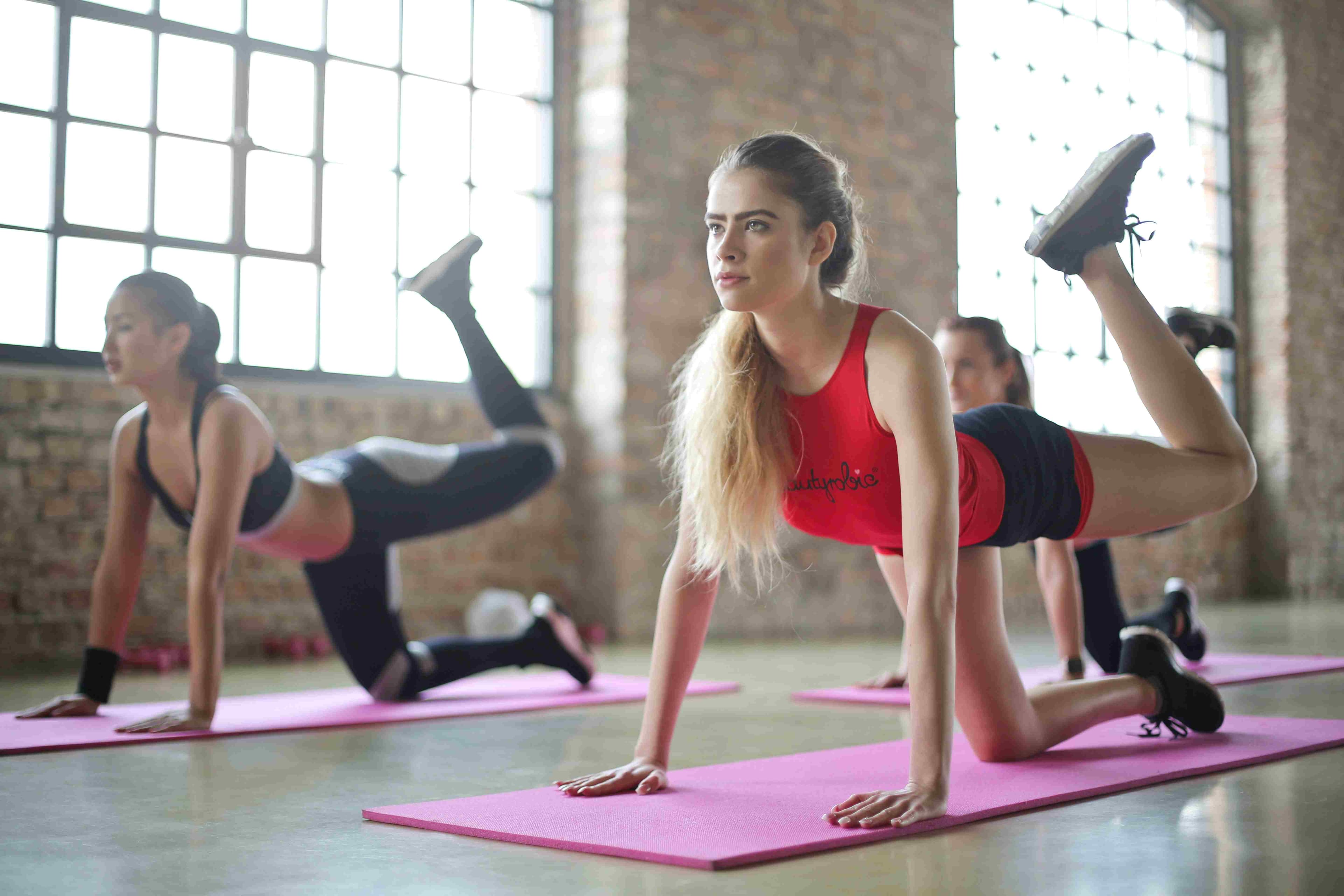
There is a trend that you are currently seeing in your feed: dozens of influencers or athletes are slowly lifting up their legs, doing so well and so controlled, standing on a mat or sliding on a strange-looking contraption with straps. That's Pilates. The new game-changer results in reduced back pain and core power. The question, however, is how and exactly what Pilates does work.
According to a 2023 statistics report, nearly 12 million Americans had practiced Pilates, a 15% increase since the same survey was first conducted.
You have to understand that Pilates is not a fad or another workout program. It is a controlled form of exercise that focuses on inner strength and also works on your back, hips, and posture. This form of exercise, as an alternative to heavy lifting, involves slow, directed movement and alignment of mind and breath.
All you have to do is keep up with us, and we will be straightening everything out regarding Pilates, how, where, and why so many are adding it to their fitness program.
What Exactly Is Pilates?
Pilates is a low-intensity total-body method of exercise designed around controlled movements, intentional breathing, and body awareness. It was developed in the early 1920s by a German-born trainer, Joseph Pilates, who first named his system Contrology. He originally developed it as an intervention for injured dancers who did not desire to train stressed muscles and joints.
It was obvious that Pilates had a lot more work than dancers over the decades. Today, all publics, including elite athletes in training to overcome overuse injuries, office workers with a chronically sore back, and the aged seeking to maintain balance and mobility, use it.
The muscles Pilates works with are deep, stabilizing. It targets the trunk, hips, and lower back. In the meantime, it improves the harmony, coordination, and interrelations between the breath and movement. It is believed to make your body more efficient, not stronger.
Types of Pilates: Mat, Reformer, and Equipment-Based Classes
Pilates is not just one thing. Between 1920 and 1960, Joseph Pilates designed a full apparatus, most of which is used today. Each piece of equipment is unique in its use, and awareness of the existing ones provides an individual with the opportunity to choose the proper format to achieve the desired objective, and within their budget.
Mat Pilates
The foundations of the entire strategy. Joseph Pilates developed 34 original mat exercises: Hundred, Roll Up, Double Leg Stretch, and Teaser, with bodyweight as the only resistance. Without spring feedback, you will need to take your own stability and orientation into account. That is why mat work is a bigger challenge than the Reformer to many practitioners.
Cost: Free – $20/month online. Drop-in studio mat classes $10–$20.
Best: Low-end, entry-level, home study, commuter students.
Reformer Pilates
Which gear do most people become familiar with in a studio? Shoulder blocks, straps, a frame with a sliding carriage and adjustable spring resistance, a footbar, and a frame. The spring system also provides proprioceptive information, i.e., where you are in space, and the degree of challenge can be increased or reduced based on the resistance. It was invented by Joseph Pilates, who was serving as an orderly in a hospital during World War I, when he used old bed frames and springs to help bedridden patients regain their strength.
Cadillac (Trapeze Table)
The bed-like table is massive, which has a metal frame mounted on bars, springs, and straps, a push-through bar, and trapeze loops. Pilates equipment exercises may be the most comprehensive and therapeutic when performed in virtually any position, even partially suspended. Particularly helpful with the spinal decompression process, shoulder mobility, and after the surgery. It is mostly found in specialist or clinical studios.
Price: This normally accompanies an individual session (40-80).
Best: Intermediate and advanced learners; spinal cord rehabilitation; recovery from severe injuries.
Wunda Chair
A bench of small size with a cutout and spring-loaded pedal. It was considered to be the most challenging machine relative to its weight. Sitting, standing, and leaning exercises require strong core stability and balance because the body must support itself on a small base, whereas other apparatuses do not. It was, first of all, an armchair convertible which was invented by Joseph Pilates. In particular, effective in single-leg strength, functional movement, and sports training.
Cost: Home units $400–$1,200.
Best: moderate to high-level student, athletes, balance, and functional strength.
Ladder Barrel
Hooked and padded in a curved barrel on a frame of ladders. Proficient in stretching the spine, turning it to the right and left, flexing it to the left and the right, planes which most people lack the equipment to do. The curved surface helps to do deep stretch work due to the natural curvature of the spine. Used to correct back and postural problems. It has the Spine Corrector or the Arc Barrel (smaller), typically used during mat and Reformer sessions.
Best: Flexibility exercises, deep spinal, postural problems, and back stiffness.
Tower (Wall Unit)
Setting the Reformer in a mat and Cadillac together in a small construction, it was a wall-mounted machine with variable springs, bars, and straps. Also on the rise are Group Tower classes offered in studios that require more equipment-based Pilates to serve a larger number of students at a time. For home practitioners, a Tower provides the same level of professional use at half the footprint cost of the full Reformer.
Cost: Home units $800–$2,500.
Best: Any level, limited-space studios, and home studios.
Proposed Entry Level Development.
Weeks 1-8: Mat foundations
Weeks 8-24: Introduce the Reformer classes, introduce mat basics with spring resistance and feedback.
Month 6+ Tower or mixed apparatus classes increase the scope of movement and challenge.
On demand: Cadillac or Chair to do therapeutic, rehabilitative or advanced athletic work.
What Does Pilates Actually Do For Your Body?
Pilates can be considered a form of exercise in most instances. And what shall we say when we say it is not essentially your core-strength workout? It has various advantages.
1. It Relieves Lower Back Pain — Often Better Than Standard Exercise
Pilates has the best effect of lessening back pain. In Clinical Rehabilitation, a randomized, controlled trial of 145 adults all with chronic lower back pain found that Pilates was not significantly better than the standard home-based exercise in a 2024 study. They had a great improvement in pain, disability, and quality of life with six weeks of Pilates was sustained at a six-month follow-up.
It is a charm in itself, as weak core muscles and incorrect spinal position are the causes of lower back pain. And Pilates will reach deep back muscles to support the lumbar spine. The conventional gym exercise is not touching
2. It Builds Core Strength That Carries Over Into Real Life
We talk of core, you see, and there is one on the abs. But the core is everything in the trunk, obliques, deep abdominals, lower back, hips, glutes, and the muscles between the rib cage. And Pilates, he is known to train them all. The fact is that most of us are probably ignorant of the fact, but that is what Joseph Pilates referred to as the powerhouse, the core of all movement.
It is the kind of combined inner core power that makes your pose better. You would feel more confident and at ease with your everyday routine, including grocery shopping, moving a chair, and even going up the stairs. In addition, it reduces the risk of joint injury by increasing the body's capacity to absorb and distribute loads.
3. It Reduces Anxiety and Improves Mental Health
Besides physical benefits, Pilates offers mental health benefits. Studies have shown that symptoms of anxiety, stress, and depression in people without any clinical diagnosis are reduced in the case of regular practice of Pilates. This direct contribution is made by the breathing technique of the middle of every Pilates session: deep diaphragmatic breathing activates the parasympathetic nervous system (the rest-and-digest state of the body) and is statistically significant in lowering the physiological stress response.
4. It Improves Sleep and Cognitive Function
There are other reports of other people having better sleep and enhanced brain fog after a Pilates session. A 2024 open-ended randomized controlled trial concluded that reformer Pilates (six weeks) significantly improved sleep quality and cognitive performance in sedentary women.
Besides this, it is consistent with broader research that mind-body exercise has a stronger association with neurological effects than physical exercise.
Who Is Pilates For?
Pilates is among the most convenient forms of body-weight training. However, the same cannot be said of all, as it depends on the fitness level, age, or health condition.
Then, to whom it best belongs, we may see.
Beginners and people who sit very often: Low-impact workouts lead to fewer sore muscles and a reduced risk of injury because you are starting with a blank slate.
Individuals experiencing chronic back or neck pain: The data on Pilates in this group is among the strongest in the research on physical rehabilitation.
Desk Workers: Handling the body effects of sitting 8 or more hours a day, tight hips, a rounded shoulder, and a compressed spine.
Athletes: Players who would like mobility training and joint replacement assistance to help prevent overuse injuries.
Individuals recovering from injury or surgery: Pilates was literally made for this. It is among the best rehabilitation tools, provided they are medically approved.
Note: If you have a particular medical condition, it is always a good idea to check with your doctor before commencing Pilates, not because Pilates is dangerous, but so the instructor can make necessary adjustments to the exercises on the first day.
How to Start Pilates Without Wasting Time?
The most frequent error that any novice commits is to enroll in a difficult course, get into that one YouTube Video, and think that Pilates is not their thing. But here, we can use an easy, clever way.
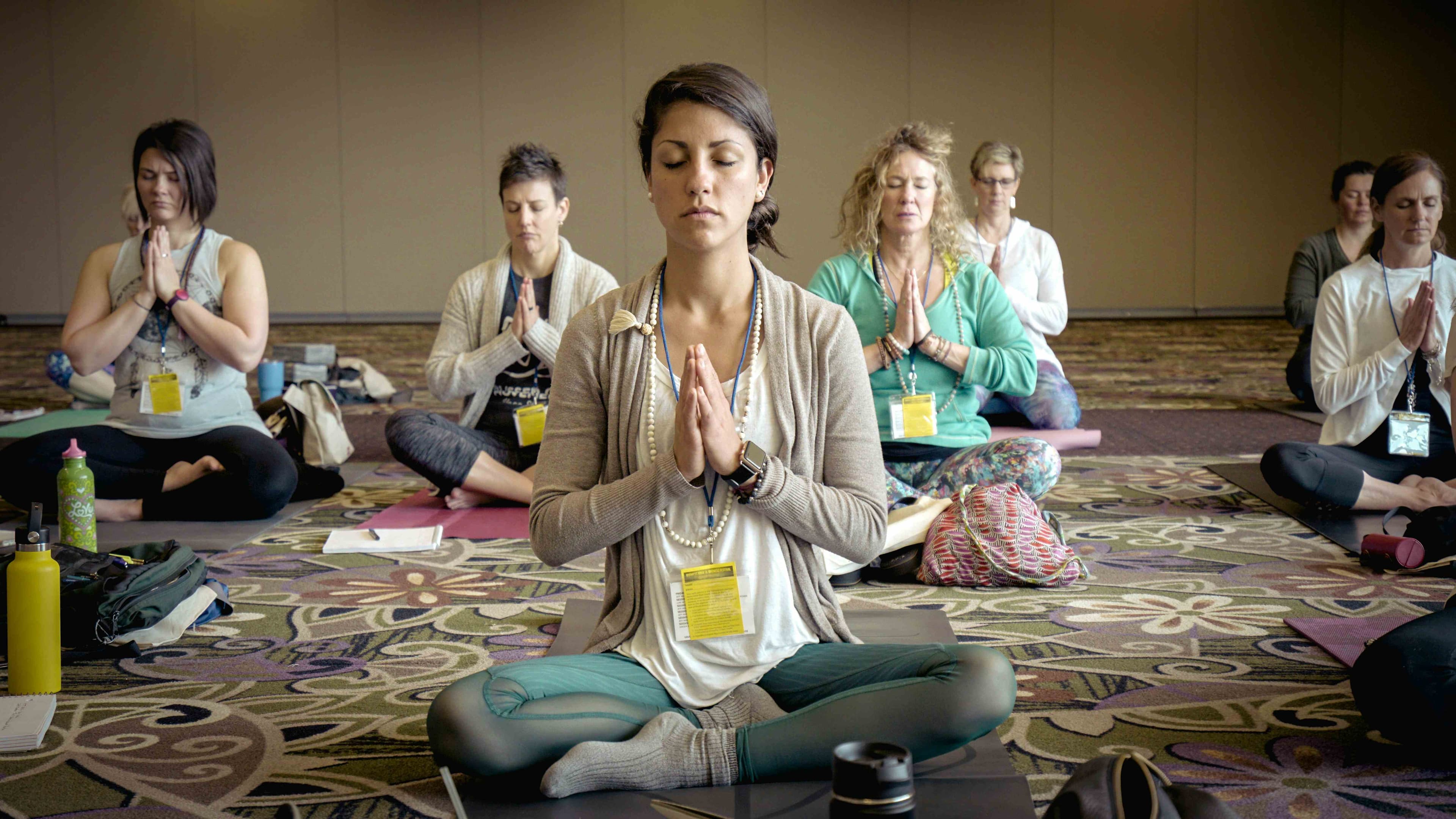
Begin with an entry-level mat class.
They do not need any equipment, and beginner Mat Pilates classes can be easily found online. It is better to focus on the basic notions: the neutral spine, the imprint position, lateral breathing, and pelvic stability. These are the foundations of all workouts you will ever perform with Pilates.
Form precedes intensity constantly.
Once you begin practising Pilates carelessly, it can result in tightened neck or back muscles. Any given ten minutes of clean movement is equivalent to 45 minutes of approximation. Should you feel confused or not know where you are heading, it is best to go through one or two sessions with a live instructor at the very beginning, as this will save you months of bad habit-forming.
Aim for 2 to 3 sessions per week
There are several accounts and statistics indicating that Pilates offers tangible benefits at least once a week. However, the maximum frequency is 2-3 sessions per week, where most novices experience flexibility and strength gains within 6-8 weeks. The 30-45-minute sessions are enough to begin with.
Not to play around with the breathing.
Going into pilates, breathing in through the nose to expand the ribcage on the side, and breathing out through the mouth to engage the deep core, is not merely a gratifying filler. It directly stimulates the muscles you are training. Leaving it out amounts to 30% of what Pilates is effective for.
Add cardio alongside it
Pilates is a strength method. It is not classified as cardio workouts. Pairing it with 150 minutes of moderate aerobic activity per week: walking, cycling, swimming, whatever you enjoy, is the way to enjoy all the health benefits of it.
Conclusion
Pilates is not only an exercise but a system for achieving a better, more balanced body, improving posture, flexibility, and concentration. Its light impact and conscious practice make it usable by virtually anyone, not only beginners or athletes but also people with injuries. Compared to most other conventional exercises that focus on surface muscles or cardio alone, Pilates is a workout that relies on deep balance to provide long-term strength, stability, and well-being.
Trending Now
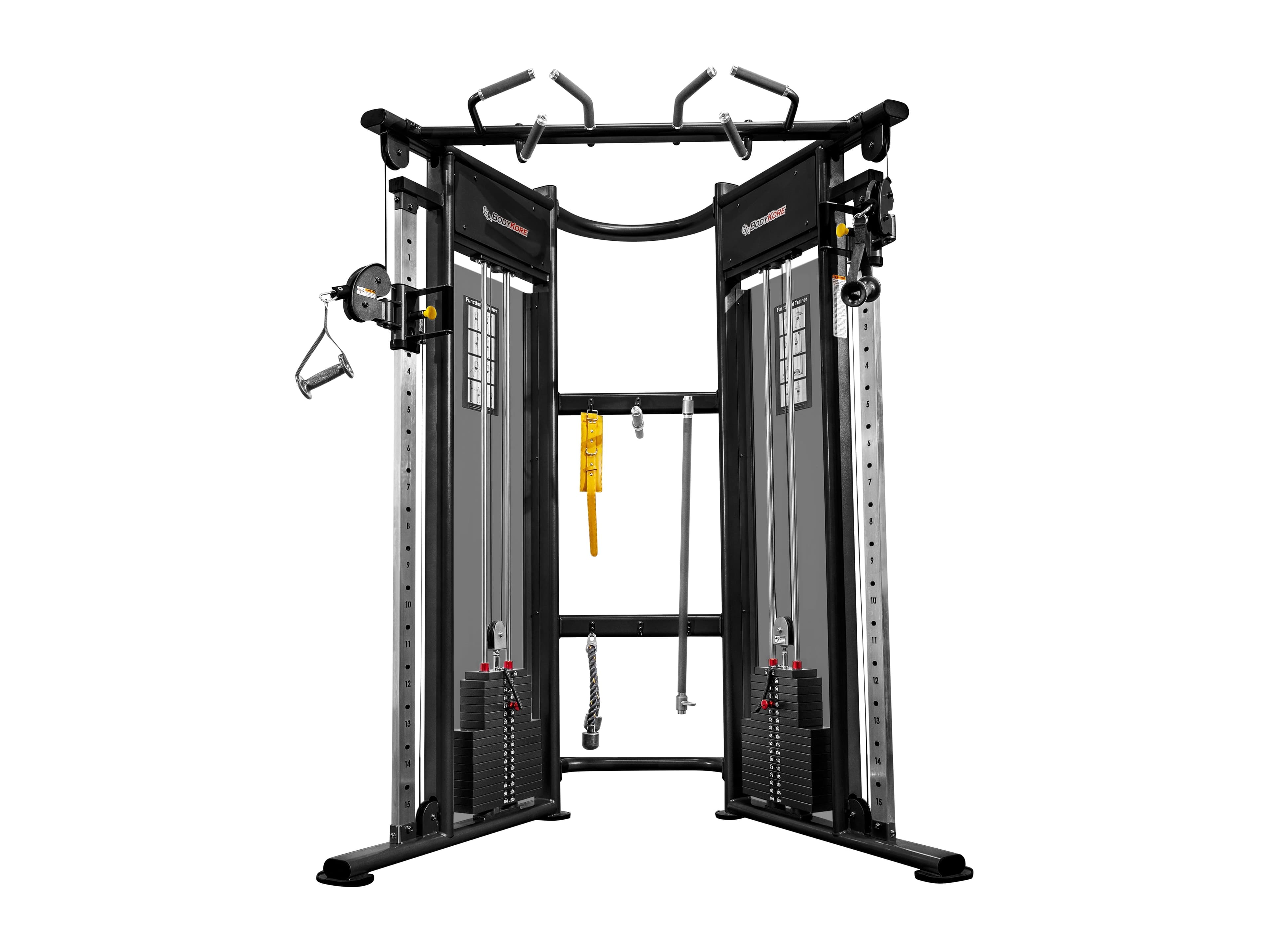
Single Pulley vs Dual Pulley Systems: Which Cable Setup Is Right for You?
Weight Stack vs Plate-Loaded Cable Machines: A Comparison
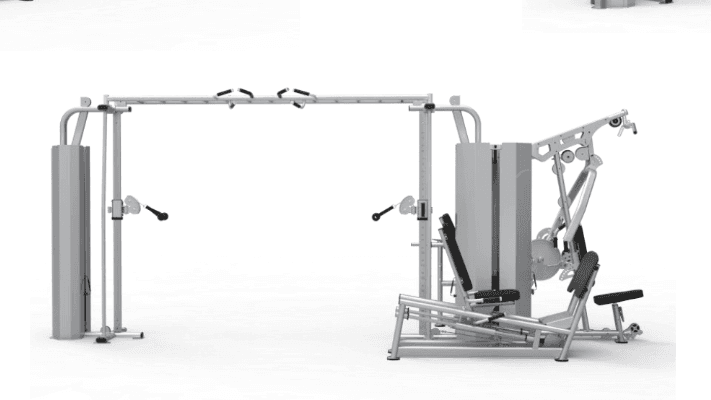
Cable Machines: The Complete Guide
Newsletter
Enter your email and be the first to get the latest blog posts, news, product launches and more from BodyKore.
Stay in the Know
Enter your email and be the first to get the latest blog posts, news, product launches and more from BodyKore.