

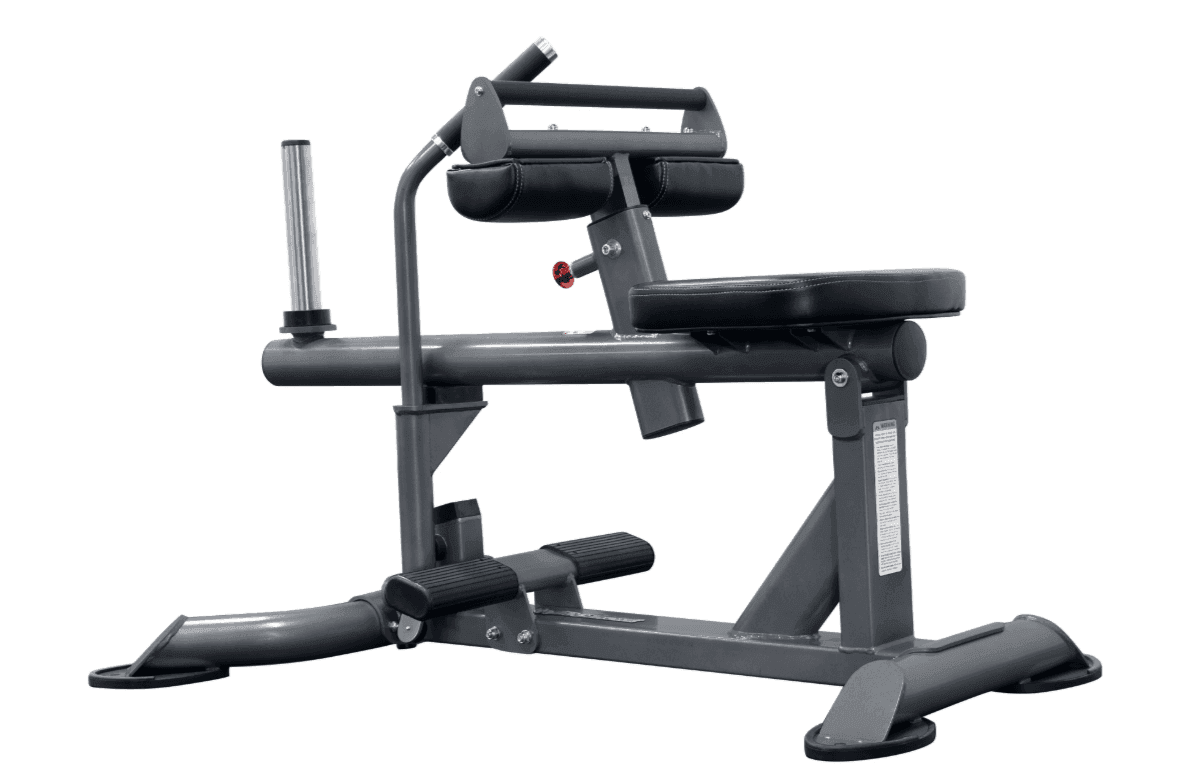
Let’s get real, those lower abs are more than just a workout. They can be a bit tricky to target. You might do crunches, hold planks, or try other core exercises, but still feel like your abs aren’t getting the attention they deserve.
That’s where the leg raise machine comes in. It’s simple, effective, and designed to help your lower abs do the hard work.
The leg raise machine guides your legs in a controlled motion, which makes it easier to focus on your abs without putting too much strain on your back.
Let us get straight into covering everything you need to know: how the machine works, common mistakes to avoid, ways to make the exercise more challenging, and tips to get the most from every rep.
What Muscles Does the Leg Raise Machine Target?
The leg raise machine primarily targets your abdominal muscles, putting special focus on the lower abs. The rectus abdominis, the main “six-pack” muscle running down the front of your stomach, does most of the work by lifting your legs and curling your pelvis.
At the same time, the obliques, which run along the sides of your abdomen, get involved to help with twisting and side movements, especially if you vary the motion slightly.
Your hip flexors also play a role by assisting in lifting your legs toward your torso, which makes the movement more effective for the abs. While the lower abs do the main work, your shoulders, arms, and grip muscles help stabilize your upper body to keep your body steady throughout the exercise.
How Do You Use the Leg Raise Machine Correctly?
Follow these steps to make sure you use the machine safely and get the best results:
Positioning: Sit or hang on the machine with your back against the pad. Hold the handles or bars shoulder-width apart to stabilize your upper body.
Starting posture: Keep your spine neutral and slightly bend your elbows if hanging. Engage your core by pulling your belly button in and slightly curling your pelvis.
Lifting: Slowly raise your legs by flexing at the hips and curling your pelvis upward. Avoid swinging or using momentum—control is key.
Range of motion: Lift your legs as high as you can without straining your lower back. Focus on curling your spine rather than just lifting your legs.
Lowering: Slowly lower your legs back to the starting position while keeping tension in your core.
Safety tips: Don’t arch your lower back or lift it off the pad. Keep your movements steady and breathe regularly.
Progression: Start with bent knees if straight-leg raises are too hard. Gradually move to straight legs as your core gets stronger.
Common Mistakes to Avoid on the Leg Raise Machine
The leg raise machine is excellent for targeting your abs, but many people make mistakes that reduce its effectiveness or even risk injury. Paying attention to proper form and controlled movements is essential to getting the best results.
Swinging Legs or Using Momentum
A common mistake is swinging your legs or using momentum to lift them. When you swing, your abs aren’t working as much because other muscles take over the effort. This can also strain your lower back. Instead, move your legs slowly and deliberately, focusing on using your abdominal muscles to lift and lower them. Controlled movement ensures your abs are doing the real work.
Arching the Lower Back Excessively
Another mistake is letting your lower back arch away from the pad. Excessive arching can put pressure on your spine and lead to lower back pain. Keep your back gently pressed against the pad or maintain a neutral spine throughout the exercise. This way, your abs remain engaged and your lower back stays safe.
Doing Too Many Reps with Poor Form
Some people try to do a high number of repetitions quickly, sacrificing form for quantity. This reduces the effectiveness of the exercise and increases the risk of injury. It’s far better to perform fewer reps with perfect control than many reps with sloppy technique. Focus on quality, steady movements, and full engagement of your core.
How to Increase Difficulty on the Leg Raise Machine?
Once you’re confident with the basic movement, there are simple ways to make the exercise more challenging and effective for building stronger abs.
Add Ankle Weights or Resistance Bands
Adding resistance, like ankle weights or bands, increases the load on your abdominal muscles and hip flexors. This extra challenge helps strengthen your core faster and makes each rep more effective.
Slow Down the Lowering Phase (Eccentric Movement)
Many people lift their legs carefully but let them drop quickly. Slowing down the lowering phase keeps your abs under tension for longer, improving muscle activation and growth. Controlled lowering is just as important as lifting.
Pause at the Top of the Lift
Holding your legs at the top of the movement for a few seconds increases the contraction in your abs. This intensifies the workout, making it more effective for shaping and strengthening your core.
How Often Should You Train Abs on the Leg Raise Machine?
Using the leg raise machine is very effective for strengthening your lower abs, but frequency and recovery are key. A good routine is to perform 3 to 4 sets of 10 to 20 repetitions per session, depending on your fitness level and goals.
Training your abs 2 to 3 times per week provides the right balance between challenging your muscles and allowing them time to recover. Recovery days are essential because this is when your muscles repair and grow stronger. Alternating leg raise workouts with other core exercises or rest days ensures that your abs develop efficiently without risking overtraining or injury.
Can the Leg Raise Machine Replace Other Ab Exercises?
While the leg raise machine is excellent for targeting the lower abdominals and hip flexors, it cannot completely replace other core exercises. For example, planks work the entire core, including deep stabilizing muscles that leg raises don’t engage as much.
Crunches primarily target the upper portion of the rectus abdominis, giving you a more balanced abdominal workout. Hanging leg raises are similar to the machine version but require more grip strength and shoulder stability.
The leg raise machine is best used as part of a comprehensive core routine, combined with planks, crunches, and other exercises, to achieve balanced core strength and stability.
Benefits of Using the Leg Raise Machine Regularly
Improves core strength and stability: Targets lower abs and hip flexors, helping build a strong, stable core.
Enhances posture and spinal support: Strengthened abs support proper spinal alignment and reduce lower back strain.
Boosts lower abdominal definition: Consistent use helps tone and sculpt the lower abs for a more defined midsection.
Supports balanced core development: Complements other ab exercises like planks and crunches for overall core fitness.
Safe and controlled workout: Provides guided movement that reduces risk of injury compared to some free-weight ab exercises.
Wrapping Up
The leg raise machine is a powerful tool to strengthen and define your lower abs while supporting overall core stability. By focusing on proper form, avoiding common mistakes, and gradually increasing difficulty, you can maximize the benefits safely. Incorporating it into a well-rounded core routine alongside other exercises ensures the best results, giving you improved strength, better posture, and a more sculpted midsection over time.
Ready to take your core workouts to the next level? BodyKore is here for expert guidance and the support you need to make every rep count and achieve real results.
Trending Now
Single Pulley vs Dual Pulley Systems: Which Cable Setup Is Right for You?
Weight Stack vs Plate-Loaded Cable Machines: A Comparison
Cable Machines: The Complete Guide
Newsletter
Enter your email and be the first to get the latest blog posts, news, product launches and more from BodyKore.
Stay in the Know
Enter your email and be the first to get the latest blog posts, news, product launches and more from BodyKore.