

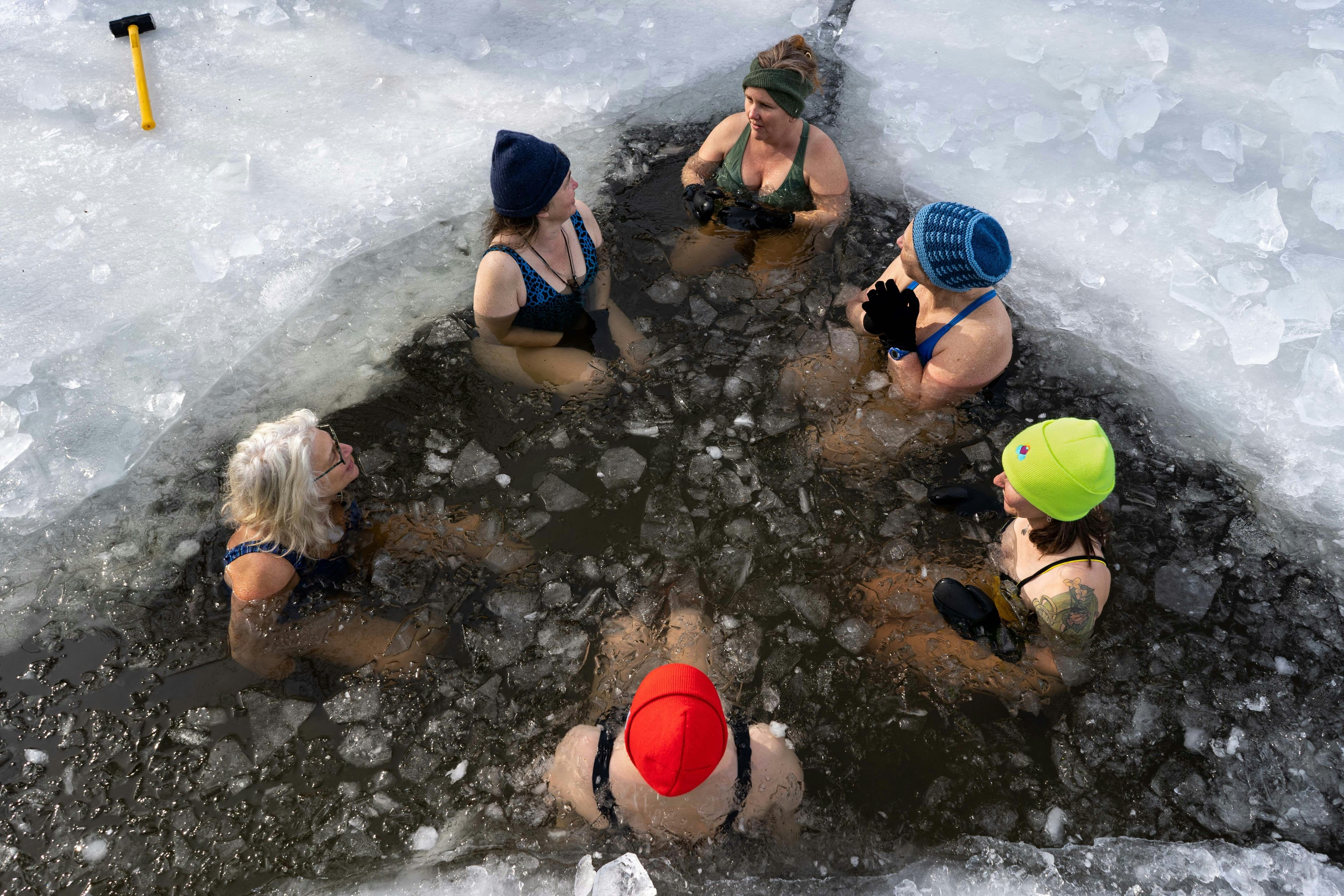
Why is there all the hype about the cold plunges in recent times, then? Whether it is a pro athlete or a wellness influencer, all of them are seen dunking into ice water and doing so with a reason. Cold plunge is not merely a wellness trend but a conscious exposure to cold to induce a shock and get your body in its high-performance mode and accelerated recovery.
As soon as you come into cold water, the automatic mechanisms of your body start working, your blood flows to cover your center, breathing becomes more acute, and your head immediately wakes up. This body response is beneficial to minimize inflammation, hasten muscle recovery and enhance concentration even after leaving the tub.
Simply put, these few minutes of cold pain can be the only way to recover faster and be more mentally sound. But how long are you supposed to remain in the cold to achieve these benefits and not to exceed them? Let’s break that down next.
How Long Should You Stay in a Cold Plunge?
The success of the cold plunge is more or less dependent on the duration of stay in the water. A length too short can restrict the benefits of recovery, whereas too long can be hazardous to health, like hypothermia or excess demands on the cardiovascular system. The best time can be determined according to the experience, the temperature of the water and the tolerance of a person.
For Beginners (1–3 Minutes)
The beginners are supposed to begin with 1 to 3 minutes in order to enable the body to get accustomed to it. Short exposures will cause minimal shock to the system, but will still offer initial recovery benefits. Early sessions should have a slightly higher temperature of water, about 1520 °C (5968°F). The initial response of the body to cold can be managed through controlled breathing that is focused.
Intermediate and Advanced Users (3-6 Minutes)
After getting used to cold plunging, one can go up to 3-6 minutes. This is an effective time in alleviating soreness of the muscles, managing inflammation and improving mental acuity. The body can now regulate its reaction to cold more effectively at this stage, so that one can be comfortable with a longer duration of exposure to cold without adverse effects.
Professional Athletes and Experienced Users (6 -10 Minutes)
Seasoned people or professional athletes can be safely allowed to stay in a cold plunge of 6-10 minutes. To the right side of this range, hypothermia or excessive stress will be thereby threatened, and further advantages will not be significant. Long-term sessions should be guided by the professional and phased out.
Key Factors That Affect Ideal Duration
The optimal cold plunge time depends on a number of factors:
Water temperature: Colder water means that it needs less time.
Experience level: Less experienced people should have shorter sessions; more trained ones can safely have longer ones.
Body composition: Thin people can lose heat faster.
Plunging frequency: Tolerance can be achieved through regular practicing.
The plunge purpose: Recovery, wellness or performance objectives might have different lengths.
Ice Bath Duration by Temperature Range
One of the most essential points in the time you should spend in a cold plunge is the temperature of the water. The varying temperatures need different exposure periods to get the maximum benefits, at the same time being safe.
Mild Cold (15–20°C / 59–68°F) – Gentle Start for Recovery
Mildly cold water is a good way of easing a person into cold plunging, which is why it is the best option when one is a beginner or tries to have a less intensive recovery session. Within this range, the duration of time that is usually safe in the water is 5-10 minutes.
This lower temperature also helps the body to become gradually used to it without straining the nervous or cardiovascular systems so much. These sessions will be able to assist in recovery as they will boost circulation and ease a little muscle ache.
Moderate Cold (10–14°C / 50–57°F) – Optimal Range for Benefits
The moderate cold range of water is the one that is said to be the most effective in terms of therapy and recovery. The duration of time spent on the exercise is not too long, as in the case of most people, 2-10 minutes is enough to enjoy the desired effect, such as less inflammation, better circulation, and increased mental activity.
This temperature range can be considered a compromise between efficacy and safety, and beginners (at the lower end of the time range) as well as experienced users (at the higher end) may enjoy the benefits of a cold plunge.
Extreme Cold (Below 10°C / 50°F) – For Trained and Conditioned Individuals
Intense cold water subjects the user to the greatest exposure, and only experienced or trained users should use extremely cold water. The first sessions must last between 1 and 5 minutes, and the response of the body should be closely observed. A prolonged stay at this level may pose a great danger of hypothermia, numbness, and other cold-related illnesses. Anyone who is going to work in this temperature range must be able to control their breathing and adapt gradually, and the most important thing is always safety.
How Often Should You Cold Plunge?
The number of cold plunging sessions is a very important factor in the realization of recovery, wellness, and performance outcomes. The ideal timing is supposed to be based on your objectives, your level of experience and your level of exercise.
Ideal Frequency for Recovery and Wellness
Cold plunging should be done 1 to 3 times a week in order to achieve general wellness and recovery. Amateurs need to begin with 1 or 2 sessions a week so that their body gets used to it. Frequent exercise people can rise up to 23 sessions, the professional athletes or the persons with high training volumes can plunge up to 5 times in a week based on their tolerance and recovery facilities.
Daily vs. Weekly Cold Plunging
Cold plunges can take place daily, but not necessarily be effective. The repeated exposure, particularly after the strength training, can disrupt the muscle adaptations. Once or a couple of times a week is often safer in the long term with regard to recovery and well-being, especially in people new to cold plunging or those who are using it as a general health boost.
Expert Recommendations Based on Goals
Experts indicate a contingency of frequency to specific goals:
Prevention of injury and recovery of muscles: 2-3 sessions a week, preferably following high-intensity exercises.
Wellness/mental clarity: 1- 3 sessions per week, with an emphasis on regular practice, not on time.
Sport activity: The maximum number of sessions is 5 per week with an additional check on the individual response to cold exposure.
Symptoms: You Have Spent Too Long in a Cold Plunge.
The most important aspect to prevent any negative outcomes is being aware of the warning signs of overexposure to prevent any adverse effects and plunge into cold safely.
Physical Warning Signs
Swimming shivering, or involuntary tremors.
Numbness in extremities
Lightheadedness or dizziness.
Blue or pale lips and fingers
Disorientation or Coordination loss.
The Safest Way to Get Out and Heat Up after Plunging.
Get out of the cold water slowly so that the body is not stressed suddenly.
Do not take hot showers instantly, but warm up with pieces of clothing or blankets.
Slow down the body and keep it at a normal temperature of core temperature.
The Reason Overexposure Will Backfire
Spending too much time in cold water raises the chances of hypothermia, frostbite, and extreme exhaustion. It is also able to overcome the recovery benefits and subject the body to extreme stress. Time keeping and physical sensations provide the assurance that cold plunging is a safe and viable experience.
Mistakes to Be Wary of in Cold Plunging.
Cold plunging is a great method to use, but it should be done with proper technique or it may not have any benefits or even be dangerous to health. The knowledge of the mistakes that are usually made guarantees the safe and fruitful practice.
Starting Too Cold Too Soon
Plunging into very cold water without acclimatization may cause shock to the body, overstimulate the heart rate and even cause dizziness or passing out. Novices are advised to start at lower temperatures and with shorter periods, moving towards higher ones as they get used to it.
Ignoring Recovery Windows
The cold plunge right after each workout or excessive cold plunging without enough rest may interfere with the process of muscle adaptation. Planning the sessions with adequate rest periods will enable the body to react well, and this will lead to healing and improvement in performance.
Remaining Longer to “Maybe Toughness Prove It Out”
Excessive exposure in the form of long periods exceeding the recommended limits is neither beneficial but rather hazardous. There is a risk of hypothermia, lack of sensation, and loss of concentration, which may reverse the desired recovery or wellness outcomes of trying to push limits.
Ways to Add More Time to Your Ice Bath.
The safe way to progress in cold plunging involves using planned measures that would improve tolerance without affecting health.
Gradual Adaptation: Add time in the cold water gradually during several sessions in order to get your body used to it safely.
Controlled Breathing: Deep, steady breathing is the technique of dealing with the first cold shock and endurance.
Mental Focus: Be mindful and mindful of what your body feels so that you do not overdo it.
Temperature Control: It is recommended that you begin at slightly warmer water and then you reduce the temperature gradually as you become more tolerant.
Safety Measures: There should be an agreed time limit, an exit plan, and one should watch for any symptoms of overexposure.
Conclusion
The cold plunging is an effective method in recovery and inflammation, and mental clarity, yet the impact of cold plunging is dependent on duration, frequency, temperature, and safety consciousness. Being a beginner or a more advanced athlete, all that is needed is to take it slow, watch your body, and be consistent.
Get your recovery and wellness to the desired next level?
To learn how to make a cold plunge safe and effective and get step-by-step instructions and professional advice on how to succeed in it, visit additional materials and useful ideas at BodyKore. You will be glad for your body and brain.
Trending Now
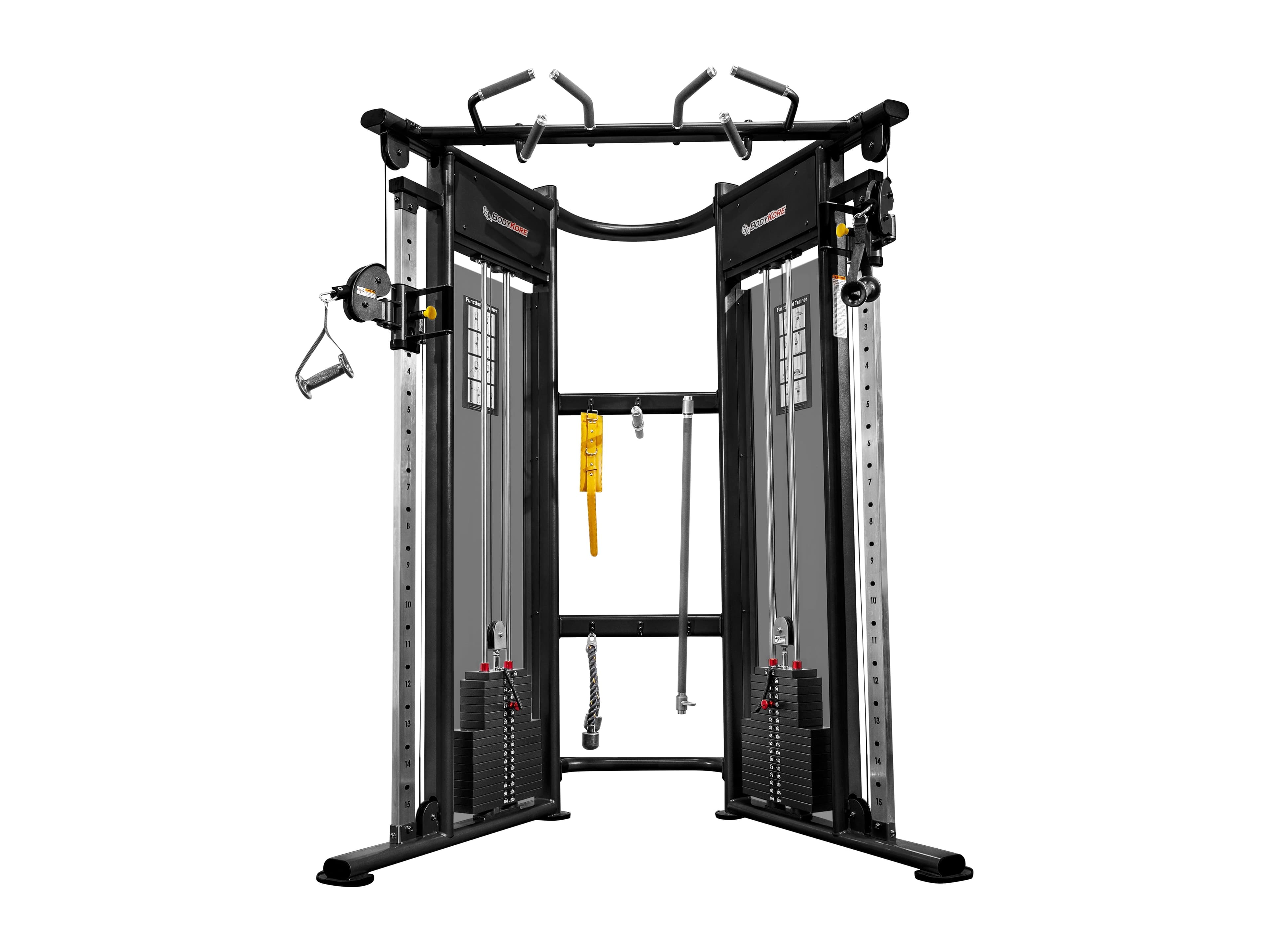
Single Pulley vs Dual Pulley Systems: Which Cable Setup Is Right for You?
Weight Stack vs Plate-Loaded Cable Machines: A Comparison
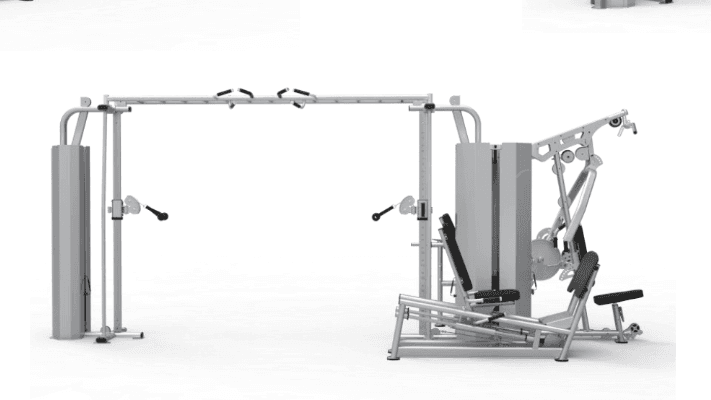
Cable Machines: The Complete Guide
Newsletter
Enter your email and be the first to get the latest blog posts, news, product launches and more from BodyKore.
Stay in the Know
Enter your email and be the first to get the latest blog posts, news, product launches and more from BodyKore.