


Working out is fun for most people who love the gym. But taking a break is just as important. That’s because real progress occurs when your body has time to rest. During rest, your muscles repair and grow stronger. And the best way to help your body recover? Sleep.
Sleep isn’t just about feeling less tired. It helps your muscles heal, grow, and maintain optimal body function. If you don’t sleep enough, all your hard work at the gym might not show the results you want.
We’re here to help you understand why sleep matters so much for recovery and muscle growth and how you can use it to reach your fitness goals faster.
The Science Behind Muscle Recovery
After a good workout, your muscles need time to recover, and it is during this period that real progress occurs. When you exercise, especially with heavy weights or high intensity, tiny tears form in your muscle fibers. Don’t worry, that’s a regular part of getting stronger.
Your body quickly responds by sending more blood to the area, bringing oxygen and nutrients while clearing out waste. Then, special repair cells step in to rebuild the damaged tissue, making your muscles stronger than before. This entire process is referred to as muscle recovery. A key part of it is protein synthesis. Your body uses protein from the food you eat to repair and build new muscle.
That’s why eating protein after a workout is so important. Consuming around 20 grams of high-quality protein every few hours can be particularly beneficial. Plus, your body releases helpful hormones like growth hormone and testosterone to boost recovery. If your body makes more muscle than it breaks down, you get stronger over time.
Therefore, proper rest, sufficient sleep, and a balanced diet, especially one rich in protein, are essential. They don’t just help your muscles recover; they also reduce soreness support injury prevention, and can ease common issues like low back pain, keeping you feeling your best.
The Role of Sleep in Recovery
Sleep is a key part of muscle recovery because it helps your body repair and rebuild muscle tissue. When you sleep, especially during deep sleep, your body releases growth hormone (GH), which helps fix the tiny tears in your muscles that happen during exercise. This is when your muscles get stronger and grow. Deep sleep, also known as slow-wave sleep, is a state in which your body focuses on healing and recharging.
But sleep isn’t just important for your muscles. REM (Rapid Eye Movement) sleep is crucial for your brain. During REM sleep, your brain processes memories, clears out toxins, and helps you stay mentally sharp. This makes REM sleep just as important for recovery as deep sleep. Therefore, obtaining both deep sleep and REM sleep is crucial for your muscles and mental well-being.
Hormonal Response to Sleep
Just like protein helps your muscles heal after a workout, your hormones also play a big role in recovery, especially when you sleep. One crucial hormone is growth hormone (GH). It helps build and repair muscle and is mainly released during deep sleep, typically in the first few hours of the night. This is when your body does most of its repairing, making you stronger for the next day.
On the other hand, there's cortisol, often referred to as the stress hormone. While it’s okay in small amounts, too much cortisol can slow down your recovery. Normally, cortisol levels decrease at night, allowing your body to rest. However, if you're stressed or not getting enough sleep, cortisol can remain elevated, which makes it more difficult for your muscles to heal and grow.
Sleep Duration for Optimal Muscle Recovery
For optimal muscle recovery, aim for 7-9 hours of sleep each night. The amount of sleep you need may vary depending on your level of activity and fitness goals. If you’re training intensely or working to build muscle, you may need more rest. During sleep, your body works hard to repair muscle fibers and restore energy, which is crucial for improving strength and muscle growth.
Effects of Inadequate Sleep on Performance and Muscle Growth
Inadequate sleep hampers performance and muscle growth. When you don’t get enough rest, your muscles don’t have the time they need to recover properly. It is the reason for the reduced strength, slower muscle growth, and increased fatigue during workouts. Additionally, sleep deprivation can lead to a decrease in motivation and an increased sense of exhaustion, ultimately affecting your overall performance in the gym. The less sleep you get, the harder it is for your muscles to repair, and the harder it becomes to push yourself in future training sessions.
Impact of Sleep Cycles on Recovery Efficiency
Sleep should be both in terms of quantity and quality. Deep sleep (slow-wave sleep) and REM sleep are the most important for recovery. During deep sleep, your body repairs muscle tissue and releases growth hormone, a vital component for muscle recovery and growth. On the other hand, REM sleep plays a crucial role in cognitive recovery, helping to restore your brain, memory, and mood. Both sleep stages are essential for adequate recovery, and getting a full night of restful sleep that includes both deep sleep and REM sleep helps ensure your muscles and mind are both fully restored.
Consequences of Sleep Deprivation on Muscle Growth
When you don’t get enough sleep, it can have several adverse effects on your muscle growth. Protein synthesis, the process of building new muscle tissue, slows down, which means your muscles won’t recover or grow as efficiently. Sleep deprivation also increases the breakdown of muscle proteins, making it harder for you to see progress.
Not getting enough sleep can also make you more susceptible to injuries and overtraining, as your body doesn’t have the time it needs to repair itself fully. Beyond physical effects, sleep deprivation impacts your focus, motivation, and overall mental performance, making it more challenging to stay sharp during workouts and daily activities.
Sleep Tips for Better Muscle Recovery
That being said, sleep is a must for every fitness warrior. However, maintaining a regular sleep schedule is a blessing and not always easy to adhere to. So, how can you improve your sleep for maximum muscle recovery? Here are simple and effective tips to follow :
Stick to a consistent sleep schedule – Try going to bed and waking up at the same time every day, even on weekends. This helps your body build a healthy rhythm and improves sleep quality.
Create a sleep-friendly environment – Keep your room calm, dark, and quiet. Use blackout curtains, turn off bright lights, and remove electronics from your bedroom.
Limit screen time before bed – Phones, TVS, and laptops emit blue light that can disrupt your sleep. Avoid screens at least an hour before bedtime.
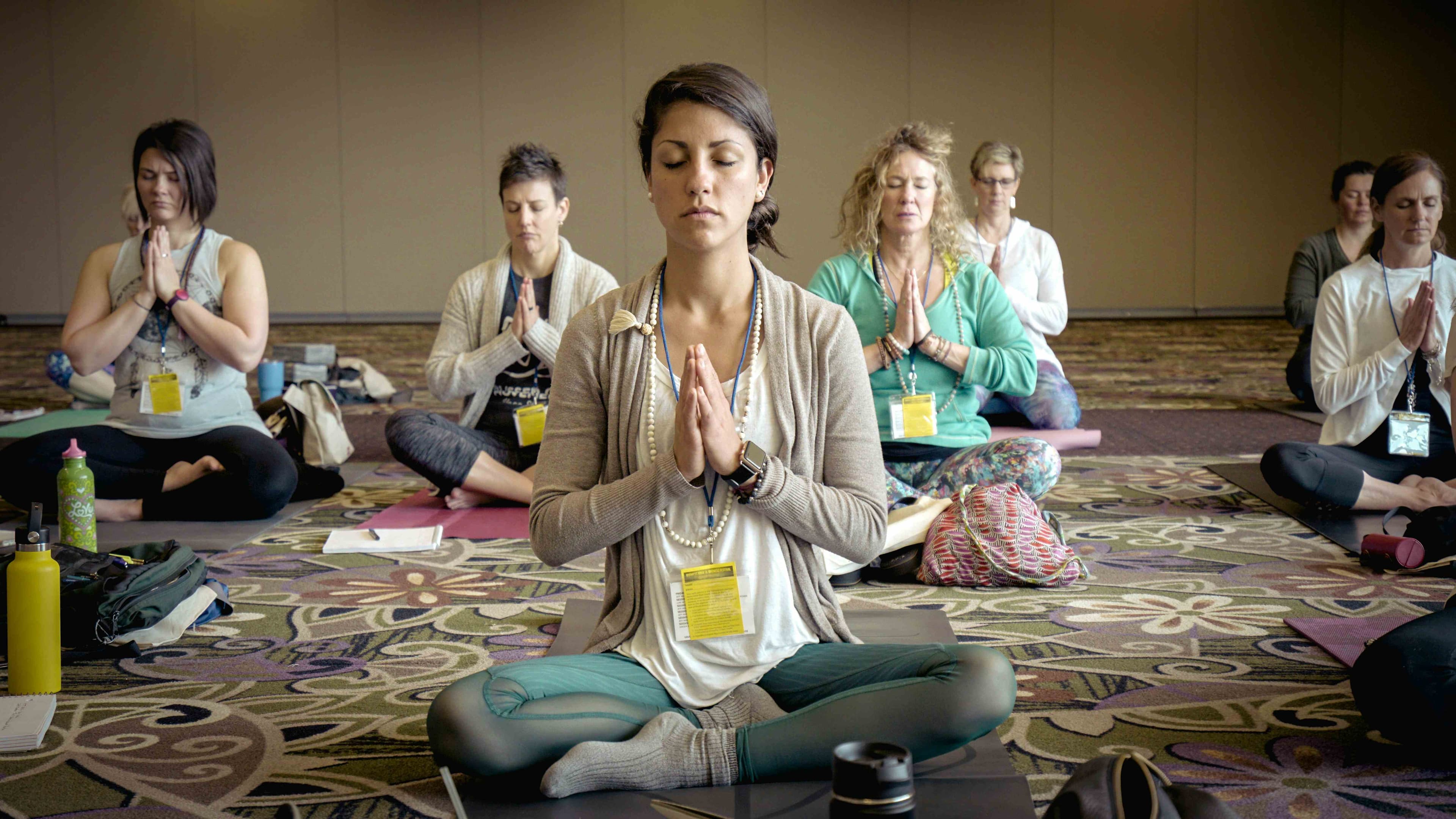
Practice relaxation before sleep – Try deep breathing, stretching, meditation, or listening to calming music. These can help your mind and body relax.
Avoid heavy meals, caffeine, and alcohol at night – Overeating or consuming caffeine or alcohol late in the evening can make it harder to fall or stay asleep.
Wrap Up
Sleep isn’t just about resting; it helps your muscles grow, your body recover, and your mind stay sharp. If you don’t get enough sleep, all your hard work in the gym won’t show its full results. So, make sure to get enough rest, it’s a key part of your fitness journey.
Make sleep a priority for better recovery and better results. Sleep well, train hard, and get stronger with BodyKore by your side.
Trending Now
Single Pulley vs Dual Pulley Systems: Which Cable Setup Is Right for You?
Weight Stack vs Plate-Loaded Cable Machines: A Comparison
Cable Machines: The Complete Guide
Newsletter
Enter your email and be the first to get the latest blog posts, news, product launches and more from BodyKore.
Stay in the Know
Enter your email and be the first to get the latest blog posts, news, product launches and more from BodyKore.