

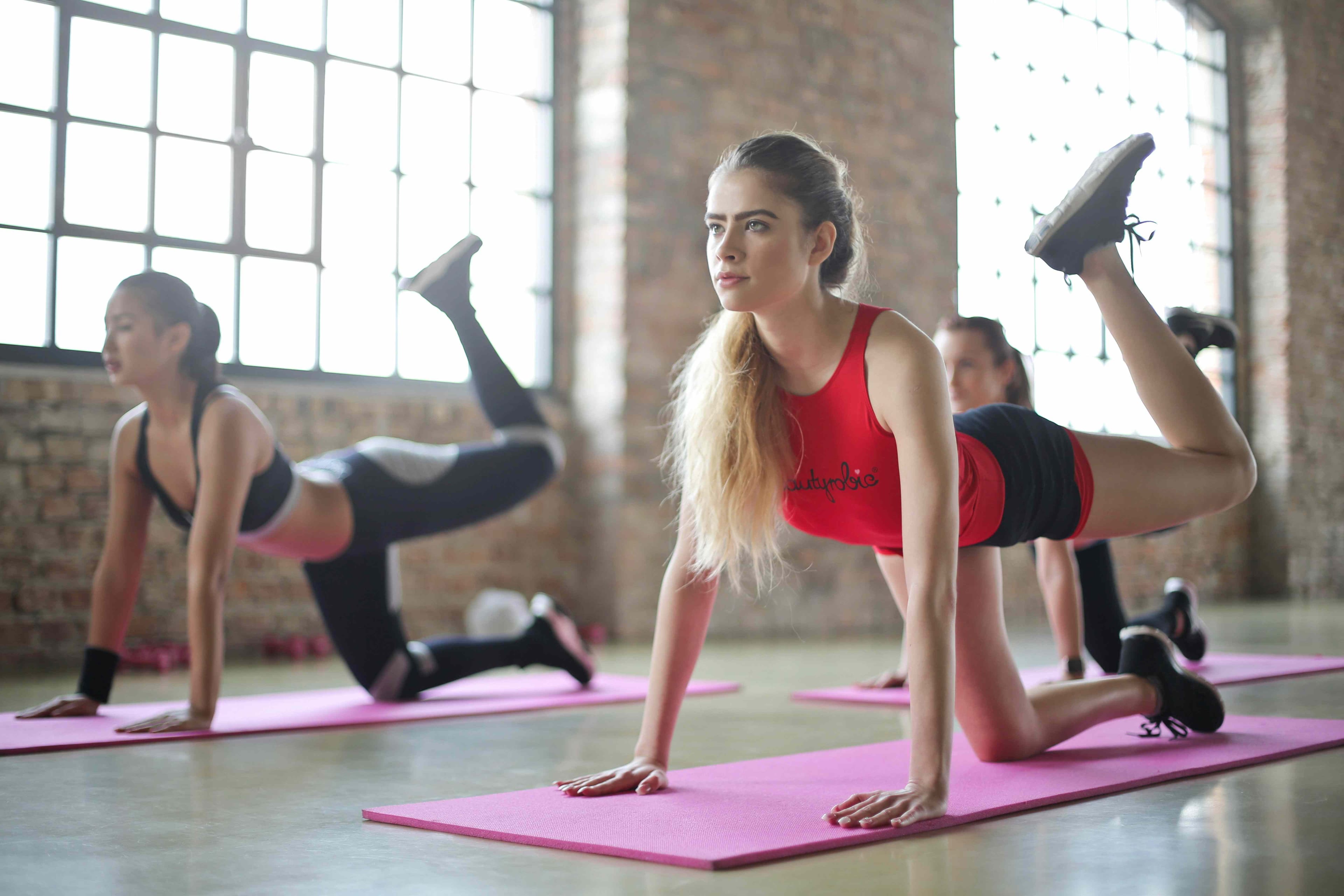
Yes. It is safe. The US Department of Health and Human Services Office on Women's Health confirms this directly. But that one-word answer skips everything actually useful about this topic.
The more interesting questions are: does exercise during menstruation do anything good for you, does it change depending on where you are in your cycle, does hormonal variation affect how hard you can push, and when does uncomfortable period pain cross into something that warrants medical attention rather than a workout?
Those questions have real, research-backed answers worth knowing. A 2024 network meta-analysis published in Sports Medicine reviewed 29 randomised controlled trials covering 1,808 participants and confirmed that multiple types of exercise meaningfully reduce menstrual pain. A 2025 randomised controlled trial in BMC Women's Health found that structured exercise programs improved menstrual symptom scores, fatigue levels, plus sleep quality compared to control groups. The physiological case for moving during your period is strong.
That said, the blanket "just push through it" advice is also wrong. Hormonal shifts across the menstrual cycle affect muscle strength, body temperature regulation, ligament laxity, plus aerobic capacity in ways that matter for both performance and injury risk. This guide covers all of it.
The Quick Rundown
Exercise during your period is safe and often beneficial. The US Office on Women's Health confirms no contraindication to exercise during menstruation for healthy individuals.
Prostaglandins cause cramps, and exercise directly counters them. Aerobic movement releases endorphins, which modulate pain perception through opioid receptor activation. Exercise also improves blood flow to the uterus, which reduces the ischemia that makes cramping worse.
The 2024 Sports Medicine meta-analysis (29 RCTs, 1,808 participants) confirmed exercise works for dysmenorrhea. Relaxation exercise produced the largest 4-week pain reduction. Aerobic activity, yoga, and strength training all showed significant effects at 8 weeks.
Regular exercise over months reduces period pain more than day-of exercise alone. Athletes and consistently active women report lower incidence and severity of primary dysmenorrhea than their sedentary counterparts.
The follicular phase (roughly days 1 to 14) is the optimal window for high-intensity training. Estrogen is rising and progesterone is low, meaning strength adaptations are higher, body temperature is lower, and aerobic performance is at its peak.
ACL and ligament injury risk increases around ovulation. Peak estrogen levels reduce ligament stiffness. Women are 3 to 6 times more likely than men to sustain ACL injuries, and the risk is highest at mid-cycle when estrogen peaks.
The luteal phase raises core body temperature by 0.3 to 0.5 degrees Celsius. This affects heat tolerance and endurance performance. Outdoor endurance training in heat during the luteal phase requires more careful hydration and pacing.
Secondary dysmenorrhea needs medical evaluation, not just exercise modification. Pain caused by endometriosis, fibroids, or adenomyosis behaves differently from primary dysmenorrhea and requires diagnosis before being managed with lifestyle measures alone.
Why Periods Are Painful (The Prostaglandin Mechanism)
Understanding why cramps happen explains exactly how exercise helps.
Before and during menstruation, the uterine lining produces hormone-like compounds called prostaglandins. Their job is to trigger uterine muscle contractions that shed the lining. High prostaglandin concentrations narrow blood vessels within the uterine wall, restricting oxygen delivery to the muscle tissue. That combination of forceful contraction plus reduced oxygen creates the cramping pain most people know well.
The pain can radiate into the lower back and inner thighs because the uterus shares nerve pathways with surrounding structures. Nausea, diarrhoea, plus headaches during menstruation are also driven by prostaglandins circulating beyond the uterus and affecting the gastrointestinal system.
Primary dysmenorrhea (the type with no underlying pelvic pathology) affects somewhere between 45 and 97 percent of menstruating women depending on the population studied. It typically begins in adolescence and peaks in the early twenties. Secondary dysmenorrhea, which looks similar but is caused by conditions like endometriosis, uterine fibroids, or adenomyosis, tends to worsen with age and requires diagnosis and treatment beyond lifestyle management.
How Exercise Reduces This Pain
Exercise intervenes in the prostaglandin mechanism at two distinct points.
First, aerobic movement releases beta-endorphins. These endogenous opioid peptides bind to the same receptors as morphine and reduce pain perception. The Marion Gluck Clinic notes that endorphin release during exercise has been compared to the pain relief level of morphine, which is a striking comparison but grounded in the receptor-binding pharmacology. Any sustained moderate aerobic activity generates endorphin release. You do not need to work at high intensity to get this effect.
Second, increased blood flow from exercise delivers more oxygen to contracting uterine tissue, countering the ischemia that amplifies the pain signal. Circulation to the pelvis and lower back improves with movement. Sitting still allows the restricted circulation pattern to persist.
Exercise also appears to reduce prostaglandin levels directly over time, based on a 2025 scoping review on therapeutic exercise for dysmenorrhea. Consistently active women tend to report less severe menstrual pain across the board, not just on the days they exercise.
What the Research Actually Shows
The research on exercise and menstrual pain has grown substantially in recent years and is now well past anecdote.
The 2024 Meta-Analysis
The most comprehensive recent evidence comes from a 2024 network meta-analysis published in Sports Medicine (the journal from the same publisher group as Nature). The researchers analysed 29 randomised controlled trials covering 1,808 participants with primary dysmenorrhea.
Exercise interventions included relaxation exercise, strength training, aerobic activity, yoga, mixed exercise programmes, and the Kegel manoeuvre. All produced statistically significant reductions in pain compared to control groups. Relaxation exercise (slow, controlled stretching combined with breathing) produced the largest 4-week effect (mean difference of 3.56 on a 10-cm pain scale). At the 8-week mark, the differences between modalities narrowed, suggesting that consistency over weeks matters more than exercise type.
Long-Term Effects vs Day-Of Relief
This is the distinction most articles miss. Day-of exercise provides real but temporary pain relief through endorphin release and improved circulation. Regular exercise over weeks and months produces a different, cumulative benefit: reduced prostaglandin secretion, improved uterine blood flow as a baseline, plus lower pain severity across cycles.
A 2024 systematic review and meta-analysis on therapeutic exercise for primary dysmenorrhea concluded that exercising for a minimum of 8 weeks, with sessions occurring more than three times weekly and lasting longer than 30 minutes, produced the most consistent results. The goal was to accumulate a minimum of 90 minutes of exercise weekly. That figure is achievable for most people and does not require anything beyond walking, yoga, or a moderate gym routine.
The 2025 BMC Women's Health randomised controlled trial confirmed the cumulative effect: structured exercise programs over 8 to 12 weeks significantly improved menstrual symptom scores and reduced fatigue, alongside improved sleep quality, compared to control groups who did not exercise regularly.
Exercise Through the Menstrual Cycle
Most conversation about exercising on your period focuses on the menstruation phase, which is roughly days 1 to 5. But the menstrual cycle is 28 to 35 days long, and hormonal variation across the full cycle affects exercise capacity, recovery, plus injury risk in ways worth understanding.
Menstrual Phase (Days 1 to 5)
Estrogen and progesterone are both at their lowest. Physically, this means energy may be reduced, body temperature is at its minimum for the cycle, and strength output can feel compromised. The Frontiers in Endocrinology 2025 narrative review notes that many female athletes report their worst exercise performance during the early follicular (menstrual) phase, though the research is mixed on whether measurable physiological differences fully account for this.
What is consistent: if you are experiencing significant menstrual symptoms, lowering intensity is appropriate. The body is doing substantial physiological work during active menstruation, and demanding peak athletic output on top of that is unnecessary. This is the phase for light to moderate movement, walking, yoga, gentle swimming, or restorative stretching.
That said, many people find their workouts feel surprisingly manageable during menstruation once they start. The common barrier is motivation and comfort, not physical incapacity. Getting started is usually harder than continuing.
Follicular Phase (Days 6 to 13)
As estrogen rises through the follicular phase, energy increases and mood often improves. The body enters a window of enhanced anabolic capacity. Research has found that strength training during the follicular phase produces greater increases in muscle strength compared to training during the luteal phase. The proposed mechanism is that rising estrogen has an anabolic effect on skeletal muscle and facilitates glycogen storage.
This is the phase to prioritise high-intensity work: strength training, interval sessions, speed work, long runs, plus competitive events. Recovery is also faster. Body temperature is at its cycle low, which means better heat tolerance during outdoor or hot-environment exercise.
One important caveat: as estrogen peaks approaching ovulation (around day 12 to 14), ligament laxity increases. Research confirms that women are 3 to 6 times more likely than men to sustain ACL injuries, and the risk is highest at pre-ovulatory estrogen peak. Thorough warm-ups, attention to landing mechanics, and avoiding extreme range-of-motion movements during this specific window is sensible precaution for sports involving cutting, jumping, or pivoting.
Ovulatory Phase (Around Days 12 to 16)
At ovulation, estrogen peaks then drops. Luteinising hormone surges. For most people, this phase feels good for exercise, energy is high and mood is often positive. Athletic performance tends to be at its best.
The ligament laxity caveat applies here most strongly. If you are doing agility-based sports, martial arts, basketball, or any activity involving rapid changes of direction and landing loads, the pre-ovulatory window is the highest injury risk point of the cycle. Longer warm-ups and conscious attention to knee alignment during landing are worth building into training during this window.
Luteal Phase (Days 17 to 28)
The luteal phase brings rising progesterone alongside a secondary estrogen rise. The combined effect includes an elevation in basal body temperature of 0.3 to 0.5 degrees Celsius. This sounds minor but has meaningful consequences for endurance training: the body reaches its heat threshold faster, sweating begins at a lower external temperature, and perceived effort at any given pace increases.
The Frontiers in Endocrinology review confirms that aerobic performance tends to be lower in the mid-luteal phase than in the follicular phase, with the effect being most pronounced in hot-environment training. For outdoor endurance athletes, this means the same run at the same pace will feel harder in the luteal phase, particularly in warm weather. Adjusting effort rather than maintaining pace is the physiologically intelligent response.
Progesterone also has anti-oestrogenic effects that partially cancel the anabolic benefits of estrogen on skeletal muscle. Strength gains from training during the luteal phase are generally lower than gains from follicular phase training at equivalent loads. This does not mean avoiding strength training during the luteal phase. It means the follicular phase is where to concentrate peak effort and heavy loads.
Towards the end of the luteal phase, as both hormones drop, premenstrual symptoms (PMS) appear for many people: bloating, mood changes, breast tenderness, plus fatigue. Aldosterone, a hormone that causes salt and water retention, contributes to the bloating. Moderate exercise has been shown to lower aldosterone levels, which is one mechanism by which staying active reduces the physical discomfort of the premenstrual days.
Best Exercises to Do During Your Period
During the menstrual phase specifically, the exercises most consistently supported by research and clinical practice are the ones that combine gentle circulatory benefit with low demand.
Walking
A 20 to 30 minute walk is the lowest-barrier, highest-return option for days when cramps are at their worst. Gentle aerobic movement increases pelvic circulation, reduces prostaglandin build-up, and generates endorphin release without significant metabolic demand. Pace does not need to be fast. A comfortable conversational pace is physiologically sufficient for the pain-reduction benefit. Outdoors adds the mood benefit of natural light exposure, which independently helps with the mood dip many people experience during menstruation.
Yoga
Yoga appears consistently across the research as particularly effective for menstrual pain. The 2024 Sports Medicine meta-analysis confirmed yoga as a statistically significant intervention for dysmenorrhea. The mechanism includes two components: the stretching releases tension in the pelvic musculature that contributes to referred lower back and hip pain, and the controlled breathing activates the parasympathetic nervous system, which directly counters the stress-response amplification of pain perception.
Child's pose, cat-cow, reclined twist, plus supine butterfly (reclined bound angle pose) are consistently recommended by physiotherapists for pelvic relaxation during menstruation. The pelvic floor, which is often contracted and tense in people experiencing cramping, responds well to these positions.
Swimming
Swimming provides cardiovascular benefit with decompression of the lower back and pelvis. Water buoyancy removes gravitational load from the lumbar spine and hip flexors, which are common sites of referred period pain. Many women find their symptoms feel less severe in the water than on land.
A practical concern sometimes raised: tampon use in the pool is entirely appropriate, or alternatively a menstrual cup, which is leak-proof regardless of swimming intensity or position. The idea that swimming is off-limits during menstruation is a cultural myth with no physiological basis.
Light Strength Training
Bodyweight exercises, light resistance band work, and moderate dumbbell circuits are appropriate on period days for people who feel up to them. Hinge Health physical therapist Heidi Austin recommends combining movement with deep breathing during menstruation to engage the parasympathetic response while building circulation.
The pelvic floor exercises worth incorporating: deep diaphragmatic breathing combined with a conscious release of pelvic floor tension. Many people unconsciously hold the pelvic floor tight during cramping, which worsens the sensation. A deliberate inhale that expands the lower belly, followed by a complete exhale with a released, dropped pelvic floor, directly addresses this tension pattern.
Restorative and Gentle Cardio
Cycling at low resistance on a stationary bike decompresses the lumbar spine while maintaining cardiovascular activity. Elliptical training provides whole-body movement without the impact loading that can aggravate lower back discomfort. Both are good options when higher-intensity work feels wrong.
Exercises to Modify or Avoid During Menstruation
No exercise is universally off-limits during menstruation for healthy individuals. What matters is reading how your own body is responding.
High-Intensity Interval Training and Heavy Lifting
HIIT and maximal strength efforts are not contraindicated, but they are suboptimal during the menstrual phase for most people. Energy availability is lower, the body is already under physiological load, and perceived exertion is higher than normal. Doing a hard HIIT session on the first day of a painful period is unlikely to feel good and equally unlikely to produce the training adaptation it would at another point in the cycle.
The practical guidance: if you had planned a hard session and your period just started with significant symptoms, consider replacing it with a moderate session rather than cancelling entirely. Moderate intensity still provides the cramp-reduction benefit without the added stress of high-intensity output.
Inverted Yoga Positions
Headstands, shoulder stands, plus handstands during menstruation have been discouraged in some yoga traditions based on the theory that inversion impedes natural menstrual flow. The physiological evidence for this concern is limited, and most contemporary yoga instructors and physiotherapists do not consider inversions clinically harmful during menstruation. That said, if inversions feel uncomfortable or increase pelvic pressure during your period, you have good reason to skip them.
Precision and Skill-Based Training
Dr Brandon Marcello, quoted across multiple sports medicine sources, recommends reducing skill and precision training during the first few days of the period because cognitive fatigue and physical discomfort together compromise coordination and reaction time. Technical drills in racket sports, gymnastics routines, plus martial arts forms may be better scheduled for the follicular or early luteal phase when neurological function is at its peak.
Practical Tips for Exercising on Your Period
Manage Pain First
Samphire Neuroscience makes a genuinely useful clinical point: when pain is severe enough to be genuinely debilitating, exercise becomes the last resort rather than the first. Well-managed pain creates the bandwidth for movement. Taking ibuprofen 30 to 45 minutes before a workout reduces prostaglandin activity directly (ibuprofen is a prostaglandin synthesis inhibitor, not just a pain reliever). A heat pad on the lower abdomen before exercising relaxes uterine muscle and makes movement more tolerable.
The goal is not to endure maximum pain while exercising. The goal is to use the tools available (medication, heat, appropriate exercise selection) in combination to get moving. Movement then sustains and amplifies the pain relief.
Fuel Adequately
The body expends additional energy during menstruation beyond what training requires. The uterine contraction process, immune activity, plus blood volume lost all increase metabolic demand. Marion Gluck Clinic cites research suggesting women benefit from additional calories during their period week. This is not a large addition, but restricting food intake during heavy training on your period is a reliable way to feel terrible.
Iron is worth specific attention. Menstrual blood loss depletes iron, and iron deficiency anaemia produces fatigue and reduced exercise capacity that is often attributed to the period itself rather than the underlying nutritional deficit. Athletes with consistently heavy periods or those who train at high volume should have ferritin levels checked periodically.
Hydration and the Luteal Phase
The luteal phase's elevated progesterone alters fluid regulation. Body water distribution shifts. Athletes training in the luteal phase may find they feel heavier, and their response to heat stress is blunted. Maintaining hydration more deliberately during this phase, particularly during outdoor exercise in warm conditions, compensates for the temperature regulation changes progesterone causes.
Track Your Cycle
The single most useful thing most people can do to improve their exercise experience across the menstrual cycle is to track it. Even basic period tracking for two to three months reveals the personal pattern: which days feel terrible, which feel energetic, when performance peaks. That pattern is individual. The averages in research papers are helpful guides; your own data is more useful.
Cycle tracking apps (Clue, Natural Cycles, Flo, plus others) provide phase predictions that become more accurate over time with regular logging. Wearables like the Oura Ring now track basal body temperature as a phase marker. Neither is a substitute for blood-based hormone testing, but both are substantially better than guessing.
PMDD and Exercise
Premenstrual dysphoric disorder (PMDD) is a more severe form of premenstrual syndrome affecting approximately 3 to 8 percent of menstruating women. It involves mood symptoms in the luteal phase (depression, anxiety, irritability, plus heightened emotional reactivity) that are severe enough to significantly disrupt daily functioning.
Exercise is one of the most evidence-backed non-pharmaceutical interventions for PMDD. Physical activity supports the body's stress regulation systems, which are dysregulated in PMDD, and the serotonin and dopamine release from aerobic exercise directly counters the mood symptoms that worsen in the luteal phase for affected individuals.
PMDD is not the same as ordinary premenstrual discomfort. If mood symptoms in the two weeks before your period are severe enough to affect relationships, work, or daily function, a clinical assessment is appropriate. Exercise alone is an adjunct, not a complete treatment for PMDD.
When to See a Doctor
Not all menstrual pain is primary dysmenorrhea. Secondary dysmenorrhea is caused by underlying gynaecological conditions that require proper diagnosis and treatment. Exercising through it is not the right response if the underlying cause is untreated.
Seek medical evaluation in the following situations:
Pain that is worsening with age: Primary dysmenorrhea typically improves in the mid-twenties. Worsening pain over years is a feature of secondary dysmenorrhea caused by conditions like endometriosis, not normal ageing.
Pain that does not respond to ibuprofen or exercise: Primary dysmenorrhea is generally responsive to prostaglandin inhibitors. Pain that persists despite ibuprofen at therapeutic doses warrants investigation.
Pain that begins days before bleeding starts: Primary dysmenorrhea typically starts at the onset of menstruation or within the first day. Pain beginning earlier, particularly mid-cycle or consistently before bleeding, may indicate endometriosis or adenomyosis.
Unusually heavy bleeding: Menorrhagia (heavy menstrual bleeding) can cause anaemia, which significantly impairs exercise capacity. It may also indicate fibroids or other conditions requiring investigation.
Pain during sex or bowel movements: These symptoms in combination with menstrual pain are strongly associated with endometriosis and require specialist evaluation.
Frequently Asked Questions
Does working out on your period make bleeding heavier?
No. Exercise does not increase menstrual flow. Movement improves uterine circulation, which can make the lining shed more efficiently, but there is no evidence that exercise increases total blood volume lost during menstruation. Some people notice they feel the flow more during movement (gravity, position change), which is different from the actual volume being higher.
Can exercise affect the length of your period?
Moderate exercise has not been shown to shorten or lengthen periods in healthy individuals. Very high-volume training or extreme energy restriction can disrupt the hypothalamic-pituitary-ovarian axis and cause irregular or absent periods (amenorrhoea). This is a sign of energy deficiency, not normal exercise adaptation, and requires medical attention.
Should I exercise if I have endometriosis?
Exercise is generally beneficial and recommended for people with endometriosis, but the type and intensity require individual assessment. Low-impact exercise (walking, swimming, yoga, cycling) is well-tolerated by most people with endometriosis and has been shown to improve quality of life and reduce symptom severity. High-impact or abdominal-loading exercise may worsen pain in some cases. A physiotherapist experienced with pelvic health conditions is the best resource for designing an appropriate program.
Is it bad to do abs workouts during your period?
Abdominal exercises are not harmful during menstruation. They increase intra-abdominal pressure, which some people find increases cramping discomfort. If sit-ups or crunches make cramping worse, they are worth skipping in favour of gentler core work (bird dogs, dead bugs, diaphragmatic breathing). If they feel fine, there is no physiological reason to avoid them.
Does the pill affect exercise performance?
Combined oral contraceptives suppress natural hormone fluctuation and maintain relatively low, steady levels of oestrogen and progestogen. Research on performance outcomes is mixed and inconclusive as of 2024. Some studies find a modest reduction in VO2 max, while others show no difference. The follicular-phase strength gains seen in naturally cycling women are attenuated in pill users because the pill prevents the estrogen peak that drives those gains. For recreational exercisers, this is unlikely to produce noticeable differences. For competitive athletes, it is worth discussing with a sports medicine physician.
What if exercise makes my cramps worse?
Moderate exercise reducing cramps is the common pattern, but it is not universal. If exercise consistently worsens your menstrual pain rather than improving it, or if the pain is severe enough that moderate exercise is genuinely impossible during menstruation, this pattern warrants medical evaluation. Severe exercise-limiting pain is not a normal variation of primary dysmenorrhea. It may indicate endometriosis or another underlying condition that is treatable.
The Bottom Line
Exercising during your period is safe. More than that, for most people it is actively helpful. The prostaglandins driving your cramps respond to endorphin release and improved circulation, along with reduced stress hormone activity. The research on this is consistent across multiple well-designed trials.
The fuller picture is that the menstrual cycle is a 28 to 35 day hormonal rhythm that creates meaningfully different conditions for exercise at each phase. During menstruation, light to moderate movement at comfortable intensity is the right call. In the follicular phase, intensity and strength training pay off most, and performance work belongs here. Around ovulation, injury prevention becomes the priority given the ligament laxity peak. In the luteal phase, heat management and pacing matter more than raw output.
None of this requires precision tracking or a perfectly periodised program. Being broadly aware of where you are in your cycle and what that means for how you might feel, then adjusting accordingly rather than expecting identical performance every day, is genuinely useful.
For people with severe menstrual pain, the combination of exercise and appropriate pain management (ibuprofen, heat) produces better outcomes than either alone. For people whose pain does not respond to these measures or is worsening over time, that is the conversation to have with a doctor, not with a fitness guide.
Movement is medicine here. The dose and the timing just benefit from a little thought.
Trending Now
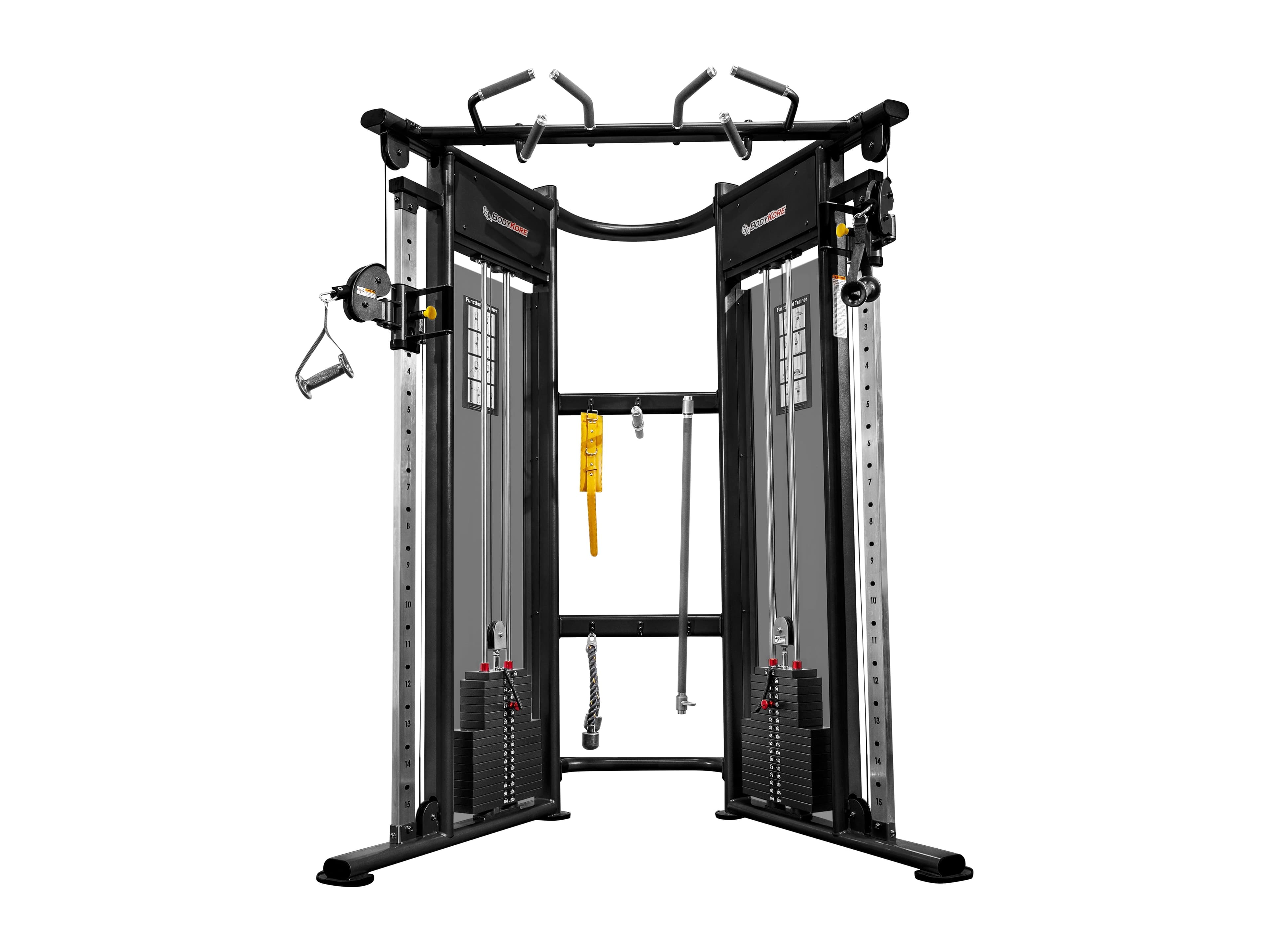
Single Pulley vs Dual Pulley Systems: Which Cable Setup Is Right for You?
Weight Stack vs Plate-Loaded Cable Machines: A Comparison
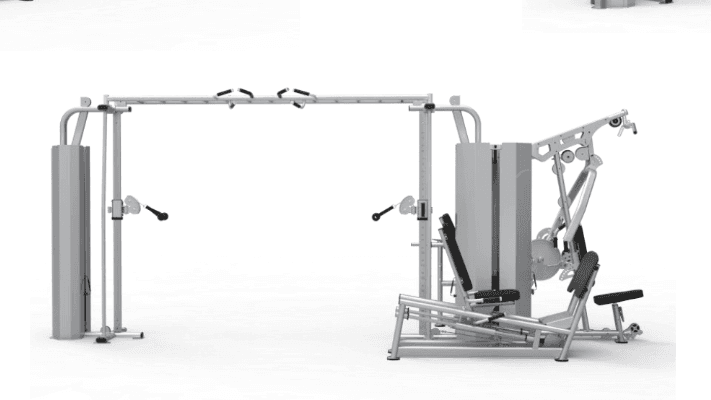
Cable Machines: The Complete Guide
Newsletter
Enter your email and be the first to get the latest blog posts, news, product launches and more from BodyKore.
Stay in the Know
Enter your email and be the first to get the latest blog posts, news, product launches and more from BodyKore.