

The Quick Rundown
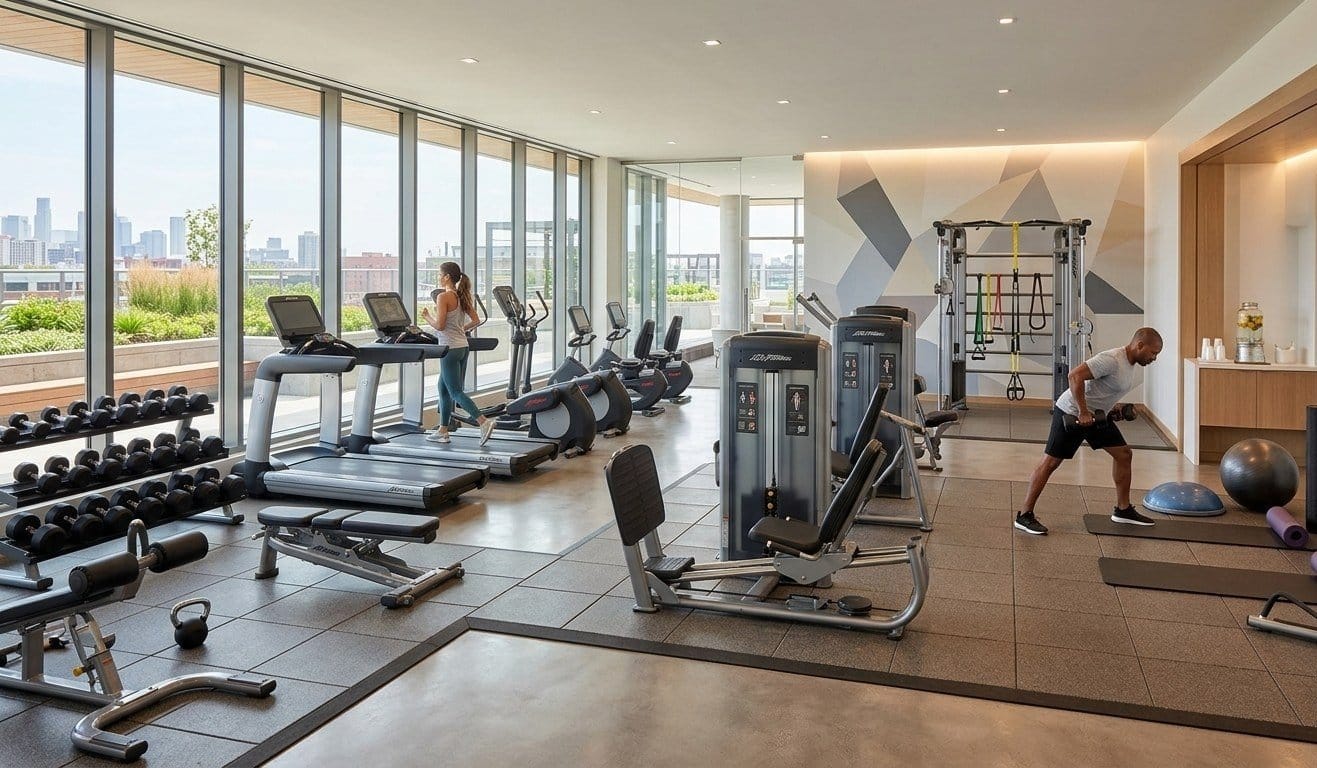
The fitness center is a leasing tool: it ranks among the top apartment amenities, and a strong majority of residents say it makes them more likely to renew.
Design for an unstaffed space: no trainers are on hand, so equipment must be safe, intuitive, and low-maintenance, with strength machines that guide the movement.
Lead with cardio and guided strength: treadmills and bikes, plus selectorized or functional strength, cover the broadest range of residents in the least floor space.
Respect the building: sound isolation, floor loading, power, and HVAC matter more here than in a standalone gym, because residents live on the other side of the wall.
Connectivity is expected: on-demand classes and connected equipment extend programming around the clock and appeal strongly to newer renters.
Buy commercial-grade and plan for replacement: residential-grade equipment fails under shared use, so spec commercial durability, real warranties, and a refresh budget.
For an apartment, condo, or student-housing community, the fitness center is no longer a nice extra. It is one of the amenities residents weigh most heavily when they choose where to live and whether to renew, which makes the equipment inside it a direct influence on leasing and asset value. A resident gym is also one of the easiest amenities to get wrong. Buy the wrong equipment and the room sits empty or turns into a source of complaints and liability, all while consuming square footage you are paying for.
This guide is written for the people who specify and buy that equipment: developers and the owners and managers who run a community. It covers why the amenity is worth its footprint, how to choose equipment around your actual residents, the categories that belong in a residential gym, the safety and building constraints unique to an unstaffed space, how to size the room, and the procurement decisions that protect the investment over its lifecycle. The aim is a fitness center residents use and talk about, built without overspending or creating problems down the line.
Why the Fitness Center Earns Its Square Footage
A resident gym pays for itself through leasing and retention rather than ticket sales, and the data behind that is strong. Industry surveys repeatedly rank the fitness center among the top amenities apartment residents care about, and one widely cited National Apartment Association figure found that roughly 82% of residents would be more likely to renew a lease if their community had a fitness center. The Urban Land Institute has listed fitness amenities among the leading multifamily trends, tied directly to resident satisfaction and retention.
Equipment quality, in particular, is what residents and operators notice. In one National Apartment Association survey of new construction, more than 95% of owners and operators named state-of-the-art equipment the most important feature of a fitness center, with technology and connectivity close behind. What fills the room is the real differentiator, far more than the room itself. A tired space with a couple of dated treadmills signals neglect to a prospect on a tour, while a clean, well-equipped gym signals a community that invests in its residents, which is the impression that converts a tour into a signed lease and a resident into a renewal.
Start With Your Residents
The most common planning mistake is to buy equipment first and think about residents second. Reverse that. A luxury high-rise of young professionals, a student-housing block, and a community with many older residents need very different rooms, so begin by understanding who actually lives in your building. A short resident survey, or a look at the demographics you already track, tells you the age range and fitness levels you are designing for.
From there, aim for what equipment specialists call a blended gym: enough breadth to serve different goals, plus enough depth that both a beginner and an experienced lifter find something useful. A residential population skews toward general fitness rather than serious training, so the bulk of the room should be approachable, low-skill equipment that anyone can use safely on their own, with a smaller selection of more advanced options for the enthusiasts. Designing around real residents heads off both common errors: a room too basic to satisfy your fittest renters, and a room so specialized that most residents feel it is not for them.
The Core Equipment Categories
A residential fitness center is built from a predictable set of categories. The right balance depends on your space and residents, yet the role each category plays stays consistent. The table summarizes them, and the sections below add detail.
Category | Role in a resident gym | Space and fit notes |
Cardio | The most-used category; broad appeal | Treadmills, bikes, ellipticals, rowers; needs power and airflow |
Selectorized strength | Safe, guided strength for all levels | Enclosed stacks, low injury risk; ideal when unstaffed |
Functional trainers | Many exercises from one compact unit | Space-efficient; cable based and beginner-friendly |
Free weights | Depth for experienced residents | Keep limited; needs containment and sound control |
Recovery and stretching | Mobility, cooldown, broad appeal | Open floor, mats, mobility tools; low cost, high value |
Connected technology | On-demand classes and tracking | Screens or app integration; expected by newer renters |
Cardio
Cardio is the most-used part of a resident gym, so it deserves the largest share of the budget and floor. A mix of treadmills, stationary or recumbent bikes, an elliptical, and a rower covers walkers and runners alike, with low-impact options for everyone else. Plan power outlets and ventilation around this zone, since cardio machines cluster electrical and cooling demand. Self-powered bikes and rowers help where outlets are scarce.
Selectorized and functional strength
Strength is where the unstaffed nature of the space shapes the choice most. Selectorized machines, with an enclosed weight stack and a pin, let a resident train safely without a spotter or any instruction, which makes them the core of residential strength training. A functional trainer or two then adds enormous versatility in a small footprint, supporting dozens of cable exercises from a single station that suits beginners and advanced users. Together these two cover most residents while keeping injury risk and floor space low.
Free weights, kept deliberate
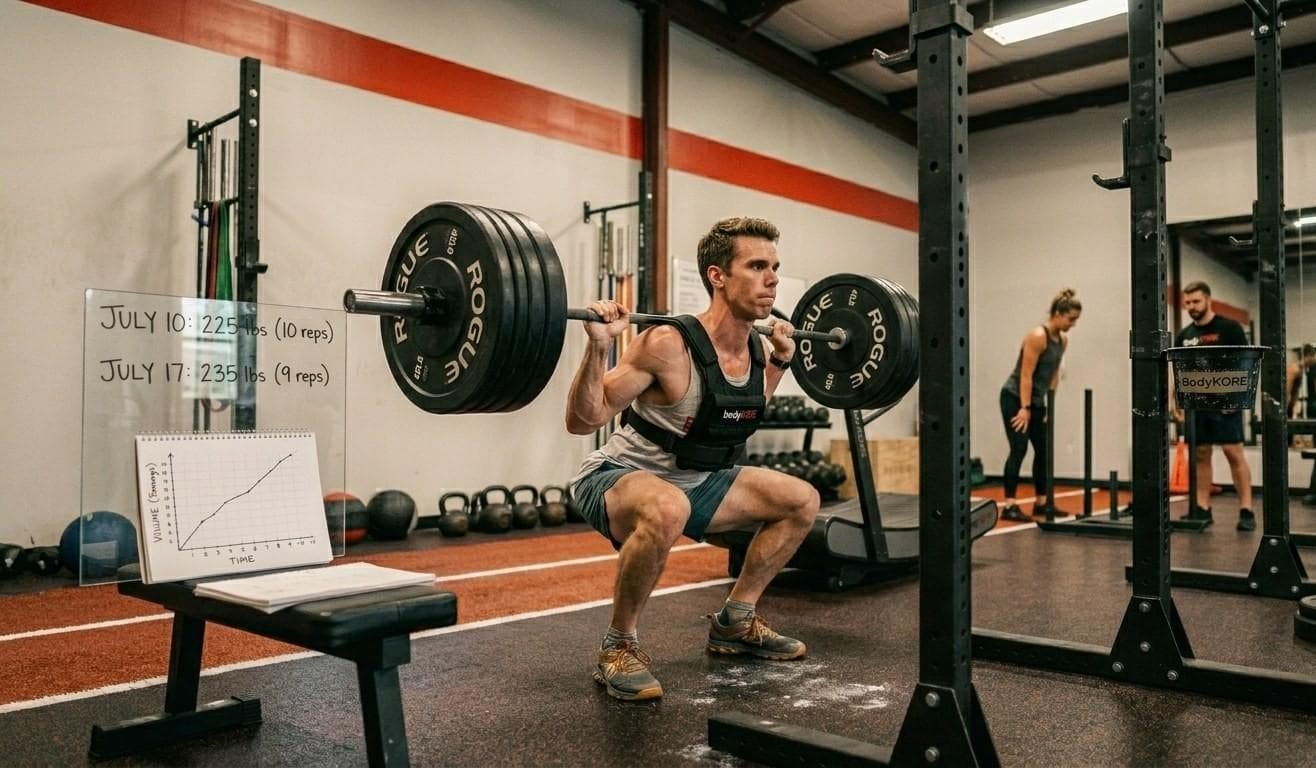
A rack of dumbbells and an adjustable bench earn their place by giving your more experienced residents room to train, and a compact set covers a lot of ground. Keep the free-weight area deliberate rather than sprawling. Heavy barbells and bumper plates introduce noise and dropped-weight risk, plus the containment that many residential buildings cannot easily absorb, so most communities are better served by a modest dumbbell selection than by a full platform.
Recovery and connected technology
A recovery zone is the highest-value, lowest-cost addition in modern residential gyms. A patch of open floor with mats, a foam roller, and a few mobility tools serves stretching and bodyweight work, along with cooldowns, and it appeals to the large share of residents who are put off by heavy equipment. Connected technology then adds to the value of the whole room. On-demand classes and app integration, plus equipment with built-in screens, give residents guided workouts at any hour, which matters in a space with no staff, and newer renters increasingly expect it.
Designing for an Unstaffed, Residential Space
A resident gym runs without trainers or front-desk staff, with no one to correct form or police behavior, often 24 hours a day. That single fact should drive much of your equipment selection. Favor equipment that is safe and intuitive enough for an unsupervised first-timer: guided machines over complex free-weight setups, with clear instruction placards on each station and open sightlines. Low maintenance matters too, because every breakdown becomes a resident complaint and a service call, so durable, simple machines with easy access to parts beat feature-heavy units that fail often.
The building itself adds constraints a standalone gym never faces, because residents live directly overhead and next door. Sound isolation is the big one. Dropped weights and heavy machines transmit noise and vibration through the structure, generating complaints from the units nearby, which is the main reason to limit heavy free weights and invest in proper acoustic flooring. Confirm the floor can carry the load of the machines, and plan adequate power and HVAC for a room full of cardio gear and bodies. Choose rubber flooring that controls both sound and impact. These details are decisive, since they determine whether the gym is a pleasant amenity or a source of friction with the residents around it.
Sizing the Room by Footprint
Equipment selection has to fit the square footage you actually have, and residential fitness centers run from a single converted unit to a purpose-built suite. The mix below scales the categories to common footprints. Treat the ranges as starting points; your resident profile and ceiling height will shift the details.
Footprint | A workable mix | Best for |
600 to 800 sq ft | 3 to 4 cardio pieces, one functional trainer, a dumbbell set, open mat space | Smaller properties; the efficient basics |
1,000 to 1,200 sq ft | Expanded cardio, a selectorized circuit, a functional trainer or two, dumbbells, a defined recovery zone | Mid-size communities; the most common build |
1,500+ sq ft | Full cardio bay, broader strength circuit, multiple functional trainers, larger free-weight and recovery areas, room for classes | Luxury and large communities; a boutique-level amenity |
Whatever the size, resist the urge to overfill the room. A cramped gym with equipment crammed against the walls feels worse to a prospect than a smaller room with space to move, and tight spacing creates the safety problems an unstaffed facility can least afford. Open floor for stretching and bodyweight training earns its place in its own right.
Compliance and Accessibility
An unstaffed amenity carries real liability, so build safety and compliance into the plan from the start. Post clear rules and equipment instructions, since signage is your only on-site guidance when no staff are present. Many communities add an emergency phone or a call button and an accessible automated external defibrillator, and check whether local code requires them for your occupancy. Keep emergency exits visible and clear of equipment at all times.
Accessibility is both a legal obligation and a way to serve more of your residents. Design accessible routes into and through the room, and leave adequate clearance at equipment so residents using a wheelchair or a mobility aid can reach and use it. Because requirements vary by jurisdiction and building type, confirm your final plan against local accessibility codes and your insurer’s expectations rather than relying on general rules. Documented rules and regular maintenance logs, plus waivers where appropriate, all help manage the liability that comes with a space residents use on their own.
Procurement and Total Cost of Ownership
The cheapest equipment is rarely the least expensive over time. A resident gym sees shared, unsupervised, around-the-clock use, which destroys consumer or light-duty equipment quickly, so specify commercial-grade machines built for that load. The higher upfront cost buys reliability, and reliability is what keeps the room open and complaint-free.
Think in terms of total cost of ownership rather than sticker price. Strong commercial warranties and easy access to parts, plus a planned replacement cycle, keep the gym from sliding into the tired state that drives prospects away. A few procurement habits pay off across the life of the room. Standardize attachments and accessories so they interchange, and favor modular systems you can expand as occupancy and budgets grow. Sourcing from a coordinated product line keeps the space looking like one intentional amenity rather than a patchwork, and matching equipment to what your building’s power and structure can support prevents the costly surprises that come from specifying gear the building cannot handle.
Common Mistakes Multifamily Owners Make
A handful of avoidable errors account for most underused or troublesome resident gyms. Spotting them before purchase saves money and complaints later.
Buying residential-grade equipment: home machines cannot survive shared, unsupervised use and fail fast, turning savings into repair bills and downtime.
Ignoring sound and the neighbors: heavy weights and poor flooring transmit noise to nearby units, creating the complaints that sour residents on the amenity.
Overfilling a small room: cramming in machines wrecks flow and safety; a less crowded room with open space shows better and trains better.
Specifying gear that needs supervision: complex free-weight setups invite injury in an unstaffed space, whereas guided, intuitive equipment fits the reality.
Forgetting the replacement budget: equipment that is never refreshed slowly drags the whole amenity, and the property, down with it.
Skipping the resident step: designing without knowing your residents produces a room that satisfies almost no one and gets little use.
Putting It All Together
A multi-family fitness center succeeds when it is designed backward from your residents and the building rather than forward from an equipment catalog. Understand who lives in your community, lead with cardio and guided strength that anyone can use unsupervised, add a recovery zone and connected technology that deliver more value than they cost, and respect the acoustic and structural realities of a residential building. Size the room to your footprint without overfilling it, and build in the safety and accessibility an unstaffed space demands.
Then protect the investment with commercial-grade equipment and real warranties, plus a replacement plan. Do that, and the fitness center stops being a box to check on an amenity list and becomes what the data says it can be: a genuine driver of leasing and retention, and of the long-term value of your property.
Frequently Asked Questions
What equipment does an apartment fitness center need?
Start with cardio (treadmills, bikes, an elliptical, and a rower) and guided strength in the form of selectorized machines or a functional trainer, then add a small dumbbell set and open recovery space. This core covers the broadest range of residents safely in an unstaffed room. Connected technology like on-demand classes is an increasingly expected addition.
How much space does a multi-family gym need?
It varies with your goals, but useful benchmarks are around 600 to 800 square feet for an efficient starter room and 1,000 to 1,200 square feet for a well-rounded center that suits most mid-size communities, rising to 1,500 or more for a boutique-level amenity with classes. Designing the equipment mix to the footprint matters more than the raw size.
Should an apartment gym have free weights?
A modest set of dumbbells and an adjustable bench, yes, since they serve more experienced residents in little space. Heavy barbells and bumper plates are usually a poor fit, because the dropped-weight noise and vibration travel to nearby units and the equipment needs containment and supervision a residential building rarely has. Keep free weights deliberate and limited.
Why does equipment need to be commercial-grade?
A resident gym is used by many people, often around the clock, with no one supervising care. Residential or light-commercial equipment is not built for that load and fails quickly, producing repair bills, downtime, and resident complaints. Commercial-grade machines cost more upfront but last far longer, which makes them cheaper over the life of the room and keeps the amenity dependable.
Does a fitness center actually help with leasing and retention?
The evidence says yes. Fitness centers consistently rank among the most valued apartment amenities, and a large majority of residents say one makes them more likely to renew. Owners, in turn, rate equipment quality as the top feature of the space. A well-equipped gym helps convert tours into leases and supports renewals, which is how the amenity returns its cost.
Trending Now
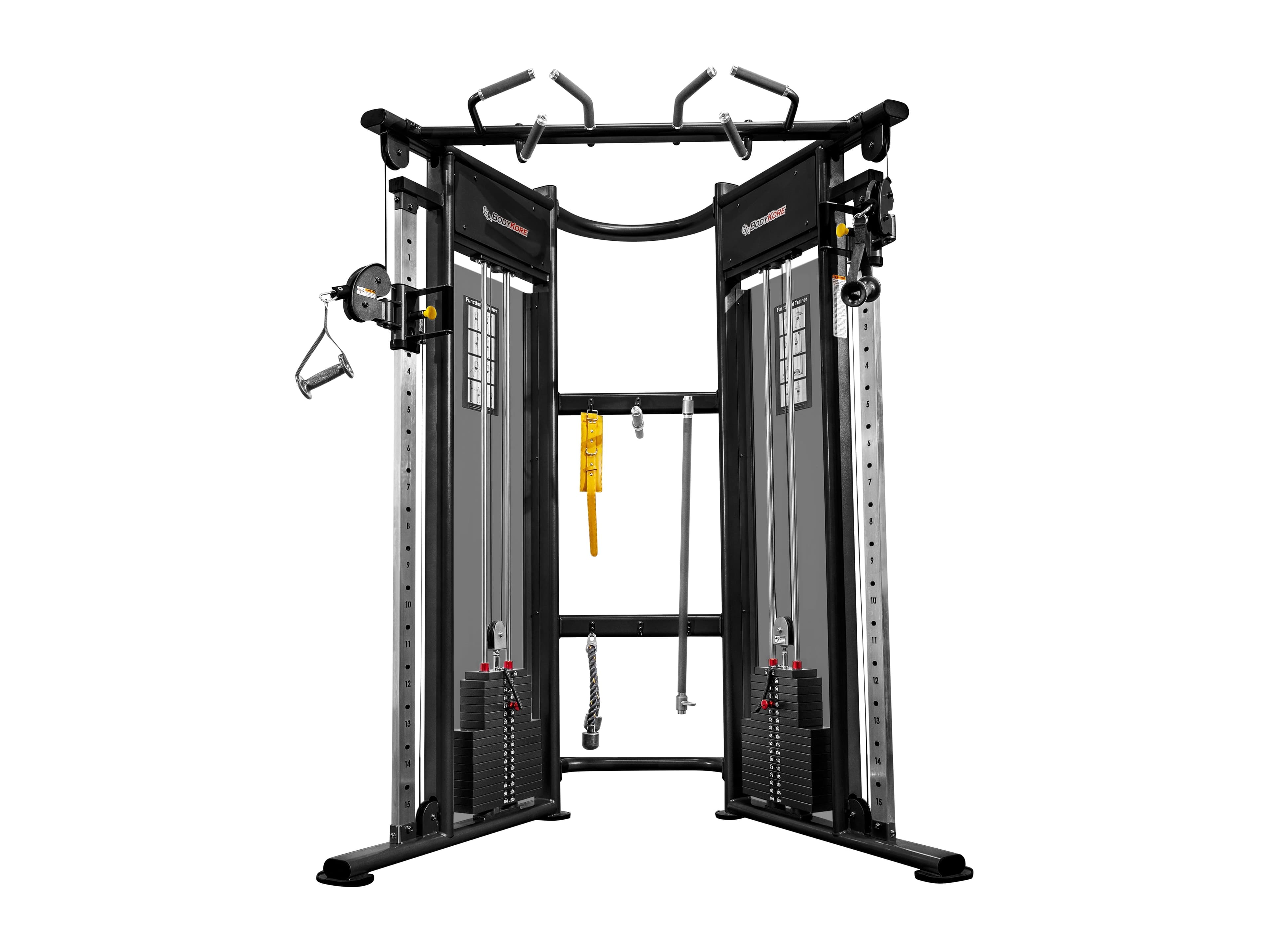
Single Pulley vs Dual Pulley Systems: Which Cable Setup Is Right for You?
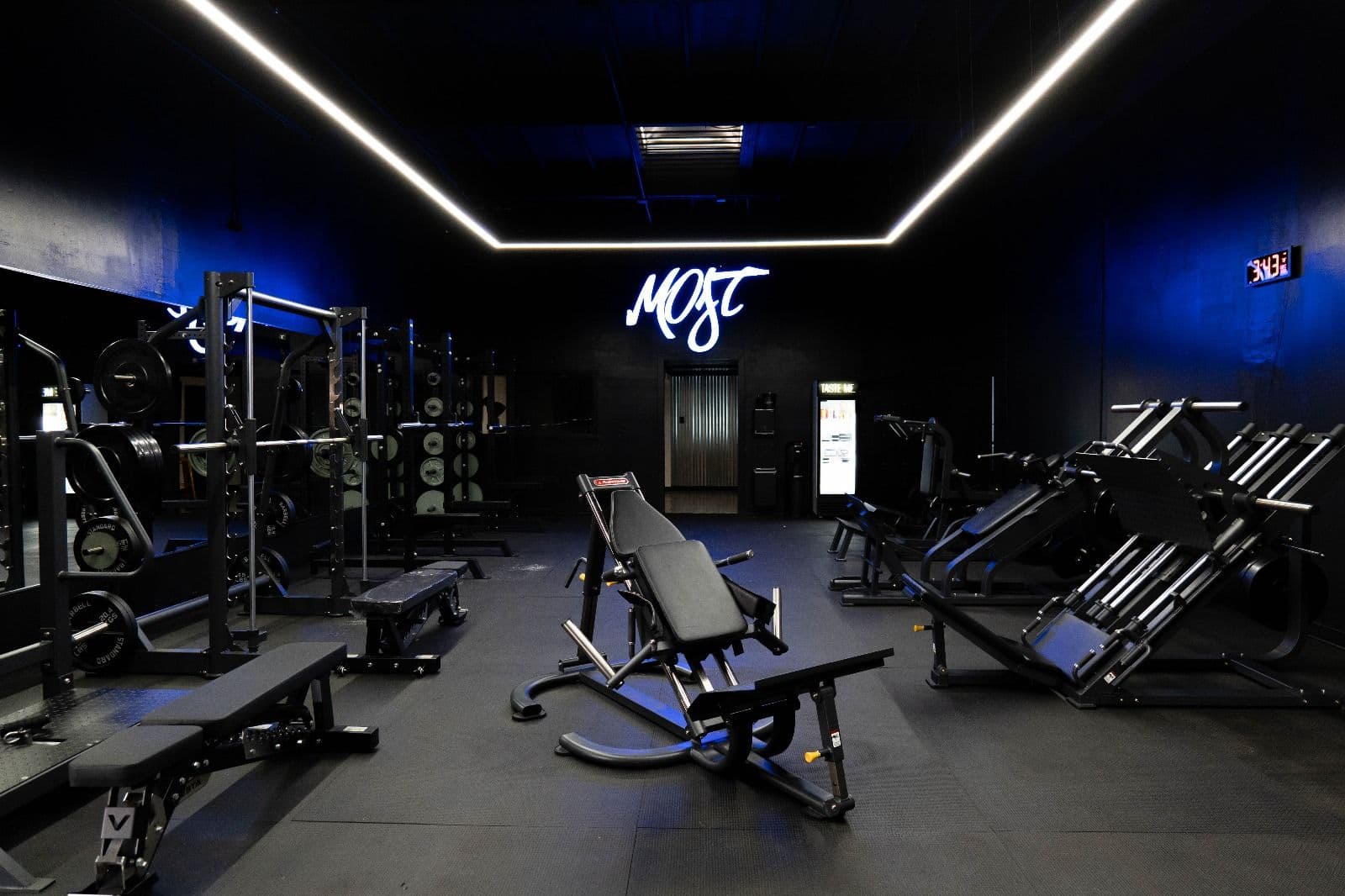
Weight Stack vs Plate-Loaded Cable Machines: A Comparison
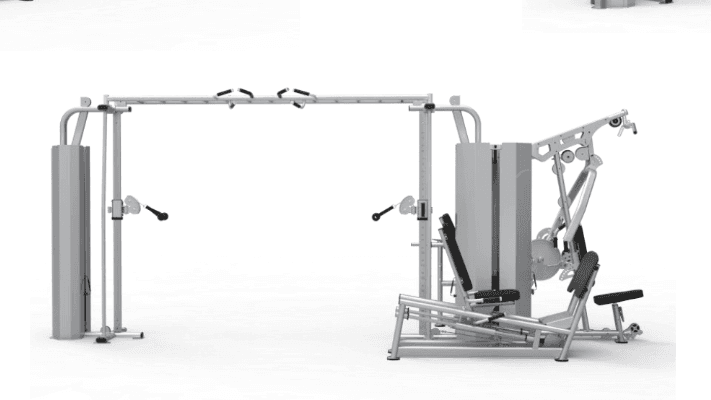
Cable Machines: The Complete Guide
Newsletter
Enter your email and be the first to get the latest blog posts, news, product launches and more from BodyKore.
Stay in the Know
Enter your email and be the first to get the latest blog posts, news, product launches and more from BodyKore.