

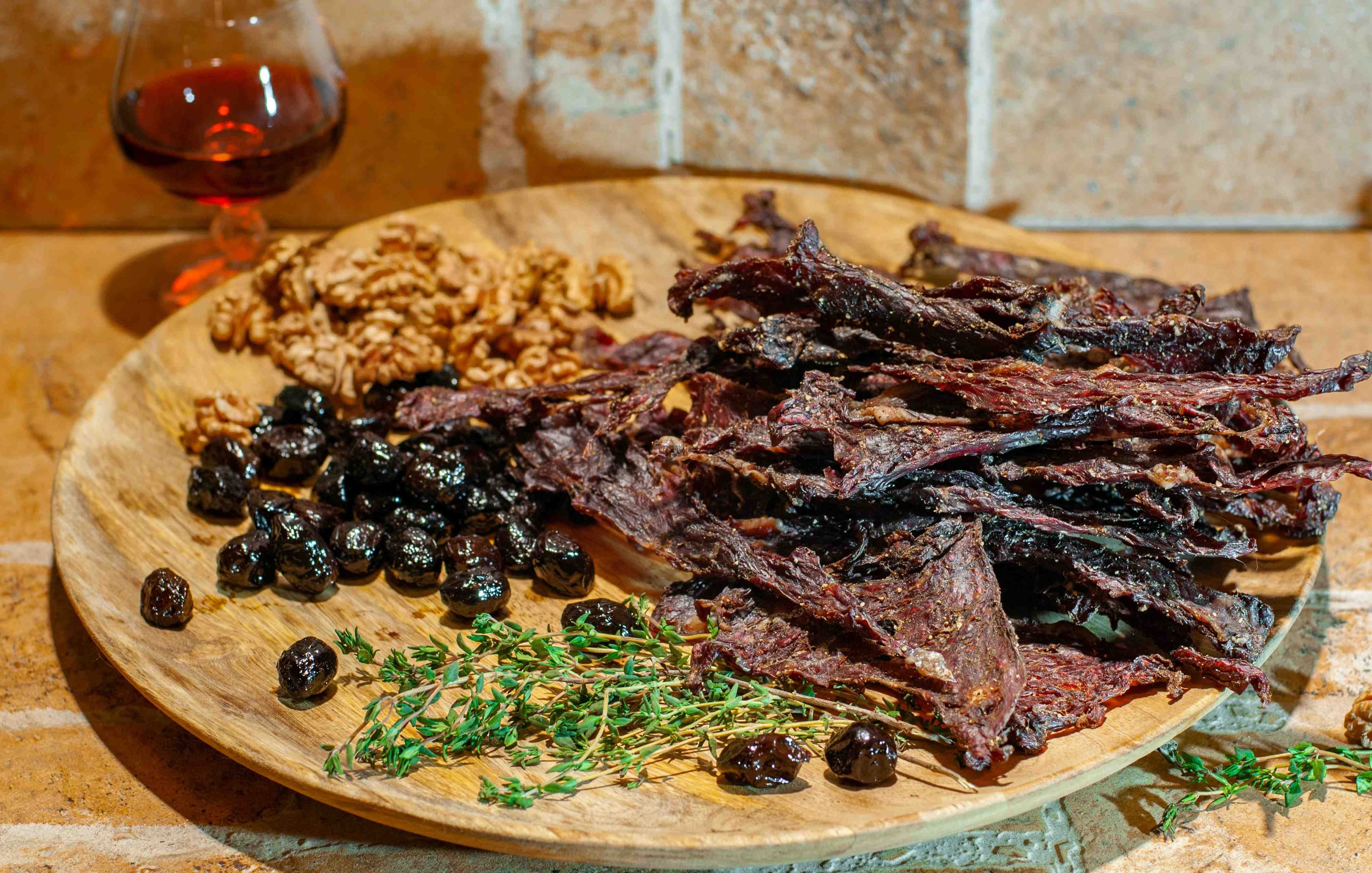
Nutrition matters just as much as time spent lifting weights. Finding the right snacks to fuel workouts and aid recovery can challenge any fitness enthusiast. You need something high in protein to support muscle repair, low in carbohydrates to keep macros in check, and convenient enough to toss into a gym bag. Jerky fits the bill perfectly.
Among the various options, Beef jerky stands out as a reliable choice for athletes. It provides a concentrated dose of high-quality protein, essential amino acids, and vital nutrients like iron and zinc. You get these benefits without the excess sugars and empty calories found in many commercial protein bars. Whether you lift heavy weights, run long distances, or engage in high-intensity interval training, having a reliable protein source on hand helps drive success.
This guide explores the top 10 high-protein, low-carb jerky options. We dive into their nutritional profiles, flavor offerings, and why they deserve a spot in your meal prep routine. Let's look at the best jerky brands that help hit protein goals while keeping carbohydrate intake regulated.
The Importance of Protein in a Fitness Diet
Protein serves as the cornerstone of any effective fitness regimen. It is composed of amino acids, the building blocks of muscle tissue. Exercise, especially resistance training, creates micro-tears in muscle fibers. Your body requires protein to repair these tears, leading to muscle growth and increased strength over time.
A high-protein diet is essential for individuals aiming to lose body fat while preserving lean muscle mass. Protein is highly satiating. It keeps you feeling full for longer periods, reducing the likelihood of overeating or snacking on unhealthy foods. Protein also has a higher thermic effect compared to fats and carbohydrates, meaning your body burns more calories digesting it.
Whole food sources like chicken breast, fish, and eggs are excellent staples. They are not always practical for on-the-go consumption, however. This explains why jerky has become a staple for fitness enthusiasts. It offers the nutritional benefits of lean meat in a portable, shelf-stable format.
Why Low-Carb Matters
Managing carbohydrate intake is a top priority for many athletes, particularly those following ketogenic or low-carb diets. Carbohydrates are the body's primary energy source. Consuming them in excess, however, can lead to fat storage and energy crashes. Keeping carb intake low encourages the body to tap into stored fat for energy, promoting a leaner physique.
Many commercial jerky brands use heavy marinades and glazes loaded with sugar. This turns a healthy protein snack into a carbohydrate bomb. Reading nutritional labels carefully is vital when selecting jerky for fitness purposes. The best jerky for fitness will have zero or minimal added sugars, ensuring you get pure protein without unwanted carbs.
1. Beef Jerky
Beef jerky serves as the gold standard for high-protein, low-carb snacks. Made from premium cuts of beef, such as top round or sirloin, beef jerky is naturally lean and packed with protein. A typical serving can provide anywhere from 10 to 15 grams of protein with less than two grams of carbohydrates.
Look for brands that prioritize minimal processing and natural ingredients when choosing traditional beef jerky. Avoid products that list sugar, high-fructose corn syrup, or artificial preservatives in their ingredients. Opt instead for jerky flavored with natural spices, sea salt, and black pepper. The robust, savory flavor of classic beef jerky makes it a satisfying snack that curbs cravings and fuels recovery.
2. Turkey Jerky
Turkey jerky is an exceptional choice for those looking for an even leaner alternative to beef. Turkey breast is naturally low in fat and high in protein, making it an ideal base for jerky. It provides a slightly softer texture compared to beef, which some people prefer.
Individuals tracking macros meticulously find turkey jerky particularly beneficial. It often contains fewer calories and less fat than beef jerky while delivering a comparable amount of protein. Ensure the brand does not compensate for lower fat content by adding excessive sugar for flavor. Look for options marinated in apple cider vinegar, liquid smoke, and herbs for a delicious, low-carb profile.
3. Venison Jerky
Hunters and fitness enthusiasts highly regard venison, or deer meat, for its incredible nutritional profile. It is significantly leaner than beef and boasts a higher protein-to-fat ratio. Venison is also rich in essential nutrients like iron, B vitamins, and zinc. These nutrients are crucial for energy production and immune function.
Venison jerky offers a unique, slightly gamey flavor that sets it apart from traditional options. It requires very little added sugar or fat during the curing process because it is naturally so lean. This makes it an outstanding low-carb, high-protein snack for anyone looking to diversify protein sources. It serves as the perfect companion for outdoor adventures, long hikes, or intense gym sessions.
4. Bison Jerky
Bison provides another fantastic alternative to traditional beef. It is often considered a cleaner, more sustainable meat source. Bison are typically grass-fed and raised without the use of hormones or antibiotics. From a nutritional standpoint, bison is lower in fat and calories than beef while providing a robust amino acid profile.
Bison jerky has a rich, slightly sweeter taste than beef, even without added sugars. It is an excellent source of protein and fits perfectly into a low-carb diet. Grass-fed bison jerky is a premium option that delivers both on taste and nutritional value for fitness enthusiasts conscious about meat quality and sourcing.
5. Chicken Jerky
Chicken breast is a staple in almost every bodybuilder's diet. Chicken jerky offers the same benefits in a much more convenient form. Like turkey, chicken jerky is incredibly lean and provides a massive dose of protein per serving. It is mild in flavor, making it an excellent canvas for a variety of low-carb marinades and spices.
Checking the ingredient list is crucial when shopping for chicken jerky. Some brands use sugary teriyaki or barbecue sauces that ruin the low-carb profile. Seek out brands that use simple, savory seasonings like garlic, onion powder, and paprika. Chicken jerky is easy to chew and digests quickly. This makes it a great post-workout snack to kickstart the muscle recovery process.
6. Salmon Jerky
Salmon jerky is a great option for those looking to incorporate more healthy fats into their diet. While it is slightly higher in fat than poultry or lean beef, the fats found in salmon are heart-healthy omega-3 fatty acids. Omega-3s are known for anti-inflammatory properties, which can help reduce muscle soreness and joint pain after strenuous exercise.
Salmon jerky provides a solid amount of protein and is naturally low in carbohydrates. It has a distinct, savory flavor that appeals to seafood lovers. The combination of protein and omega-3s makes salmon jerky an incredibly functional food for athletes focused on overall wellness and optimal recovery.
7. Ostrich Jerky
Ostrich meat might seem exotic, but it is rapidly gaining popularity in the fitness community due to its remarkable nutritional profile. Ostrich is red meat, meaning it tastes very similar to premium beef, but it has the fat content of poultry. It is incredibly lean, high in protein, and rich in iron.
Ostrich jerky is a fantastic low-carb option that provides a tender, flavorful snacking experience. The meat requires very little seasoning or sweetening because it is so naturally flavorful. Ostrich jerky is definitely worth exploring if you want a highly bioavailable protein source that won't disrupt low-carb macros.
8. Kangaroo Jerky
Kangaroo meat is another exotic option highly prized for its leanness. Kangaroos are wild animals that forage for their food. This results in meat that is exceptionally low in fat and high in conjugated linoleic acid (CLA). CLA is a fatty acid studied for its potential to aid in fat loss and improve body composition.
Kangaroo jerky offers a dense, chewy texture and a strong, savory flavor. It is an excellent source of high-quality protein and is naturally very low in carbohydrates. Kangaroo jerky is a top-tier choice for athletes looking to experiment with novel protein sources that align perfectly with fitness goals.
9. Zero-Sugar Pork Jerky
Pork jerky often gets a bad reputation for being high in fat and sugar. This is largely due to the way commercial brands process it. Pork jerky can be a highly effective fitness snack when made from lean cuts of pork, such as the loin, and prepared without added sugars.
Zero-sugar pork jerky provides a satisfying, savory flavor profile that differs from beef or poultry. It is an excellent source of protein and B vitamins, particularly thiamine, which plays a key role in energy metabolism. You can enjoy the delicious taste of pork jerky while keeping carbohydrate intake strictly minimized by choosing a zero-sugar option.
10. Plant-Based Jerky Alternatives
The rise of plant-based diets has led to the creation of innovative vegan jerky alternatives. These products are typically made from soy protein, seitan (wheat gluten), or mushroom stems. They can still provide a substantial amount of protein, even if they do not have the exact same amino acid profile as meat.
Scrutinizing the label is crucial when selecting a plant-based jerky for fitness. Many vegan jerkies rely heavily on sugar and carbohydrates for flavor and texture. Look for options that use clean, low-carb ingredients and provide at least 10 grams of protein per serving. These alternatives are excellent for plant-based athletes or anyone looking to reduce meat consumption while maintaining protein intake.
How to Incorporate Jerky into Your Fitness Routine
Jerky is incredibly versatile and can be used strategically to support fitness goals. Here is how to effectively incorporate it into your daily routine.
Pre-Workout Fuel
Consuming a small serving of jerky 30 to 60 minutes before a workout provides a steady stream of amino acids to muscles during exercise. Jerky digests relatively quickly and won't leave you feeling sluggish or bloated while you train because it is low in fat and carbohydrates. The sodium content in jerky can also be beneficial pre-workout. It helps maintain hydration and supports nerve function during intense sweating.
Post-Workout Recovery
Muscles are primed to absorb nutrients after a grueling training session. Consuming protein immediately after a workout is crucial for kickstarting the repair and growth process. A serving of high-quality jerky provides a whole-food alternative that is just as effective as a popular protein shake. Pair jerky with a large glass of water to help rehydrate and replenish the sodium lost through sweat.
Having access to professional-grade equipment is a massive advantage for those serious about training and recovery. Investing in high-quality strength equipment ensures you can train effectively and safely if you are outfitting a commercial facility or upgrading a personal setup. This complements rigorous nutritional standards.
On-the-Go Snacking
Finding healthy options away from home is one of the biggest challenges of maintaining a strict fitness diet. Hunger can strike unexpectedly whether you are traveling for work, running errands, or stuck in a long meeting. Having a bag of low-carb jerky in your car, desk drawer, or gym bag ensures a healthy, muscle-building snack is always within reach. It prevents resorting to fast food or sugary vending machine snacks that derail progress.
Meal Prep Addition
Jerky isn't just a standalone snack. It can also be incorporated into meals to boost protein content. You can chop up beef or turkey jerky and add it to salads, omelets, or stir-fries. It adds a savory, salty crunch that elevates the flavor profile of dishes without adding unwanted carbohydrates.
What to Look for When Buying Jerky
Choosing the right jerky can be overwhelming with so many brands and varieties on the market. Consider these key factors when selecting a high-protein, low-carb jerky for fitness goals.
1. Ingredient Quality
The best jerky is made from simple, recognizable ingredients. Look for products that list the meat source as the first ingredient, followed by natural spices and seasonings. Avoid jerky containing artificial flavors, colors, or preservatives like sodium nitrite. Grass-fed, organic, and sustainably sourced meats are always preferable. They typically have a better nutritional profile and are free from hormones and antibiotics.
2. Sugar Content
Sugar is the enemy of a low-carb diet. Many popular jerky brands use brown sugar, honey, or high-fructose corn syrup to enhance flavor and tenderness. Always check the nutrition label. Aim for jerky that contains zero or less than two grams of sugar per serving.
3. Protein-to-Calorie Ratio
A snack should provide a high amount of protein relative to its total calorie count to be truly beneficial for fitness. Look for jerky that provides at least 10 grams of protein per 100 calories as a good rule of thumb. This ensures you get a concentrated dose of amino acids without consuming excess calories from fat or hidden carbohydrates.
4. Sodium Levels
Jerky is naturally high in sodium because salt is used in the curing process. Sodium is an essential electrolyte, especially for active individuals who sweat heavily. Excessive sodium intake, however, can lead to water retention and high blood pressure. Look for low-sodium jerky options or be mindful of portion sizes if you are sensitive to sodium or consume a lot of it from other sources.
Making Your Own Jerky
Making jerky yourself is a fantastic option if you want absolute control over ingredients and nutritional profile. Homemade jerky allows you to select the leanest cuts of meat, control sodium levels, and completely eliminate added sugars.
You will need a lean cut of meat (such as beef eye of round), a sharp knife, a marinade, and a food dehydrator or an oven that can be set to a very low temperature. Slice the meat against the grain into thin strips. Marinate it in a mixture of soy sauce (or coconut aminos for a soy-free option), garlic powder, black pepper, and liquid smoke. Dehydrate it until it reaches the desired texture.
Making your own jerky is healthier and much more cost-effective than buying premium brands. It is a rewarding process that yields a superior product tailored perfectly to fitness macros.
The Role of Hydration
A high-protein diet requires adequate hydration. Protein metabolism produces waste products that kidneys must filter out, a process requiring water. Consuming jerky can increase thirst because it is a dehydrated food and often high in sodium.
Always ensure you drink plenty of water throughout the day, especially when consuming jerky and engaging in intense physical activity. Proper hydration is essential for muscle function, recovery, and overall health.
Conclusion
Achieving fitness goals requires dedication, consistency, and a strategic approach to nutrition. Finding snacks that align with macronutrient needs makes the journey significantly easier. High-protein, low-carb jerky is an unparalleled tool in your nutritional arsenal. It provides the essential amino acids muscles need without the carbohydrates that hinder progress.
There is a jerky out there that perfectly fits your palate and macros, whether you prefer the classic taste of traditional beef, the leanness of turkey, or the exotic appeal of venison or ostrich. You can fuel workouts, accelerate recovery, and build a lean, strong physique by prioritizing quality ingredients, avoiding added sugars, and incorporating jerky strategically into your routine.
Combining a high-protein diet with a rigorous training program and adequate rest is the true formula for success. Pack your gym bag, grab your favorite bag of jerky, and get ready to crush your fitness goals.
Trending Now
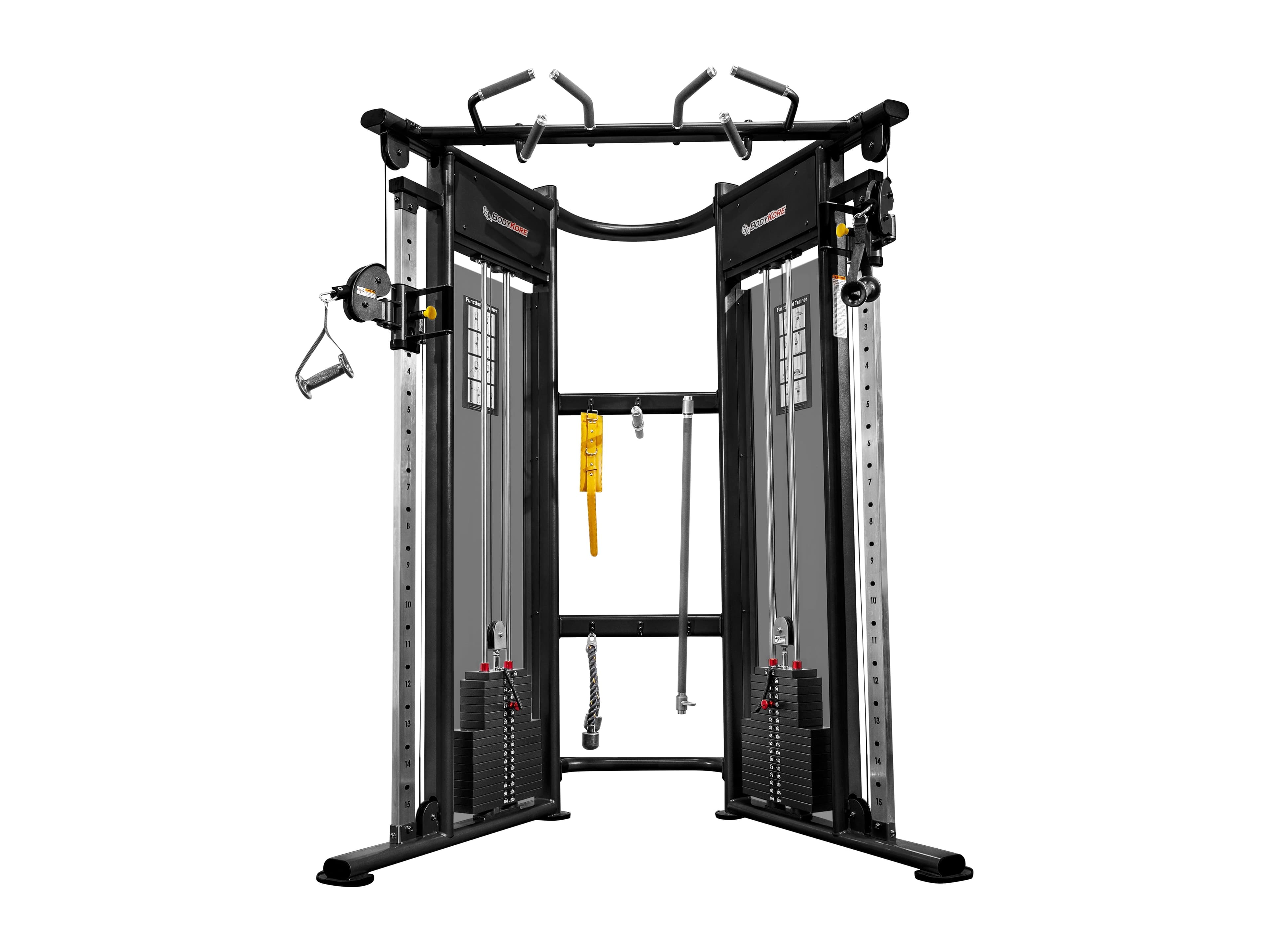
Single Pulley vs Dual Pulley Systems: Which Cable Setup Is Right for You?
Weight Stack vs Plate-Loaded Cable Machines: A Comparison
Cable Machines: The Complete Guide
Newsletter
Enter your email and be the first to get the latest blog posts, news, product launches and more from BodyKore.

Stay in the Know
Enter your email and be the first to get the latest blog posts, news, product launches and more from BodyKore.