

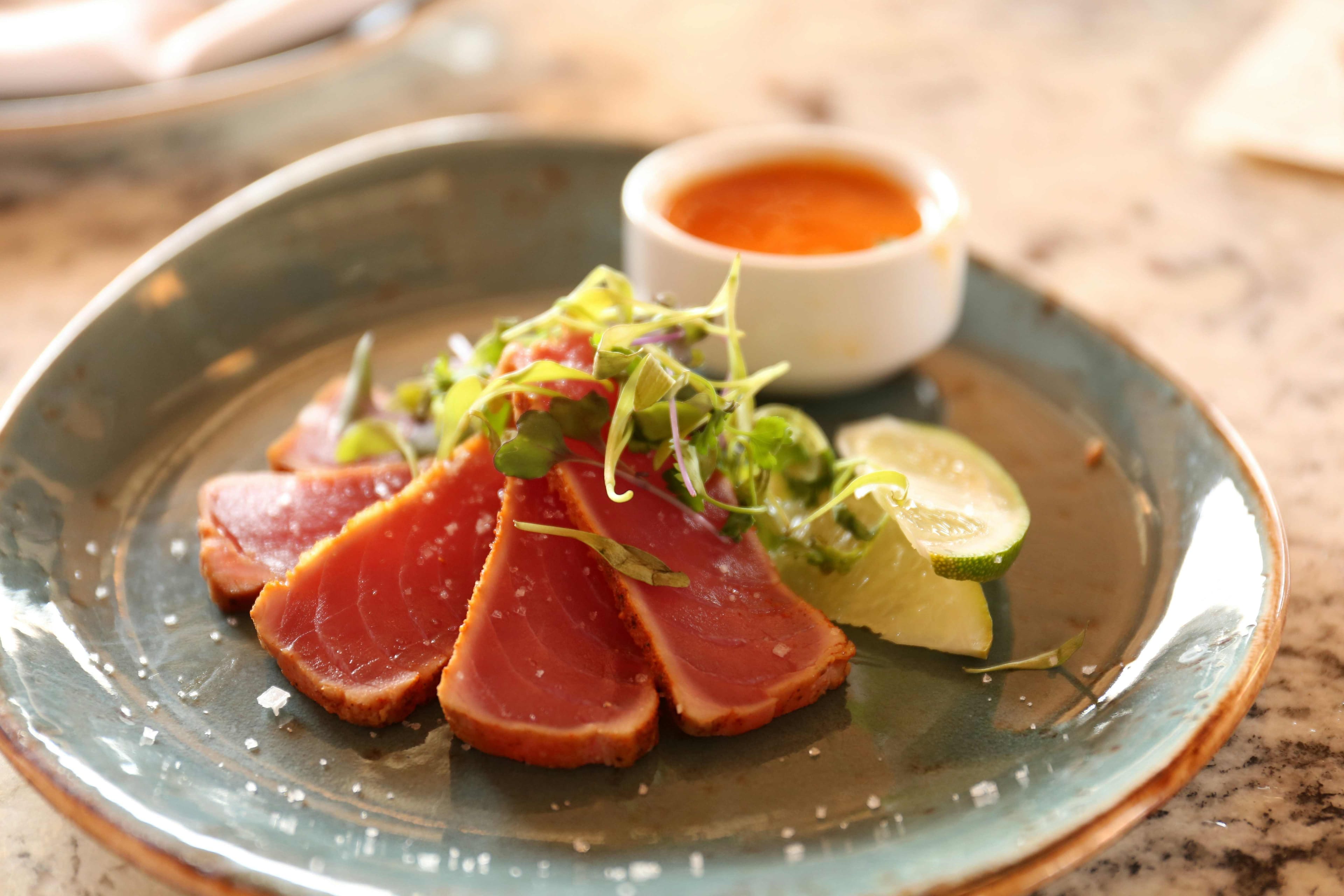
Protein, healthy fats, and the right micronutrients form the foundation of any effective weight loss plan. Seafood often earns a spot at the top of that list. Bluefin tuna sits above most other options. Prized for its buttery texture and rich flavor, this fish is a staple of high-end sushi restaurants worldwide. But beyond its culinary reputation, does it actually support weight loss? The answer depends on its nutritional profile, the risks of regular consumption, and the way you prepare it.
Where you source your fish matters just as much as how often you eat it. Responsibly farmed options from Baja Aqua Farms give you access to premium bluefin tuna that is clean and nutrient-dense. This makes it a far more reliable choice than commodity seafood of uncertain origin.
The Nutritional Profile of Bluefin Tuna
Bluefin tuna is what nutritionists call a nutrient-dense food. Per calorie, it delivers a high concentration of protein, fat-soluble vitamins, and minerals. That density makes it worth discussing in the context of weight management.
Protein Content
A 3-ounce serving of cooked bluefin tuna provides roughly 25 grams of protein. That is a substantial amount for a relatively modest portion. Protein is the most satiating macronutrient. It works through two mechanisms. First, it triggers the release of satiety hormones like peptide YY (PYY) and glucagon-like peptide-1 (GLP-1), which signal fullness to the brain. Second, it suppresses ghrelin, the hormone that drives hunger.
Protein also has a high thermic effect of food (TEF). The body burns approximately 20% to 30% of the calories in protein just to digest and process it. Carbohydrates require 5% to 10%, and fat requires 0% to 3%. That gap is not enormous in absolute terms. However, it adds up over time and gives protein-heavy meals a metabolic edge over carbohydrate-heavy ones.
Omega-3 Fatty Acids
Bluefin tuna is a fatty fish. This sets it apart from leaner options like cod or tilapia. Its fat is predominantly composed of omega-3 fatty acids, specifically eicosapentaenoic acid (EPA) and docosahexaenoic acid (DHA). These are not just "healthy fats" in a vague sense. They have documented effects on inflammation, insulin signaling, and cardiovascular function that are directly relevant to anyone managing their weight.
Chronic low-grade inflammation is a known obstacle to fat loss. It disrupts hormonal signaling, impairs insulin sensitivity, and is strongly associated with metabolic syndrome. EPA and DHA work to counter that inflammatory state at the cellular level. This can make the body more responsive to dietary changes and exercise.
Vitamins and Minerals
The micronutrient profile of bluefin tuna is equally impressive. It is one of the best dietary sources of vitamin B12. This nutrient is tied to red blood cell production, nerve function, and energy metabolism. A deficiency in B12 often manifests as fatigue. Fatigue is the last thing you need when trying to stay active and consistent with a fitness routine.
Selenium is another standout. It functions as an antioxidant, protecting cells from oxidative stress. It also plays a supporting role in thyroid hormone metabolism. Since the thyroid regulates metabolic rate, adequate selenium intake matters more than most people realize. Bluefin tuna also provides meaningful amounts of vitamin D. A large portion of the population is deficient in vitamin D, which has links to immune function, bone density, and mood regulation.
How Bluefin Tuna Supports Weight Loss
The nutritional profile above translates into several concrete mechanisms that support fat loss and body recomposition.
Appetite Control and Satiety
Hunger management is one of the most underrated aspects of a successful weight loss plan. You can have the best diet in the world on paper. But if you are constantly fighting cravings, adherence breaks down. Bluefin tuna's high protein content directly addresses this by keeping you fuller for longer after each meal.
The hormonal response to protein consumption is well-documented. PYY and GLP-1 rise after a protein-rich meal, and ghrelin drops. That combination reduces the drive to snack between meals. It makes it easier to maintain a caloric deficit without feeling deprived. For people who struggle with portion control or late-night eating, building meals around a protein anchor like bluefin tuna can shift the dynamic considerably.
Muscle Preservation During Fat Loss
Body composition matters more than total weight. Losing fat while holding onto muscle is the goal. Yet most calorie-restricted diets cause some degree of muscle loss alongside fat. Muscle tissue is metabolically active, burning calories at rest. Losing it slows the metabolism and makes long-term weight maintenance harder.
Adequate protein intake is the primary defense against muscle loss during a caloric deficit. Bluefin tuna provides all the essential amino acids the body needs for muscle repair and maintenance. For anyone pairing their diet with resistance training, this becomes even more important. If you are building a home gym or looking to upgrade your training setup, BodyKore offers a range of strength and functional training equipment designed to support serious fitness goals.
Metabolic Rate
The thermic effect of food (TEF) gives protein a built-in metabolic advantage. Consuming 100 calories of protein from bluefin tuna means the body uses 20 to 30 of those calories just to process it. That is not a massive number in isolation. But it represents a consistent daily advantage over diets dominated by refined carbohydrates or fat.
Beyond TEF, maintaining muscle mass through adequate protein intake keeps resting metabolic rate higher over time. The combination of these two effects means that a diet regularly featuring bluefin tuna can support a slightly elevated metabolic baseline compared to a lower-protein eating pattern.
The Role of Healthy Fats in Weight Management
Fat in food does not automatically become fat on the body. The type of fat matters enormously. Bluefin tuna's fat profile is predominantly unsaturated, with omega-3s making up a significant share.
Insulin Sensitivity
Insulin resistance is one of the most common metabolic obstacles to weight loss. When cells stop responding efficiently to insulin, the body compensates by producing more of it. Elevated insulin promotes fat storage, particularly visceral fat around the abdomen. Over time, this creates a cycle that makes losing weight progressively harder.
Omega-3 fatty acids have been shown in multiple studies to improve insulin sensitivity. This helps cells respond more appropriately to the hormone. Better insulin signaling means carbohydrates are processed more efficiently and are less likely to be stored as fat. For people with prediabetes or metabolic syndrome, this effect can be particularly meaningful.
Inflammation and Fat Loss
Adipose tissue is not just a passive storage site. It actively secretes inflammatory cytokines. As body fat increases, so does the inflammatory burden. That inflammation feeds back into insulin resistance and hormonal disruption, creating a self-reinforcing cycle.
The anti-inflammatory properties of EPA and DHA help interrupt that cycle. By reducing systemic inflammation, omega-3s from bluefin tuna can make the body more metabolically flexible and responsive to dietary changes. This is one reason why fatty fish consistently appears in research on dietary patterns associated with healthy weight management.
Potential Risks and Considerations
Bluefin tuna has real nutritional value. But it also comes with considerations that anyone eating it regularly should understand.
Mercury Exposure
Large, long-lived predatory fish accumulate methylmercury through a process called biomagnification. Each time a smaller fish is eaten by a larger one, mercury concentrations increase. Bluefin tuna sits near the top of the marine food chain. It ends up with higher mercury levels than most other seafood.
The FDA and EPA advise pregnant women, nursing mothers, and young children to avoid high-mercury fish entirely. For healthy adults, moderate consumption is generally considered safe. But it is worth rotating bluefin tuna with lower-mercury options like salmon, sardines, and mackerel to avoid cumulative exposure over time.
Caloric Density
Compared to leaner fish, bluefin tuna is more calorically dense. A 3-ounce serving contains roughly 120 to 150 calories, depending on the cut and preparation. That is not a problem in itself. But it does mean portion awareness matters. A generous restaurant-style portion can easily double or triple that calorie count without feeling like a large meal.
Weighing portions at home, at least initially, helps calibrate what a reasonable serving actually looks like. Once you have a feel for it, the guesswork goes away.
Preparation Methods
How you cook bluefin tuna has a direct impact on whether it supports or undermines your weight loss goals. The fish itself is nutritious. But deep-frying it or drowning it in cream-based sauces adds calories and unhealthy fats that offset its benefits.
Grilling, baking, broiling, and searing are all good options. They preserve the nutritional profile without adding unnecessary calories. Fresh herbs, citrus, ginger, and soy-based marinades work well with the fish's natural flavor. Tuna salad is popular. But using Greek yogurt or a light olive oil-based dressing instead of heavy mayonnaise keeps the calorie count in check.
Integrating Bluefin Tuna into a Balanced Diet
Getting the most out of bluefin tuna for weight loss means thinking about frequency, pairings, and the broader dietary context.
How Often to Eat It
Given the mercury consideration, one to two servings per week is a reasonable ceiling for most healthy adults. That frequency is enough to benefit from the protein and omega-3 content without accumulating heavy metal exposure over time.
On days when bluefin tuna is not on the menu, other high-quality protein sources can fill the gap. Poultry, legumes, eggs, and lower-mercury seafood like salmon or shrimp all provide solid nutritional value. They help maintain the dietary variety that supports long-term adherence.
Food Pairings That Work
Pairing bluefin tuna with non-starchy vegetables and complex carbohydrates creates balanced meals that support fat loss without leaving you hungry an hour later. Broccoli, spinach, asparagus, and bell peppers are low in calories and high in fiber. Fiber slows digestion, stabilizes blood sugar, and adds to the satiety effect of the protein.
For carbohydrates, quinoa, brown rice, and sweet potatoes provide sustained energy without the blood sugar spikes associated with refined grains. A seared bluefin tuna steak over a bed of wilted spinach with a side of quinoa is a practical, satisfying meal that checks every box for a weight-loss-oriented diet.
Mindful Eating and Physical Activity
What you eat matters, but so does how you eat. Eating slowly, paying attention to hunger and fullness cues, and avoiding distractions during meals all contribute to better portion control and reduced overall caloric intake. Bluefin tuna's rich flavor rewards slower eating. This makes it a natural fit for a more mindful approach.
Physical activity is the other side of the equation. Strength training in particular amplifies the muscle-preserving benefits of a high-protein diet. If you are building out a home training space, exploring functional training equipment at BodyKore can help you put together a setup that supports consistent, progressive workouts alongside your dietary changes.
Sustainability and Sourcing
Bluefin tuna populations have been under significant pressure from overfishing for decades. The Atlantic, Pacific, and Southern bluefin species have all experienced population declines. Responsible sourcing is a genuine concern for anyone eating this fish regularly.
Certifications from the Marine Stewardship Council (MSC) and resources like the Monterey Bay Aquarium's Seafood Watch program can help guide purchasing decisions. Choosing farmed or responsibly harvested options supports both the health of the species and the long-term availability of high-quality seafood.
Beyond Weight Loss: Additional Health Benefits
Weight management is the focus here. But the nutritional value of bluefin tuna extends well beyond the scale.
Cardiovascular Health
EPA and DHA have well-documented cardioprotective effects. Regular consumption has been linked to lower triglyceride levels, reduced blood pressure, and a decreased risk of cardiovascular events. For people who are overweight, cardiovascular risk is already elevated. The heart-health benefits of omega-3s carry added weight in that context.
Omega-3s also support the health of endothelial cells lining the blood vessels. This helps maintain healthy circulation and blood pressure over time.
Brain Health and Cognitive Function
DHA is the most abundant omega-3 fatty acid in the brain. It makes up a significant portion of neuronal cell membranes. Diets rich in DHA have been associated with a lower risk of cognitive decline and neurodegenerative conditions. EPA, meanwhile, has shown promise in supporting mood regulation and reducing symptoms of depression and anxiety.
Emotional well-being has a direct effect on dietary adherence. People who are managing stress, anxiety, or low mood are more likely to make impulsive food choices. They are less likely to stick to a structured eating plan. Supporting brain health through diet is therefore not separate from weight management. It is part of the same picture.
Eye Health
DHA is also a structural component of the retina. Adequate intake is associated with a reduced risk of age-related macular degeneration. This is one of the leading causes of vision loss in older adults. This is a benefit that accumulates quietly over years of consistent dietary choices.
Conclusion
Bluefin tuna is a strong addition to a weight loss diet. Its protein content keeps hunger in check, supports muscle preservation, and gives metabolism a modest boost through the thermic effect of food. Its omega-3 fatty acids address inflammation and insulin sensitivity. These are two factors that can quietly undermine fat loss if left unmanaged.
The caveats are real but manageable. Mercury exposure is a legitimate concern. Keeping consumption to one or two servings per week and rotating with lower-mercury seafood is a sensible approach. Portion control matters given the caloric density. The preparation method determines whether the meal supports or undermines your goals.
Sourcing quality fish, pairing it with fiber-rich vegetables and complex carbohydrates, and combining a high-protein diet with consistent physical activity creates the conditions for sustainable fat loss. Bluefin tuna fits naturally into that framework. It offers a premium, nutrient-dense protein source that supports both performance and long-term health.
Trending Now

Single Pulley vs Dual Pulley Systems: Which Cable Setup Is Right for You?

Weight Stack vs Plate-Loaded Cable Machines: A Comparison
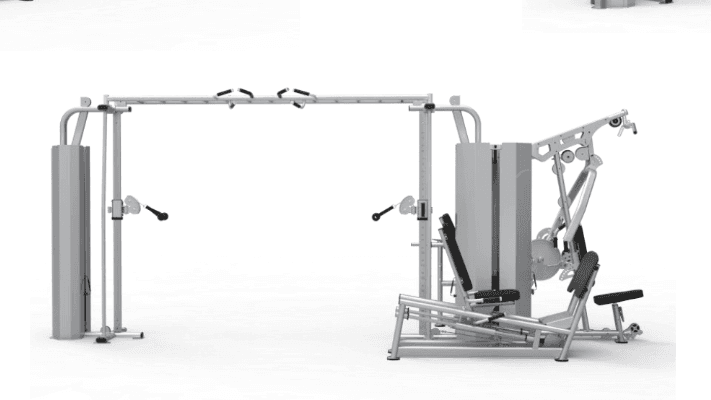
Cable Machines: The Complete Guide
Newsletter
Enter your email and be the first to get the latest blog posts, news, product launches and more from BodyKore.

Stay in the Know
Enter your email and be the first to get the latest blog posts, news, product launches and more from BodyKore.