

Obstructive Sleep Apnea (OSA) interrupts breathing during sleep. Sometimes this happens hundreds of times per night. It affects an estimated 936 million adults worldwide. The first step for most patients is securing reliable medical interventions. Treatments like CPAP Machines deliver overnight respiratory support. They keep airways open so patients receive restorative sleep. The immediate relief this therapy provides is well-documented.
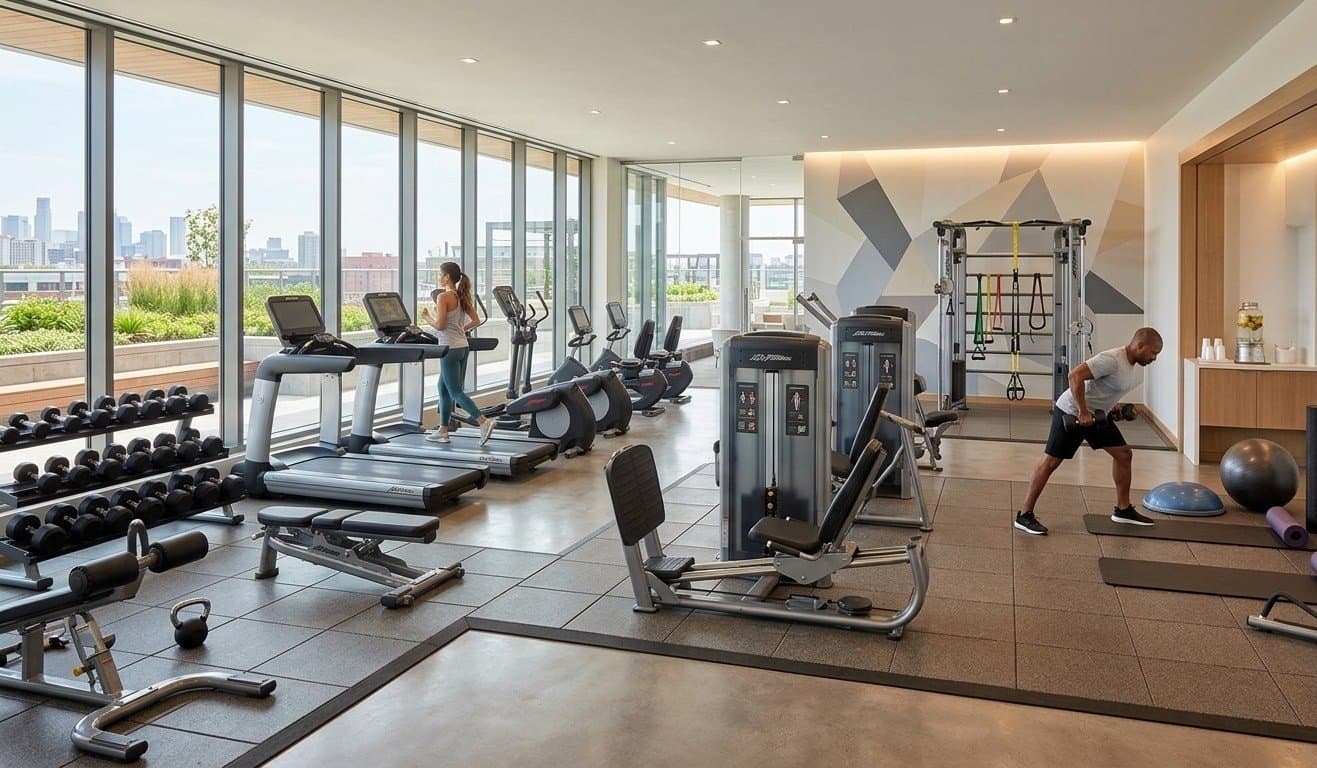
Consistent cardiovascular and strength training reduces symptom severity. This physical approach targets the anatomical and metabolic contributors to the condition. Using high-quality home gym equipment from BodyKore helps maintain a fitness regimen. It improves muscle tone and promotes weight loss. This complements ongoing medical therapy.
Understanding Obstructive Sleep Apnea
Soft tissue in the back of the throat collapses during sleep with OSA. The airway becomes partially or fully blocked. Oxygen drops, and the brain briefly wakes the body to restore breathing. These micro-arousals fragment sleep architecture. The body is prevented from reaching the deep, restorative stages it needs.
Untreated OSA is associated with hypertension. It also links to type 2 diabetes, cardiovascular disease, and an increased stroke risk. Cognitive performance declines as well. Studies connect the condition to impaired memory consolidation. Working adults face lower productivity. They also experience higher error rates.
Excess body weight is a major risk factor. Fat deposits around the neck and upper torso add pressure. Weak pharyngeal muscle tone also contributes. Nasal congestion plays a role in some cases. A management plan starts with understanding these risks.
The Immediate Relief of CPAP Therapy
Continuous Positive Airway Pressure (CPAP) therapy prevents the airway from collapsing at night. A steady stream of pressurized air is delivered through a mask. This air acts as a pneumatic splint. It holds the airway open and stops breathing pauses.
Optimal results require regular equipment maintenance. Cleaning models like the ResMed AirFit N30i keeps the seal tight. Replacing components ensures unobstructed airflow. The N30i uses a top-of-head tube design. Side sleepers find this accommodating. It also reduces the claustrophobic feeling associated with traditional masks. Cushions need replacing every 2 to 4 weeks. Washing the frame weekly preserves hygiene.
Patients face persistent daytime fatigue without this mechanical support. Cognitive impairment and cardiovascular strain are also common. Proper fitting and education improve adherence rates significantly. Most importantly, however, lifestyle modifications are required for long-term health.
The Long-Term Benefits of Exercise on OSA
Physical activity addresses the root causes of sleep apnea. Excess body weight places pressure on the airway. Poor muscle tone in the upper airway worsens the condition. Exercise targets both factors.
A 2022 meta-analysis in the British Journal of Sports Medicine examined exercise interventions. The Apnea-Hypopnea Index (AHI) dropped by an average of 6.3 events per hour. This occurred even without weight loss. Exercise has a direct neurological benefit on airway stability.
Weight Management and Airway Pressure
Cardiovascular exercises burn calories. Brisk walking, cycling, or using an elliptical machine reduce overall body fat. Fat deposits around the neck decrease. The physical burden on the upper airway is alleviated. Research indicates a 10% reduction in body weight reduces AHI by as much as 26%. Patients with moderate OSA can shift their condition into a milder category.
Aerobic exercise improves insulin sensitivity. It also reduces systemic inflammation. Both markers are higher in OSA patients. Chronic inflammation swells airway tissue. Obstruction becomes more likely. Regular cardiovascular training creates a physiological environment less prone to airway collapse.
Improving Muscle Tone
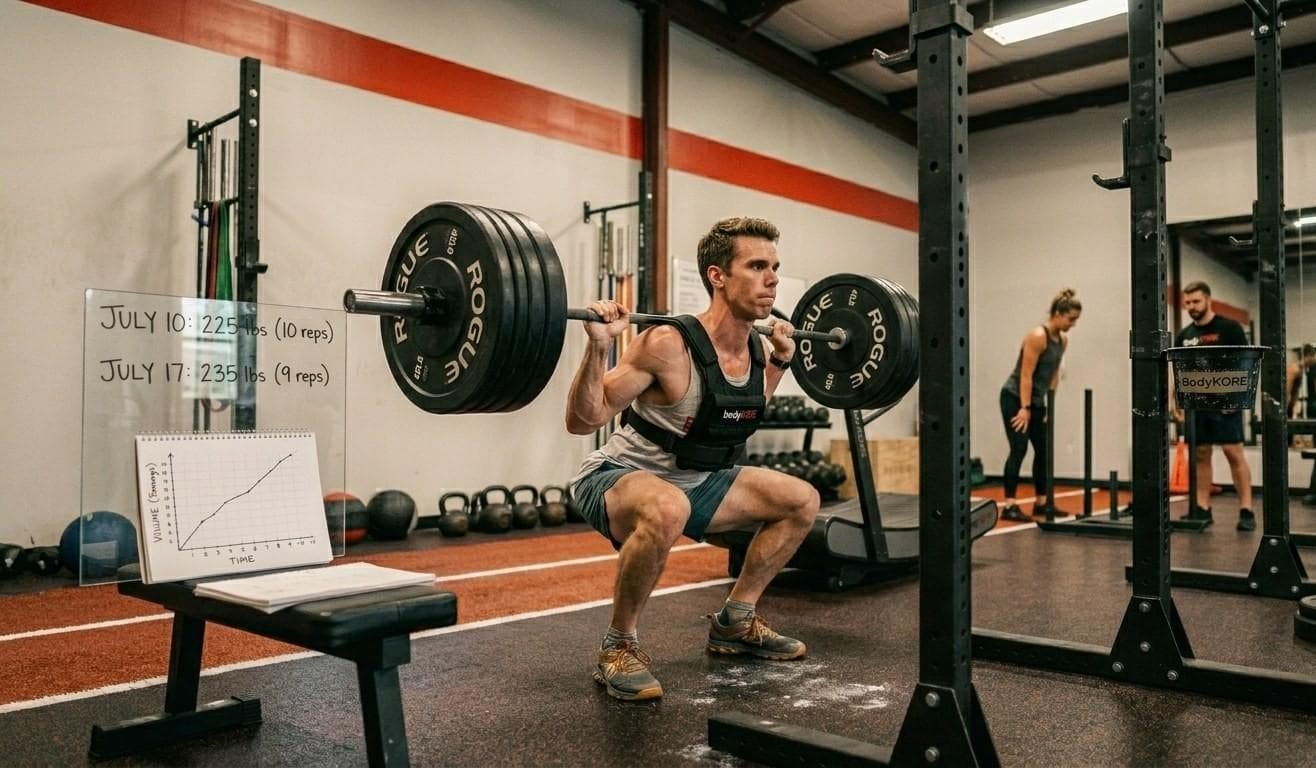
Resistance exercises build peripheral muscle strength. The tone of muscles surrounding the airway improves. The genioglossus and other pharyngeal muscles benefit. A stronger upper airway resists negative pressure during inhalation.
Metabolic health is often compromised by chronic sleep disturbances. A fitness routine with aerobic and resistance components helps. Poor sleep worsens insulin resistance. Insulin resistance contributes to weight gain. Weight gain worsens OSA. Structured exercise breaks this cycle.
The Role of Yoga and Breathing Exercises
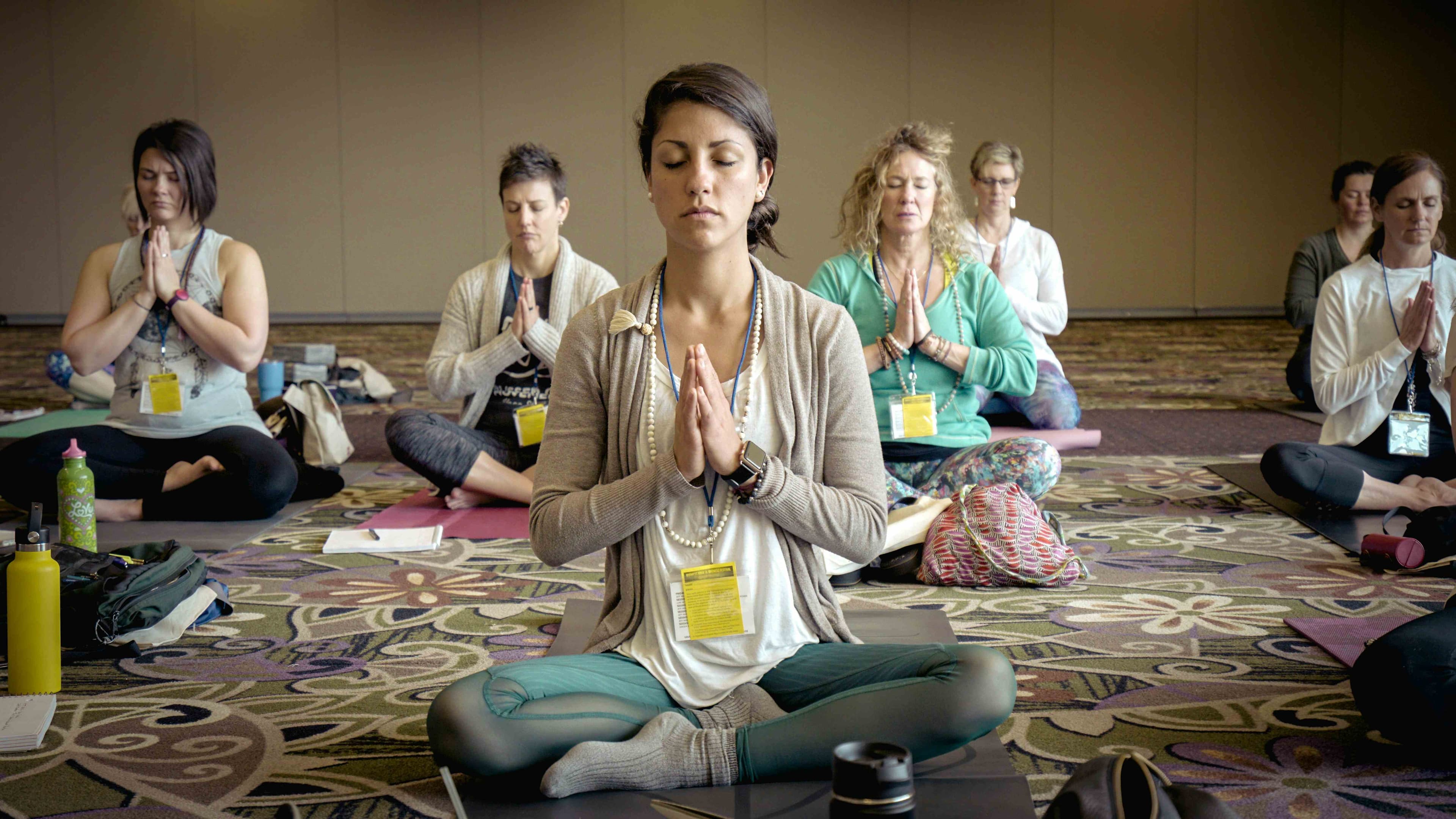
Targeted breathing exercises have shown measurable benefits. Pranayama techniques strengthen respiratory muscles. Lung capacity improves. A randomized controlled trial tracked patients practicing yoga for 3 months. AHI scores dropped compared to a control group. Minimal equipment is needed for these exercises.
Building a Sustainable Fitness Routine at Home
Traveling to a commercial gym is difficult when dealing with fatigue. Creating a personalized workout space solves this problem. Professional-grade equipment at home removes barriers to consistency. Friction is eliminated.
Workouts integrate into your schedule on your own terms with versatile setups. A morning cardiovascular session before work is an option. An evening strength training circuit after dinner is another. The convenience encourages adherence. Adherence produces results.
Low-impact cardio is advisable for beginners. A stationary bike provides an effective workout. A rowing machine avoids the joint stress of running. Resistance training can be introduced later. Cable machines and adjustable dumbbells allow for progressive overload. Multi-functional benches are also useful. Resistance is gradually increased to build strength.
Three to four sessions per week is a realistic starting point. Each session should last 30 to 45 minutes. Consistency matters more than intensity at the beginning. Eight to 12 weeks of commitment produces measurable changes. Body composition and cardiovascular fitness improve.
The Synergy of Medical Intervention and Lifestyle Changes
Medical devices treat the immediate symptoms. The body is protected from the nightly consequences of untreated OSA. Exercise provides long-term structural benefits. Metabolic health improves. The underlying severity of the condition drops. Combining these strategies yields the best outcomes.
A practical framework looks like the following.
Immediate Stabilization: Prescribed respiratory therapy is used nightly. The brain and body receive adequate oxygen. Equipment is maintained to guarantee efficacy.
Progressive Improvement: A structured exercise program addresses weight and muscle tone. Light cardiovascular work is a good starting point. Resistance training is added as energy levels improve.
Continuous Monitoring: Progress is tracked with a healthcare provider. Therapy settings are adjusted as fitness improves. Some patients reduce their CPAP pressure settings under medical supervision.
OSA management is an ongoing process. Sustained commitment is required. Better sleep improves exercise performance. Better exercise improves sleep quality. Progress accelerates once this pattern is established.
Practical Tips for Getting Started
Timing your workouts matters. Vigorous exercise within 2 hours of bedtime raises heart rate. Core temperature also increases. Falling asleep becomes harder. Morning or early afternoon sessions are preferable. Lower-intensity activities like yoga are better for evening exercise.
Airway health is affected by hydration. Dehydration thickens mucus secretions. Nasal congestion worsens. The CPAP machine must work harder. Drinking adequate water supports exercise performance. Respiratory health also benefits.
A sleep diary tracks progress. A wearable device provides useful data. Energy levels, workout duration, and sleep quality are recorded. Patterns emerge. Motivation stays high.
Conclusion
Securing immediate medical support through CPAP therapy protects your nights. Downstream health consequences are prevented. Building a home-based exercise routine addresses physical contributors. Muscle tone improves. Body weight drops. Cardiovascular health strengthens. This combined approach leads to better sleep and improved daytime function.
Trending Now
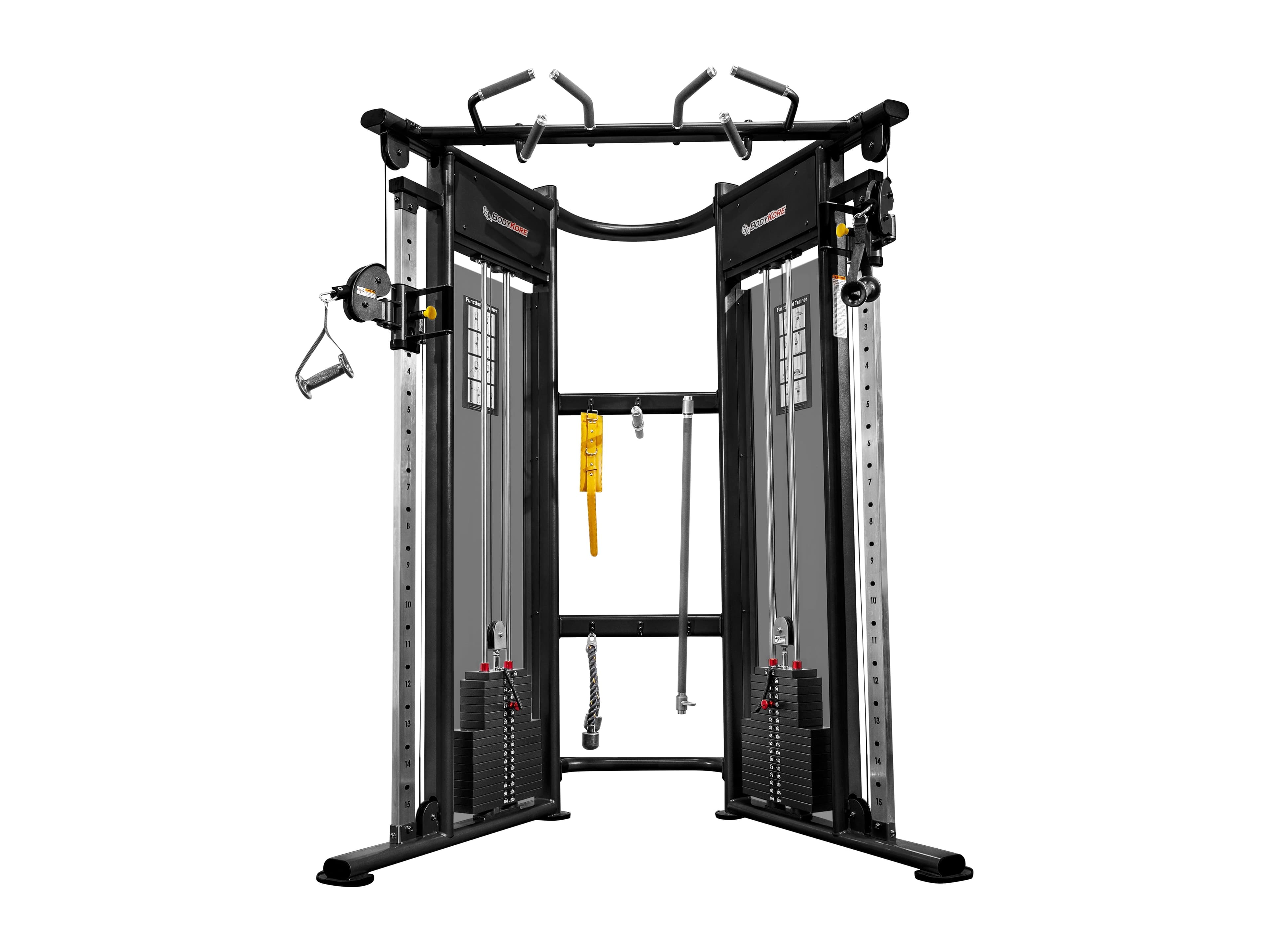
Single Pulley vs Dual Pulley Systems: Which Cable Setup Is Right for You?
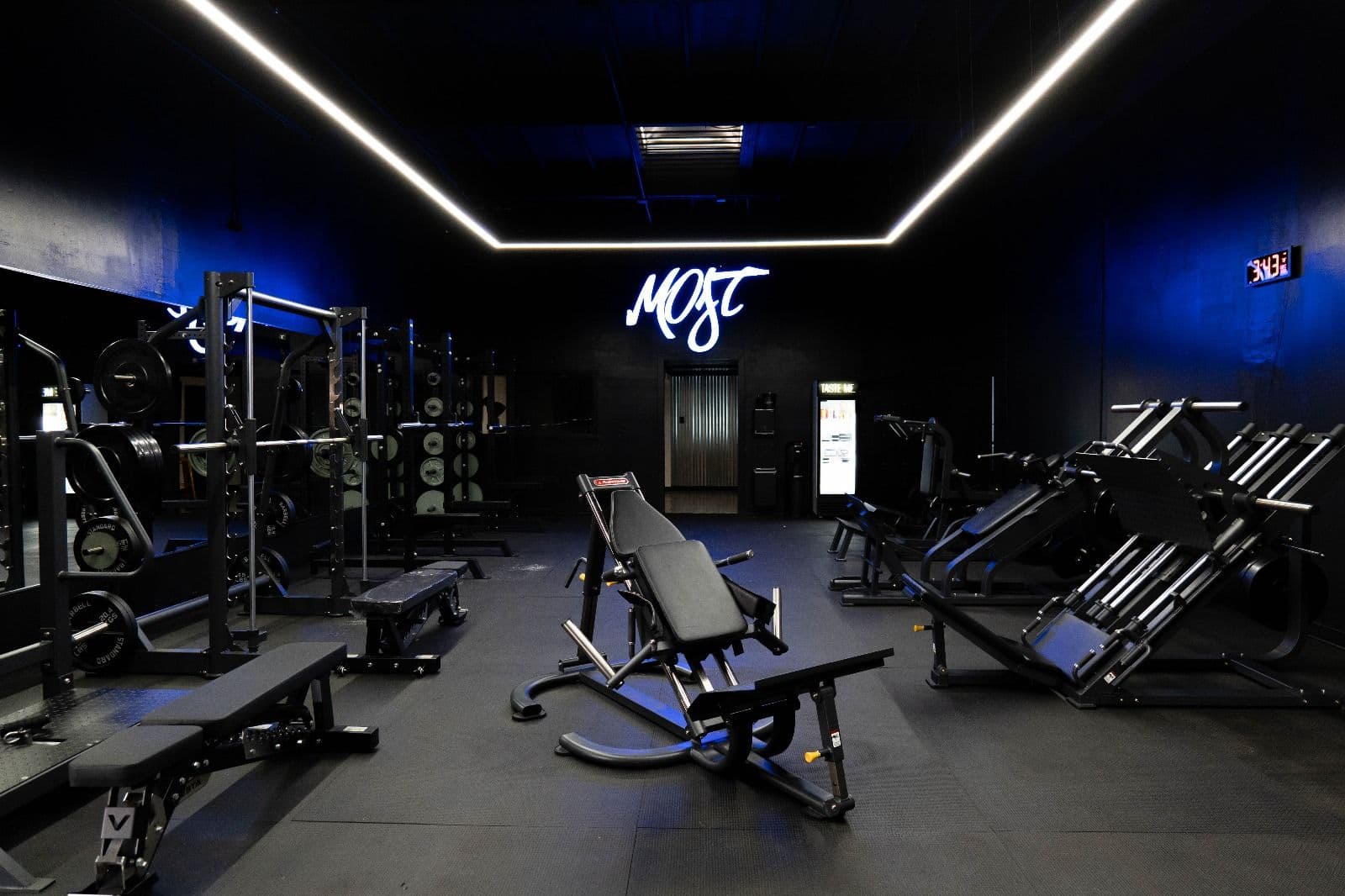
Weight Stack vs Plate-Loaded Cable Machines: A Comparison
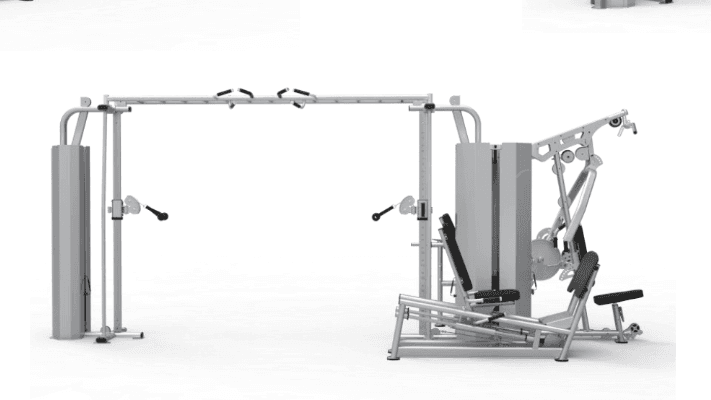
Cable Machines: The Complete Guide
Newsletter
Enter your email and be the first to get the latest blog posts, news, product launches and more from BodyKore.
Stay in the Know
Enter your email and be the first to get the latest blog posts, news, product launches and more from BodyKore.