

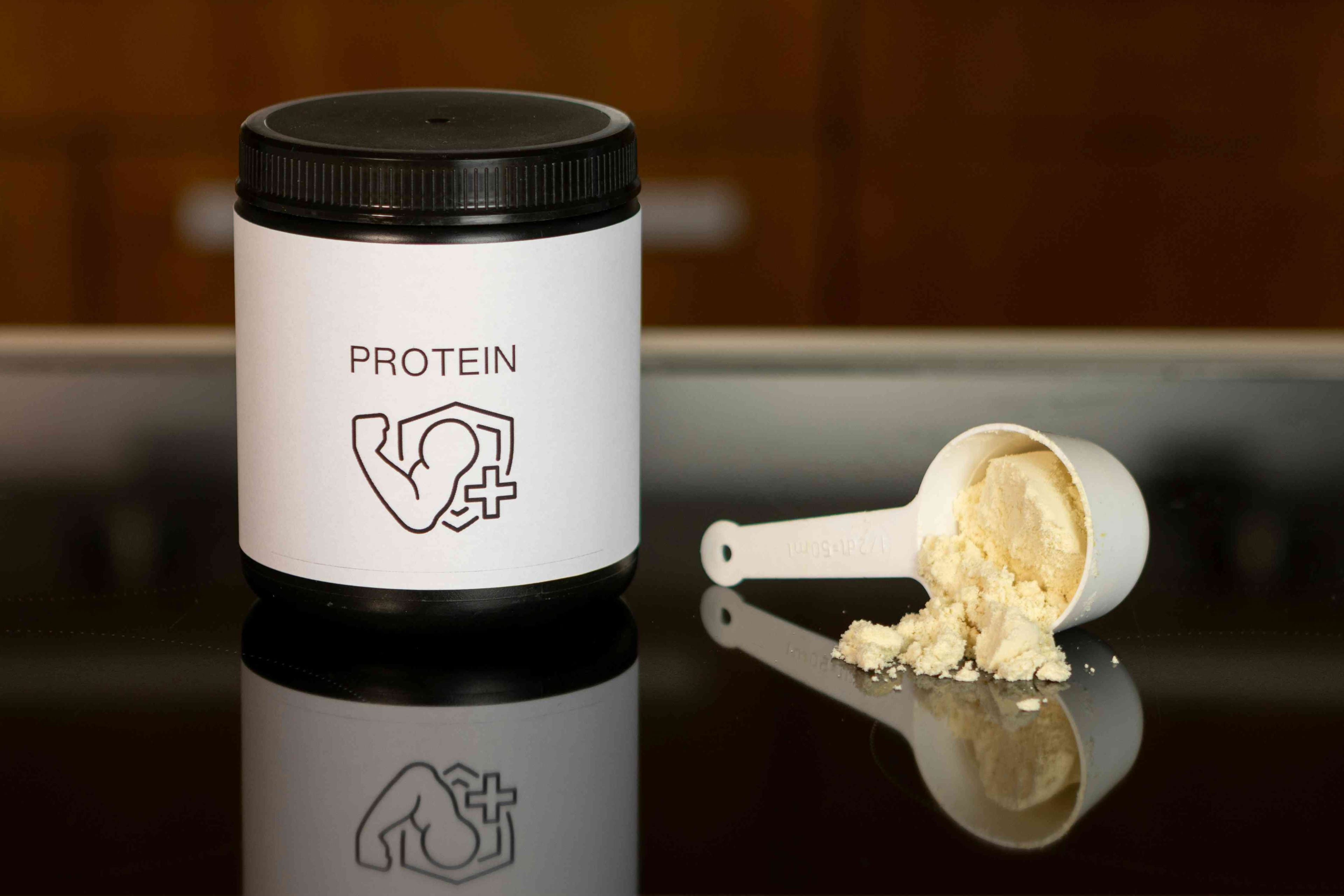
The Quick Rundown
Protein powder works, but only when paired with consistent training and a solid diet.
Most beginners can hit their protein targets through food alone, making supplements optional, not mandatory.
Whey protein is the most researched and widely recommended option for muscle growth; plant-based blends are a solid alternative for vegans or those with dairy sensitivities.
The "anabolic window" (drinking a shake immediately post-workout) is largely a myth; total daily protein intake matters far more than timing.
Beginners exercising regularly need roughly 1.2 to 1.7 grams of protein per kilogram of body weight per day.
Quality matters. Not all protein powders are created equal, and some contain hidden sugars, fillers, or trace heavy metals.
Protein powder is a supplement, meaning it fills gaps. It cannot compensate for poor training or a bad diet.
What You're Really Asking
Walk into any gym, scroll through any fitness account, or Google practically anything about building muscle, and you'll find protein powder somewhere in the conversation. Shakers on benches, sponsored posts, influencers swearing by their preferred brand.
For someone just starting out, the question isn't just "does it work?" It's more like: Do I actually need this? Will it do anything for me at this stage? Am I wasting money if I buy it now?
Those are fair questions. The answers aren't as simple as the supplement industry wants you to believe, but they're also not as murky as skeptics make them sound.
Here's an honest breakdown.
What Protein Powder Actually Is
Protein powder is a concentrated, dried form of protein extracted from either animal sources (primarily cow's milk, in the form of whey or casein) or plant sources (peas, brown rice, soy, hemp, and others). Manufacturers strip away most of the fat, carbohydrates, and water, leaving behind a powder that delivers a high amount of protein per serving with minimal bulk.
A standard scoop typically provides between 20 and 30 grams of protein, depending on the product. That's roughly equivalent to 3 or 4 eggs, a medium chicken breast, or about 100 grams of canned tuna.
The key word there is "equivalent." Protein powder doesn't contain anything magical. It's protein. The same macronutrient your body gets from meat, dairy, legumes, and eggs. What makes powder useful is convenience and concentration, not some unique anabolic property that whole foods don't have.
That point trips up a lot of beginners. They assume the shake is doing something their food can't. It isn't. The body doesn't know the difference between protein that came from a scoop of powder and protein that came from a piece of chicken. Once digested, both are broken down into amino acids and used for the same purposes: muscle repair, hormone production, enzyme function, and dozens of other biological processes.
Does the Science Actually Support Protein Supplementation?
Short answer: yes, with conditions.
A 2018 analysis covering 49 studies found that protein supplementation significantly improved muscle size and strength in healthy adults who regularly performed resistance training. The effects were consistent across both men and women, which is worth noting given how often women are told protein powder is "for bodybuilders."
A separate meta-analysis summarizing 22 studies (680 participants) found that protein supplementation led to meaningfully greater gains in fat-free mass and lower-body strength compared to those not supplementing.
The catch is that phrase "who regularly performed resistance training." Protein powder without consistent, progressive exercise produces very little. A 2010 study frequently cited in fitness circles made it plain: consuming more protein only amplifies results when the training stimulus is already present. Without that, the extra protein either gets burned for energy or stored as fat.
So yes, it works. But it works as part of a system.
The Beginner Advantage Nobody Talks About
Here's something worth understanding before you spend money on supplements: beginners have a physiological edge that more experienced lifters don't.
When you first start lifting or resistance training, your body is highly sensitive to almost any form of training stress. Even modest workouts produce significant muscle growth during the first few months. Researchers sometimes call this "newbie gains," and it's real. Your nervous system is adapting, your muscle fibers are responding, and the whole process is running on overdrive.
This matters for protein powder because beginners tend to see results regardless of whether they supplement. The body is so responsive to training at this stage that a well-structured diet with adequate food-based protein often produces the same results as a diet that includes supplementation.
That doesn't mean powder is useless for beginners. It means the bar for seeing progress is lower, and you shouldn't feel like skipping supplements is holding you back when you're still in those early months.
How Much Protein Do You Actually Need?
This is where most beginner guides either oversimplify or confuse.
The baseline recommendation from the National Institutes of Health is 0.8 grams of protein per kilogram of body weight per day for sedentary adults. For a 70-kilogram (154-pound) person, that comes to about 56 grams daily. Enough to prevent deficiency, but not enough to support muscle growth under regular training.
For people who train regularly, the American College of Sports Medicine and the Food and Nutrition Board recommend 1.2 to 1.7 grams per kilogram per day. At the higher end, a 70-kilogram person would aim for around 119 grams of protein daily.
A useful rule for post-workout protein: aim for 15 to 25 grams within two hours after exercise to support muscle repair and recovery.
One thing that often surprises beginners is the ceiling. A University of Kent study testing three groups at different protein intakes found that 1.4 grams per kilogram was enough to trigger protein synthesis. The group eating 2.4 grams per kilogram didn't see additional gains. More protein beyond a certain threshold doesn't produce more muscle. It just adds calories.
This is why Harvard Health has consistently noted that 20 to 40 grams of protein at a time is the effective range for muscle growth support. Taking several scoops at once doesn't accelerate anything and may actually reduce muscle-building potential by flooding the system with more than it can use efficiently in a short window.
Can You Get Enough Protein From Food Alone?
For most beginners, yes.
A 70-kilogram beginner targeting 1.5 grams per kilogram would need around 105 grams of protein daily. That's achievable through food:
• 3 eggs at breakfast: roughly 18 grams
• 150 grams of Greek yogurt: about 15 grams
• 150 grams of chicken breast at lunch: roughly 45 grams
• 100 grams of lentils at dinner: about 9 grams
• 200 grams of cottage cheese as a snack: roughly 22 grams
Total: approximately 109 grams, without a single scoop of powder.
Mayo Clinic has noted that manufactured supplements are no more effective than whole foods at building lean muscle mass, provided you're eating enough whole foods each day. The food route is often cheaper, naturally includes vitamins and minerals, and comes without the risk of additives.
Where protein powder genuinely earns its place:
• You struggle to eat enough in a day due to a busy schedule or low appetite.
• You follow a plant-based diet and find it difficult to hit protein targets from legumes alone.
• You're in a period of intense training and your protein needs are elevated.
• You want a fast, portable option post-workout when a meal isn't practical.
None of those are universal. They're situational. If your situation doesn't match any of them, whole foods are probably sufficient.
Breaking Down the Types of Protein Powder
Not all protein powders behave the same way in the body. The differences matter, especially once you move past the beginning stage.
Whey Protein
Whey is a byproduct of cheese production. It's a fast-digesting, complete protein, meaning it contains all nine essential amino acids in adequate amounts. It's absorbed within about 60 to 90 minutes, making it popular for post-workout use.
Whey comes in three forms:
• Whey Concentrate: The least processed form, containing around 70 to 80 percent protein with some fat and lactose. It costs less and retains natural bioactive compounds. Good starting point for most beginners.
• Whey Isolate: Filtered more extensively, yielding 90 percent or more protein with nearly all lactose removed. Better for people who are lactose-sensitive and prefer a leaner product.
• Whey Hydrolysate: Pre-digested into smaller peptides for even faster absorption. The most expensive option and largely unnecessary for general use.
For beginners focused on muscle growth, whey concentrate offers the best balance of effectiveness and cost.
Casein Protein
Casein is the other protein found in cow's milk. It forms a slow-digesting gel in the stomach and releases amino acids gradually over five to eight hours. This makes it well-suited for use before sleep, when the body undergoes its most significant muscle repair. It's not the right choice immediately post-workout, but it's a genuinely useful tool for maintaining positive protein balance through the night.
Plant-Based Proteins
Pea, brown rice, hemp, soy, and blends of these are the main options. Single-source plant proteins often fall short on one or more essential amino acids. Pea protein, for example, is low in methionine. Brown rice protein is low in lysine. Combining the two creates a complete amino acid profile comparable to whey.
A 12-week study published in the Journal of the International Society of Sports Medicine found no significant difference in body composition between athletes using pea protein and those using whey after a strength training program. The gap is narrower than supplement marketing would suggest.
For vegans, people with lactose intolerance, or anyone who prefers plant-based nutrition, a pea-and-rice blend is the most practical starting point.
The "Anabolic Window" Myth
If you've read anything about protein powder, you've likely come across warnings about consuming your shake within 30 minutes of finishing a workout. Miss that window, the claim goes, and your gains are wasted.
The research doesn't support this with anything close to the urgency it implies.
Muscle protein synthesis remains elevated for at least 24 hours after resistance training. What matters far more than consuming protein in a specific post-workout window is whether you're hitting your total daily protein target. A 2013 study published in the Journal of the International Society of Sports Nutrition concluded that consuming adequate protein in combination with resistance exercise is the key factor for maximizing muscle protein accumulation, not the specific timing around the workout.
That said, getting some protein within two hours after training is still sensible. Not because missing a 30-minute window is catastrophic, but because eating enough total protein throughout the day becomes easier when you build consistent habits around mealtimes.
What the Research Gets Wrong (Or What Marketing Gets Wrong)
The supplement industry spends a lot of money making protein powder feel like a prerequisite for results. A few things to keep straight:
Protein powder doesn't build muscle. Training does. The powder supplies the raw materials. Your workouts are what trigger the body to use those materials for muscle growth. Without progressive overload and consistent training, extra protein does nothing meaningful.
More is not better. Consuming protein beyond your daily target doesn't accelerate growth. Your body excretes what it doesn't need or converts it to energy (and potentially fat). Studies show that intakes above roughly 2 grams per kilogram of body weight per day offer diminishing returns for most people.
The brand matters less than the ingredients. Two $80 tubs of whey from different brands may contain nearly identical protein. What you're often paying for is flavoring, branding, and marketing. Check the protein content per serving, the ingredient list, and whether the product has been third-party tested.
Safety, Quality, and What to Watch Out For
Protein powder is generally safe for healthy adults when used as directed. The risks, where they exist, are worth understanding.
Added sugars and caloric extras. Some products contain up to 23 grams of added sugar per scoop. Mixed with full-fat milk, a "healthy" shake can exceed 1,200 calories. Check the label before assuming a protein supplement is automatically diet-friendly.
Heavy metals. A 2018 test by the Clean Label Project found detectable concentrations of at least one heavy metal in 133 different protein powders. A 2020 follow-up study found that typical single or triple daily servings didn't exceed safe daily limits, but it's a reason to favor products with third-party testing certifications.
FDA oversight (or the lack of it). Protein powder is classified as a dietary supplement. Unlike prescription drugs, manufacturers are not required to prove safety or efficacy before selling. Third-party testing by organizations like NSF International or Informed Sport provides an independent check on what's actually in the product.
Digestive discomfort. Whey concentrate contains lactose. For people with lactose sensitivity, this can cause bloating, gas, or nausea. Switching to whey isolate (which removes most lactose) or a plant-based option usually resolves the issue.
Who Actually Benefits From Protein Powder as a Beginner
To cut through the noise, here's a practical breakdown of who stands to gain the most:
You'll probably benefit if:
• Your diet is inconsistent and you regularly fall short of your daily protein target.
• You're training four or more times per week and your food intake isn't keeping pace with the demand.
• You follow a plant-based diet and struggle to hit 1.5 grams per kilogram from food alone.
• You have a poor appetite or demanding schedule that makes meals difficult to prepare.
You probably don't need it if:
• You're already eating 3 to 4 balanced meals per day that include animal proteins or diverse legumes.
• You're training fewer than three times a week at a moderate intensity.
• You're within the first 3 months of starting a training program and seeing consistent progress already.
• Budget is a concern and you'd get more value from improving your overall diet.
None of this is absolute. Bodies vary. Schedules vary. The point is that protein powder should be answering a genuine gap, not filling a gap you've been told to worry about by someone trying to sell something.
Practical Tips for Beginners Who Decide to Use It
If you've assessed your situation and protein powder makes sense, a few guidelines worth following:
Start with whey concentrate or a pea-rice blend. Both are well-researched, widely available, and cost-effective. Fancy blends with added BCAAs, digestive enzymes, or adaptogens aren't necessary at this stage.
Aim for one serving per day. One scoop (typically 25 grams of protein) after training or between meals is plenty for most beginners. There's no need for two or three servings unless your overall food intake is genuinely low.
Read the label before you buy. Protein should be the first or second ingredient. Watch for products where sugar or maltodextrin appears near the top of the list. Fewer ingredients is generally better.
Look for third-party tested products. NSF Certified for Sport and Informed Sport are two reliable certifications. They check for label accuracy and screen for banned substances.
Don't use powder as a meal replacement. A scoop of whey mixed in water doesn't replace a meal. You need carbohydrates, fats, fiber, and micronutrients that powder doesn't provide. Treat it as a supplement in the literal sense: something that fills a gap in an otherwise complete diet.
The Bottom Line
Protein powder works. That part isn't complicated. The research supporting its role in muscle growth and recovery is solid, and for people who struggle to meet protein targets through food, it offers a convenient and effective solution.
For most beginners, the real question isn't whether it works but whether you need it right now. If your diet is reasonably good and your training is consistent, you may already be getting everything you need from your meals. Whole food protein and supplemental protein produce the same results when total intake is matched.
That said, if your schedule is chaotic, your appetite is inconsistent, or you follow a plant-based diet, protein powder can bridge the gap without requiring a complete dietary overhaul.
Buy it if it solves a real problem. Train hard regardless. And remember that no amount of powder substitutes for the work done in the gym.
Trending Now
Single Pulley vs Dual Pulley Systems: Which Cable Setup Is Right for You?
Weight Stack vs Plate-Loaded Cable Machines: A Comparison
Cable Machines: The Complete Guide
Newsletter
Enter your email and be the first to get the latest blog posts, news, product launches and more from BodyKore.

Stay in the Know
Enter your email and be the first to get the latest blog posts, news, product launches and more from BodyKore.